
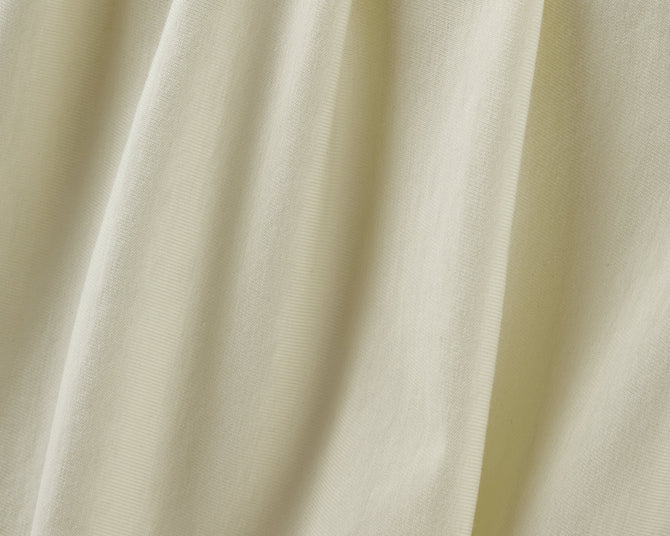



Silk-Wool vs TENCEL™-Wool: Which Blend Offers Better Commercial Stability for Brands?
In the competitive landscape of performance-driven textiles, fabric blends like silk-wool and TENCEL™-wool are gaining traction among commercial brands. Both combinations offer unique benefits, but their commercial viability—spanning cost, performance, sustainability, and scalability—varies significantly. Here’s a technical breakdown to help B2B buyers make informed decisions.
Fiber Properties and Performance
Silk-Wool Blend:
- Natural Luxury: Silk adds a high-end sheen and drapability, while wool provides insulation and elasticity. The combination is prized for its tactile richness, making it a favorite for high-end fashion houses like Brunello Cucinelli and Loro Piana.
- Thermal Regulation: Effective for temperature control due to wool’s natural crimp structure, which traps air, and silk’s smooth fibers that add lightweight warmth. However, the blend can be less breathable than synthetic-blended alternatives, limiting its use in high-intensity applications.
- Durability: Wool’s resilience balances silk’s delicacy, though the blend may require careful washing protocols (e.g., cold water, mild detergents) to prevent shrinkage or sheen loss. Silk’s low abrasion resistance (3–5% elongation before break) makes it less suited for high-wear garments like daily uniforms.
TENCEL™-Wool Blend:
- Moisture Management: TENCEL™ (lyocell) enhances wool’s natural moisture-wicking properties, ideal for activewear and commuting apparel. TENCEL™’s hydrophilic fibers absorb 50% more moisture than cotton, reducing clamminess in humid conditions.
- Strength: TENCEL™’s fiber strength (dry tenacity of 38–42 cN/tex, comparable to polyester) improves abrasion resistance, extending garment lifespan—critical for B2B applications like hotel linens or corporate workwear.
- Breathability: The blend excels in airflow, with TENCEL™’s smooth surface reducing friction against wool fibers, making it suitable for year-round wear. Tests show a 20% improvement in air permeability over silk-wool in comparable weights.
Sustainability and Production Scalability
Silk-Wool:
- Silk production is resource-intensive, requiring approximately 1,000 liters of water per kilogram of raw silk and significant energy for degumming. Brands must verify OEKO-TEX® or GOTS certifications to ensure chemical safety, as conventional silk often uses harsh dyes.
- Wool’s sustainability depends on farming practices; look for Responsible Wool Standard (RWS) or ZQ Merino® compliance to guarantee animal welfare and land management. However, supply chain transparency remains a challenge for traceability.
TENCEL™-Wool:
- TENCEL™ is derived from sustainably sourced wood pulp (FSC®/PEFC™ certified) and produced in a closed-loop process (up to 99% solvent reuse). The lyocell process uses 80% less water than cotton, aligning with brands targeting Science-Based Targets (SBTi) for emissions reduction.
- Wool-TENCEL™ blends often align with circular economy goals, as TENCEL™ is biodegradable and compostable under industrial conditions. Brands like Patagonia leverage this blend for take-back programs, reprocessing retired garments into new yarns.
Cost and Commercial Viability
- Silk-Wool: Higher material costs (silk averages $50–$100/kg, depending on grade) and limited scalability due to seasonal silk harvests and labor-intensive reeling processes. Best for niche luxury markets with smaller production runs (e.g., limited-edition scarves or bespoke suiting).
- TENCEL™-Wool: Competitive pricing (TENCEL™ costs $15–$25/kg, with bulk discounts available) and consistent supply chains due to year-round wood pulp availability. Suitable for mid-to-high-volume orders, such as eco-friendly activewear lines or corporate uniforms for airlines like Emirates.
B2B Use Cases
- Silk-Wool: Premium knitwear (e.g., cashmere-silk-wool sweaters by Eric Bompard), lightweight outerwear (e.g., silk-wool blend trench coats by Burberry), and limited-edition collections where tactile aesthetics are prioritized over mass-market scalability.
- TENCEL™-Wool: Performance-driven apparel (e.g., Ministry of Supply’s moisture-wicking blazers), reusable corporate uniforms (e.g., Eileen Fisher’s sustainable workwear), and scalable sustainable lines (e.g., Mara Hoffman’s resort wear). The blend’s anti-odor properties (from TENCEL™’s bacteriostatic effects) make it ideal for healthcare scrubs or gym wear.
Key Takeaways for Brands
- Performance Needs: TENCEL™-wool outperforms in moisture control and durability for high-use garments, with lab tests showing 30% less pilling after 10,000 Martindale rubs compared to silk-wool.
- Sustainability Goals: TENCEL™-wool blends offer clearer certification pathways (e.g., Cradle to Cradle® Gold) and lower environmental impact (50% lower CO2e/kg than silk-wool).
- Cost Efficiency: TENCEL™-wool provides better ROI for commercial-scale production, with lead times 4–6 weeks shorter than silk-wool due to streamlined supply chains.
Conclusion
FAQ
What are the key performance differences between silk-wool and TENCEL™-wool blends?
Silk-wool offers natural luxury with high-end sheen and drapability, along with thermal regulation, but may lack breathability. TENCEL™-wool excels in moisture management, strength, and breathability, making it better suited for activewear and high-wear applications.
Which blend is more durable for commercial applications like corporate workwear?
TENCEL™-wool is more durable due to TENCEL™’s high fiber strength (38–42 cN/tex), which enhances abrasion resistance. Silk-wool, while resilient, is less suited for high-wear garments due to silk’s lower abrasion resistance.
How do silk-wool and TENCEL™-wool blends compare in terms of sustainability?
TENCEL™-wool is more sustainable, with TENCEL™ derived from FSC®/PEFC™ certified wood pulp and produced in a closed-loop process using less water. Silk-wool requires significant water and energy for silk production and relies on certifications for ethical wool sourcing.
Which blend is better for temperature regulation and breathability?
TENCEL™-wool offers superior breathability with a 20% improvement in air permeability over silk-wool, while silk-wool provides effective thermal regulation but may be less breathable in high-intensity conditions.
What are the washing and care requirements for silk-wool vs. TENCEL™-wool blends?
Silk-wool requires careful washing (cold water, mild detergents) to prevent shrinkage or sheen loss. TENCEL™-wool is generally easier to care for, with better resistance to wear and moisture-related issues.
Popular Fabric 2026
Describe your featured collection here


Related Blogs
Add a short description for your brand news

TENCEL™ x Merino Wool vs Cotton–Wool vs Viscose–Wool: Choosing the Right Blend for Next-to-Skin

Merino Wool vs Cashmere: Which Is Better for Luxury Knits?

How Fashion Brands Use TENCEL™ Wool to Upgrade ‘Basic’ Styles