



Filter and sort 2 products
![HEAT-FLOW fleece knit fabric close-up with edge structure detail for thermal tops and sweatshirts.]()
![HEAT-FLOW fleece knit fabric close-up with soft fleece backing detail for warm hoodies and thermal tops.]()
![HEAT-FLOW fleece knit fabric close-up with folded drape detail for modern cold-weather knitwear.]()

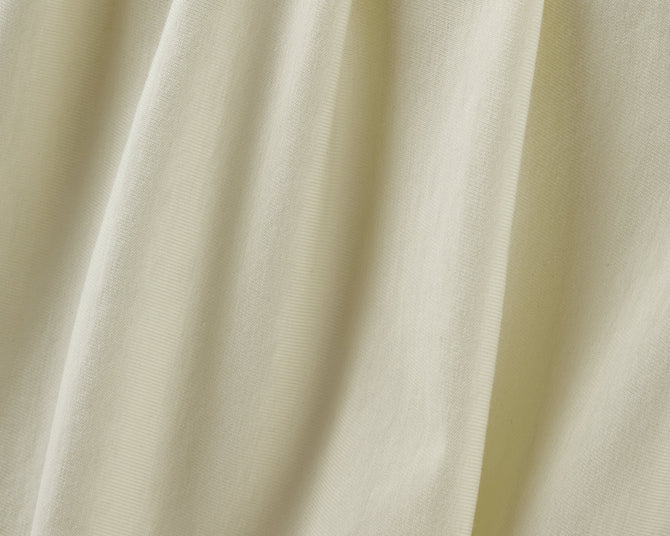
Quick view 6379A Heat-Flow keep warm 400gsm Dhs. 49.00 /![HEAT-FLOW fleece knit fabric close-up with edge structure detail for thermal tops and sweatshirts.]()
![HEAT-FLOW fleece knit fabric close-up with backing fold detail for warm hoodies and thermal tops.]()
![HEAT-FLOW fleece knit fabric close-up with folded stack detail for sweatshirts and cold-weather knitwear.]()

Quick view 6379D Heat-Flow Knitted Fabric 400gsm Dhs. 49.00 /


HEAT-FLOW Fabric FAQ
What is HEAT-FLOW fabric?
HEAT-FLOW is an air-layered fleece fabric that uses a 3D structure to trap warmth while remaining breathable and lightweight.
How is HEAT-FLOW different from traditional fleece?
Traditional fleece relies mainly on thickness, while HEAT-FLOW uses air-layer circulation to balance warmth and breathability.
Is HEAT-FLOW fabric heavy?
No. It delivers warmth with reduced bulk, making it suitable for layering and lightweight garments.
Does HEAT-FLOW overheat easily?
The internal air-flow structure helps regulate temperature, reducing heat buildup during movement.
What garments work best with HEAT-FLOW fabric?
Ideal for knit tops, casual outerwear, hoodies, loungewear, and cold-weather layering pieces.
Is HEAT-FLOW suitable for everyday wear?
Yes. Its balance of comfort, structure, and durability makes it suitable for daily use.
Contact form
Add a short description for this section
 REGEN-TECH
 REGEN-TECH
 REGEN-TECH
 REGEN-TECH
 REGEN-TECHREGEN-TECHREGEN-TECHREGEN-TECHREGEN-TECHREGEN-TECHREGEN-TECHREGEN-TECHREGEN-TECHREGEN-TECHREGEN-TECH
Related Products & Resources
View all HEAT-FLOW Fabric products
Explore fabric specifications and care guides
Read related fabric insights and trend articles
FABRIC TRENDS
Add a short description for your brand news

W27/28 Knit Fabric Directions: Shape, Drape and Surface
A boxy top, a fluid long-sleeve layer and a textured pullover can give an autumn/winter collection three distinct material expressions. For brands developing AW27/28 collections, each offers a different way...

Modal vs Lyocell: How to Choose for Knit Fabric Development
Compare Modal and Lyocell for knit fabric development, from fiber production and hand feel to wet strength, fibrillation, knit construction and end-use. Explore practical fabric routes including Modal Cashmere, Lyocell...

Yarn count, knitting gauge and GSM: what each number tells you
A practical explanation of yarn count, knitting gauge and GSM for fabric development and sourcing teams. Covers count systems, machine needle spacing and finished fabric weight, with examples showing how...

Why Millennials and Gen Z Are Loving Cashmere Blends
An analysis of the shifting consumer demand among Millennials and Gen Z toward circular knit cashmere blends, evaluating performance metrics, product applications, and sustainable sourcing.