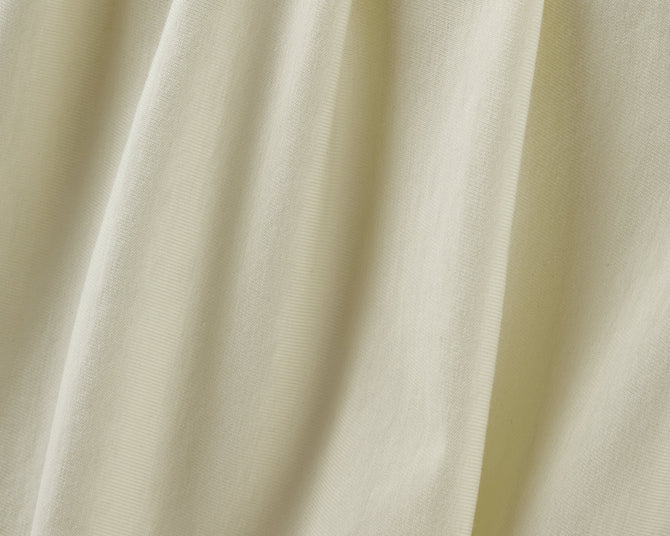
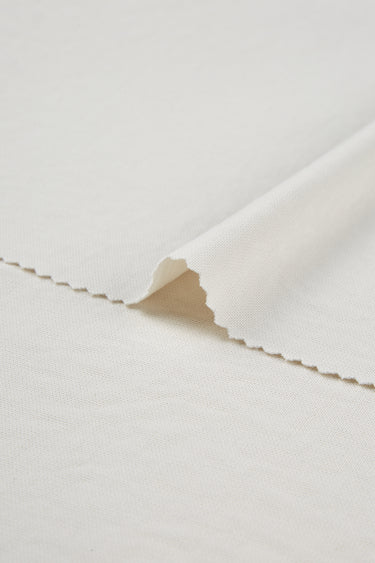
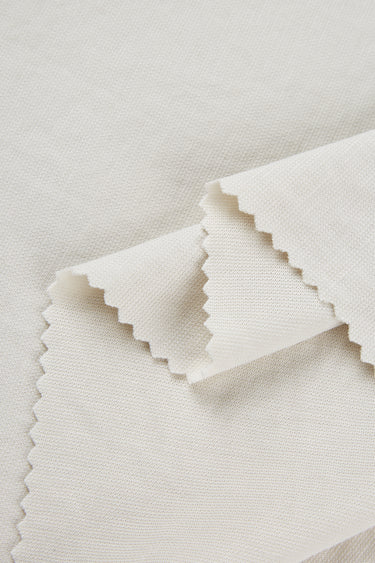
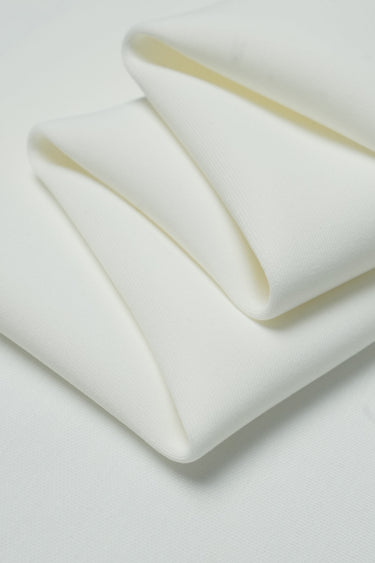
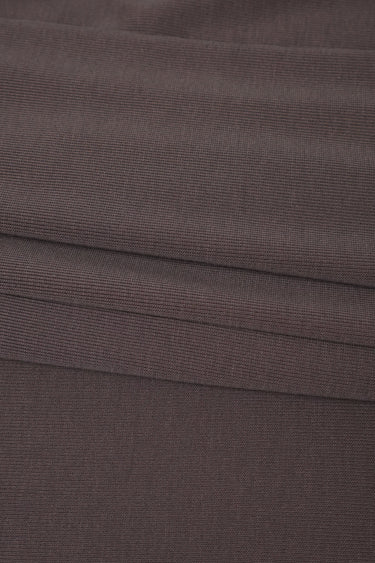
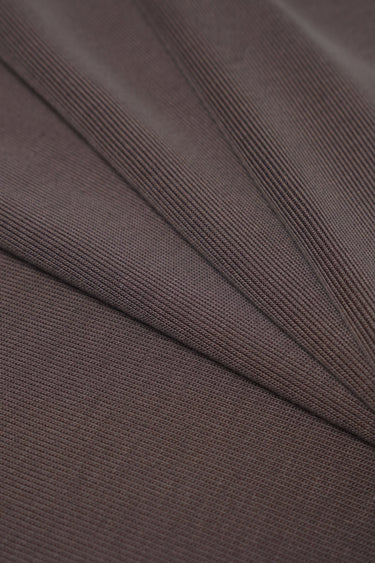
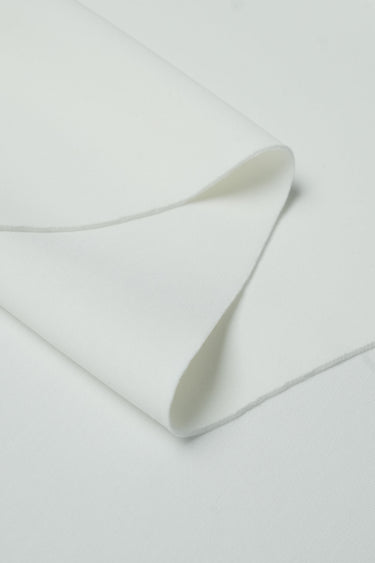
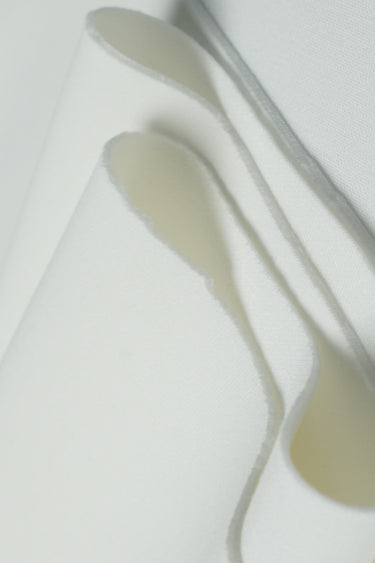
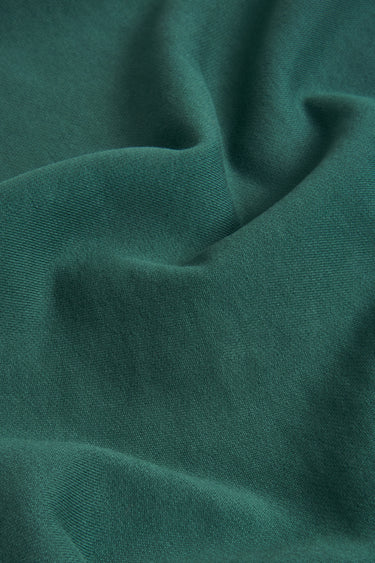
Sandwashing is a mechanical finishing process that softens the fabric surface through controlled abrasion, while preserving the internal knit structure and dimensional stability.
How does Sanrenity fabric differ from brushed fabrics?
Sanrenity fabrics achieve softness through sandwashing rather than fiber lifting, resulting in a cleaner surface appearance with reduced fuzz and improved long-term stability.
Is Sanrenity fabric suitable for everyday wear?
Yes. Sanrenity fabrics are engineered to balance softness, structure, and durability, making them suitable for daily-wear garments that require both comfort and shape retention.
Does Sanrenity fabric lose shape easily?
No. Properly engineered knit structures help Sanrenity fabrics maintain dimensional stability and recovery during regular wear and washing.
Is Sanrenity fabric suitable for warm climates?
Lightweight Sanrenity fabric options perform well in warm-weather applications, offering breathable comfort without excessive bulk.
What garment types work best with Sanrenity fabric?
Sanrenity fabrics are well suited for casual tops, relaxed silhouettes, and structured knitwear where a refined hand feel and stable appearance are required.
An analysis of the shifting consumer demand among Millennials and Gen Z toward circular knit cashmere blends, evaluating performance metrics, product applications, and sustainable sourcing.
An industry analysis of circular knit cashmere blends engineered for everyday luxury, evaluating technical performance metrics, fabric selections, and B2B procurement benefits.
A comprehensive analysis of recycled cashmere blends for AW 2027, detailing technical performance, commercial sourcing strategies, and circular innovations within regen-tech fashion.