



When the brief for an activewear top includes fewer visible sweat marks, the sampling process needs to show how the fabric looks in the intended color after it becomes damp. The chosen material also has to deliver the surface, hand feel and fit that the garment requires.
SweatHide is Regen-tech Fashion's knit fabric series designed to reduce visible sweat marks. Two lightweight, quick-drying polyester options are 26D363B7 in jacquard jersey and 25D741B7 in a Lacoste knit construction. These provide two starting points for developing an activewear top around the desired surface, fit and appearance during use.
Start with the Garment and Its Intended Appearance
Describe where the top will be worn and what you want it to look like during use. A training T-shirt and a top intended for both light activity and everyday wear may call for different silhouettes, surface textures and levels of coverage. Give the sampling team a reference garment or design sketch, together with the intended fit.
Include the proposed colors at this stage. Ask to see how each shortlisted fabric looks when dry and damp in those shades. Keep the desired appearance specific: for example, reduced contrast between a damp area and the surrounding dry fabric. That gives the team an observable target to discuss and compare.
Two SweatHide Knit Fabrics to Compare
These two SweatHide options share a polyester composition and similar weights, while offering different knit constructions.
| Specification | 26D363B7 | 25D741B7 |
|---|---|---|
| Composition | 100% Polyester | 100% Polyester |
| Weight | 130 g/m² | 125 g/m² |
| Construction | Jacquard jersey | Lacoste |
| Width | 155 cm | 185 cm |
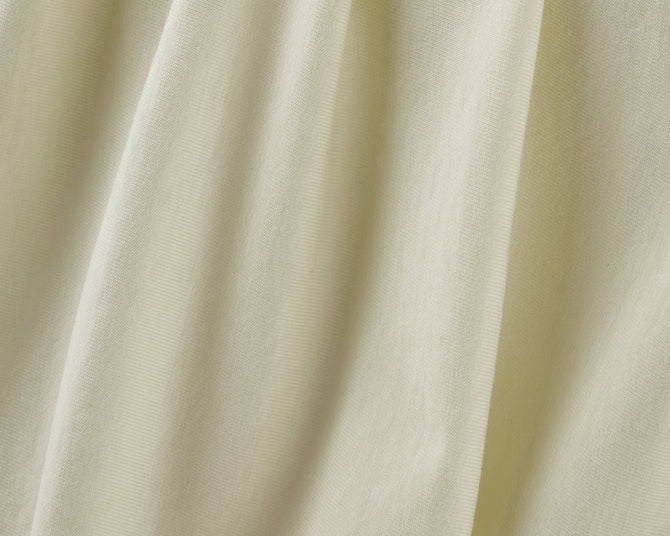
At the swatch stage, compare the surface of the jacquard jersey with the Lacoste construction, then look at how each hangs in the proposed silhouette. Use the samples to assess hand feel and coverage alongside weight; those observations help determine which option suits the finished top.
Article 26D363B7 uses COOLMAX® CloakFX™ technology. The LYCRA Company describes this fiber technology as creating an optical masking effect that helps reduce the visible change when fabric becomes wet. Its technical team also explains that performance depends on the fiber's denier, the construction and how the fiber is used on the fabric face. This makes evaluation of the selected fabric an essential part of development.
Review the Color and Damp Appearance Together
Request a dry reference swatch and a sample for wetting in the same fabric and color. Examine the outward-facing side under consistent lighting. If you are comparing two fabrics, use a comparable shade where possible and agree on the wetting method, amount of liquid and observation times.
Look at the contrast within the damp area and around its edge. Repeat the observation as the sample dries. A useful comparison photograph keeps the dry reference and damp sample in the same frame, with the article number, color and elapsed time recorded. This gives your design and sourcing teams a common reference when discussing the result.
Treat this as a visual development comparison. For a formal performance claim, agree on suitable test conditions and acceptance criteria with the supplier or testing laboratory. A sample that looks less visibly damp may still contain moisture, so assess drying behavior and the feel of the wet fabric separately.
Review each color planned for the collection before approving the fabric selection.
Check the Fabric in the Proposed Garment
Once the color and construction have been shortlisted, make a garment sample in the intended fit. Review the chest, back and underarm areas during movement, including places where the fabric sits against the body. Look at the surface and coverage, then assess whether the damp fabric feels acceptable against the skin.
Include the details that could affect the finished design, such as seams, printed areas and panels cut in different directions. Compare the garment's appearance before and after use under consistent conditions. If the brief includes repeated laundering, agree on the care procedure and the point at which to reassess the sample.
List any additional performance requirements separately. For an outdoor top, this may include a target UPF rating supported by evidence for the selected fabric and relevant color range. For a style with a defined drying requirement, ask for results obtained under the agreed test conditions. This keeps each requirement tied to an assessment your team can use.
Make the Sample Request Specific
A focused brief helps narrow the first round of SweatHide samples. Include:
- The garment type, intended activity and fit, with a sketch or reference if available.
- Target colors and the appearance you want to preserve when the fabric becomes damp.
- Preferred weight, hand feel, surface texture and coverage.
- Any required drying, UV protection or care performance, along with the criteria you will use to assess it.
Share your brief with Regen-tech Fashion to discuss SweatHide samples, including 26D363B7 and 25D741B7. Reviewing the two constructions against the same garment requirements gives your team a practical basis for selecting a fabric and deciding what to verify in the next sample round.