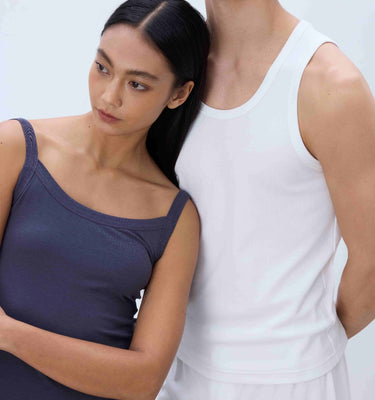
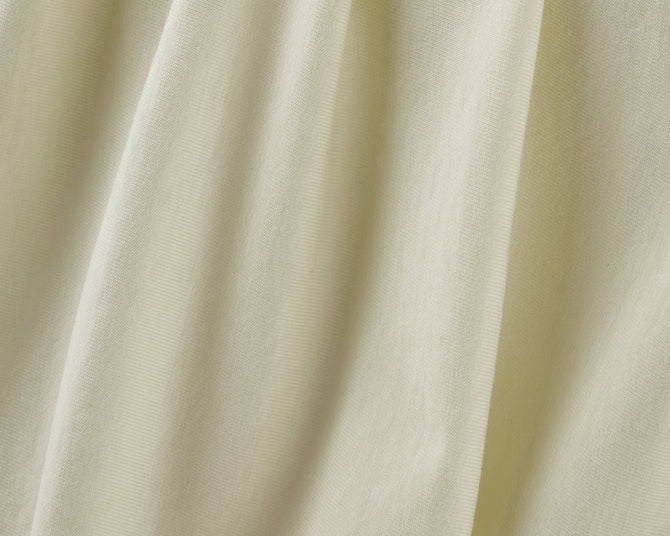



Cotton-viscose knit fabric is a blended knitted fabric that combines the familiar comfort of cotton with the softness, smoothness, and fluid drape of viscose. Also known as viscose rayon, viscose is a regenerated cellulose fiber typically made from wood pulp.
The two fibers complement each other in everyday apparel. Cotton contributes a soft, natural hand feel, moisture absorbency, and a degree of body, while viscose adds a smoother touch, subtle luster, and graceful movement. Together, they create a versatile fabric for T-shirts, fitted tops, dresses, and comfortable casualwear.
Unlike woven fabrics, cotton-viscose knits gain flexibility and mechanical stretch from their interlocking loops. The amount of stretch, recovery, and structure depends on the knitting construction, yarn characteristics, and whether elastane is included.
Key Characteristics of Cotton-Viscose Knit Fabric
- Softness & hand feel: Cotton-viscose blends typically feel smooth, supple, and comfortable against the skin. Viscose can introduce a silkier touch than conventional cotton jersey, making the blend appealing for premium everyday basics and next-to-skin garments.
- Drape & movement: One of the blend's most attractive qualities is its fluid drape. Viscose helps the fabric fall naturally and move with the body, creating relaxed silhouettes and softly flowing garments. Cotton can provide additional body, depending on the blend ratio and construction.
- Breathability & moisture absorbency: Both cotton and viscose absorb moisture, contributing to comfortable everyday wear. In lightweight, breathable knitted constructions, the blend can be particularly suitable for warm-weather tops and layering pieces. Moisture spreading and drying performance also depend on the fabric's construction and finishing.
- Stretch & recovery: Cotton-viscose knits offer mechanical stretch through their knitted structure. Rib constructions generally provide greater widthwise extensibility than comparable plain jersey fabrics. Adding elastane can further improve stretch recovery and help fitted garments maintain their shape.
- Appearance & texture: Depending on the yarn and finishing, cotton-viscose knits can have a smooth, clean surface with a matte to softly lustrous appearance. This understated finish works well for minimalist basics, refined casualwear, and contemporary women's apparel.
- Care & dimensional stability: Like other cellulose-based knits, cotton-viscose fabrics can be susceptible to creasing or dimensional changes during laundering. Appropriate fabric finishing and care instructions help maintain their intended appearance and fit.
How Knit Construction Changes the Fabric
The cotton-viscose blend is only part of the story. Knitting construction significantly influences how the fabric looks, feels, and performs in finished garments.
- Single Jersey: Offers a relatively lightweight, flexible structure with natural drape. Cotton-viscose jersey is well suited to relaxed T-shirts, soft tops, and casual dresses where fluid movement and comfortable hand feel are priorities.
- Rib Knit: Features vertical knitted ribs that allow the fabric to extend comfortably across the body. Cotton-viscose rib fabrics, particularly those incorporating elastane, are useful for fitted long-sleeve tops, tank tops, and other close-fitting styles.
- Interlock & Double Knit: These constructions can provide a fuller hand feel, smoother surfaces, and greater structural stability than lightweight single jersey. They are worth considering when a garment needs more body or a more controlled silhouette.
For apparel developers, selecting the right construction is often as important as choosing the fiber blend itself. A lightweight cotton-viscose jersey and a cotton-viscose-elastane rib can deliver noticeably different garment experiences, even when their primary fiber composition is similar.
Common Apparel Applications
Cotton-viscose knits are particularly useful when brands want to combine everyday comfort with a softer, more refined appearance.
- T-shirts & casual tops: The blend offers an alternative to conventional cotton jersey for brands seeking a smoother touch and more fluid drape. It works particularly well for relaxed tees, soft layering tops, and elevated everyday essentials.
- Fitted tops & tank tops: With a rib construction and added elastane, cotton-viscose fabric can provide comfortable stretch and improved recovery. This makes it suitable for fitted long-sleeve tops, sleeveless basics, and contemporary women's essentials.
- Dresses & tunics: The fabric's natural drape lends itself to softly gathered details, relaxed silhouettes, and comfortable knitted dresses. Depending on weight and construction, it can create fluid movement without requiring a rigid garment structure.
- Loungewear & coordinated sets: Softness and flexible movement make cotton-viscose blends attractive for relaxed tops, lightweight lounge pants, and comfortable matching sets. More substantial constructions can be selected when additional body or coverage is needed.
What Should Apparel Brands Consider When Sourcing?
When selecting cotton-viscose knit fabrics, the ideal blend depends on the intended garment rather than a single preferred fiber ratio.
For a relaxed T-shirt, a soft single jersey with natural drape may be sufficient. For a fitted top, a cotton-viscose-elastane rib can offer a better balance between softness, stretch, and shape retention. Garments requiring more coverage or structure may benefit from a denser or double-knit construction.
Beyond composition, development teams should consider fabric weight, width, surface finish, stretch recovery, and dimensional stability after laundering. Evaluating these properties on actual fabric samples helps ensure that the material supports the intended garment silhouette and production requirements.
Responsible sourcing is another consideration. Cotton sourcing practices and the origin and production of viscose fibers can influence a fabric's environmental profile. Brands can look for traceable raw materials, credible certification, and clear information about fiber production. Branded viscose options with documented sourcing practices, such as EcoCosy® or LENZING™ ECOVERO™, may be relevant depending on the project requirements.
Why Choose Cotton-Viscose Knit Fabric?
Cotton-viscose knit fabric brings together two complementary qualities: the familiar comfort of cotton and the smooth, flowing character of viscose. Its appeal lies in making everyday knitted garments feel softer, more fluid, and visually refined without requiring complicated garment designs.
For apparel brands developing premium basics, fitted tops, dresses, or comfortable casualwear, the blend offers a flexible starting point. By adjusting the fiber ratio, knit construction, and elastane content, developers can create different balances of drape, stretch, and structure to match their collections.
FAQ
What is the typical cotton-to-viscose ratio in cotton-viscose knit fabric, and how does it affect performance?
Cotton-viscose knit fabric commonly uses ratios from 50/50 to 70% cotton and 30% viscose. A higher cotton content increases strength, durability, and absorbency—ideal for structured basics—while more viscose enhances drape, sheen, and softness, making the fabric more fluid and luxurious. Brands can tailor the blend to balance comfort, aesthetics, and functional needs for specific garment types.
How does cotton-viscose knit compare to 100% cotton jersey in terms of drape, stretch, and hand feel?
Cotton-viscose knit offers significantly better drape and a silkier, smoother hand feel than standard 100% cotton jersey due to viscose’s fiber structure. It also provides moderate two-way stretch (20–30% horizontally) with gentler recovery, whereas cotton jersey has minimal stretch and less fluid movement—making cotton-viscose ideal for elevated, body-skimming silhouettes that require both comfort and refined aesthetics.
Is cotton-viscose knit suitable for activewear or high-stretch performance garments?
No—it’s not recommended for high-performance activewear. While it offers comfortable, moderate horizontal stretch, its recovery is only decent (not high), and it lacks the moisture-wicking speed and shape retention of synthetic performance knits like polyester-spandex blends. It excels instead in relaxed-fit, everyday wear where breathability, softness, and elegant drape are priorities.
How should cotton-viscose knit be cared for to maintain its drape, softness, and color integrity?
Machine wash cold on gentle cycle with mild detergent; avoid bleach and high-heat drying. Tumble dry low or air-dry flat to preserve elasticity and prevent shrinkage. Iron with medium heat or steam to refresh drape and reduce wrinkles—its fibers soften further after washing ('fiber bloom'), enhancing comfort over time.
What types of garments are best suited for cotton-viscose knit fabric, and why do designers choose it over other knits?
It’s ideal for draped dresses, elevated tees, tunics, lightweight kimonos, loungewear, and relaxed cardigans—garments where fluid drape, breathable comfort, and a refined matte-to-subtle-lustrous finish matter most. Designers choose it to bridge the gap between casual and polished: softer than cotton jersey, more structured than silk-blends, and more eco-conscious (cellulose-based) than synthetics—perfect for conscious, capsule-oriented collections.
Related Blogs
Add a short description for your brand news

Cotton vs Polyester in Knit Fabrics: Comfort or Structure for Urban Commuterwear?

Blended Knit vs 100% Cotton: Why Engineered Structures Win in Modern Apparel

Nylon vs Polyester for Stretch Knit Fabrics: Which Performs Better in Modern Knitwear?