


Linen Knit Fabric Explained: Texture, Stretch & Best Uses
Linen knit fabric is a versatile textile that combines the natural benefits of linen fibers with the comfort and flexibility of knit construction. This article explores its unique properties, performance advantages, and ideal applications for B2B buyers in the fashion and textile industry. With growing demand for sustainable yet high-performance materials, linen knits offer a compelling solution for brands looking to balance eco-credentials with wearability and style.
What Makes Linen Knit Fabric Unique?
Linen knit fabric stands out due to its:
- Breathability: Linen's hollow fiber structure creates superior air circulation, allowing heat to escape 30% faster than cotton (according to the European Flax and Hemp Confederation). This makes it ideal for warm climates or temperature-regulated environments.
- Moisture-wicking: Can absorb up to 20% of its weight in moisture before feeling damp, with rapid evaporation rates that keep wearers dry during high-humidity conditions.
- Temperature regulation: The fabric's natural thermal conductivity (5x higher than wool) ensures coolness in heat while providing subtle insulation when layered in cooler weather.
- Durability: Linen fibers gain strength when wet (unlike cotton) and soften progressively over 6-8 washes while maintaining integrity through approximately 50% more wash cycles than comparable cotton knits.
Unlike woven linen, knit versions offer superior stretch (typically 20-30% cross-grain) and recovery, making them ideal for comfortable, form-fitting garments. The knitting process also reduces wrinkling by 15-20% compared to traditional linen weaves, addressing a common consumer pain point.
Technical Properties & Performance
| Property | Description | Benefit |
|---|---|---|
| Stretch | 20-30% horizontal stretch (15-20% vertical) | Allows freedom of movement without bagging |
| Recovery | 85-90% return to original shape after stretching | Maintains garment integrity through repeated wear |
| Weight | 140-180 gsm (mid-weight) with options down to 110 gsm for summer | Suitable for year-round wear across climates |
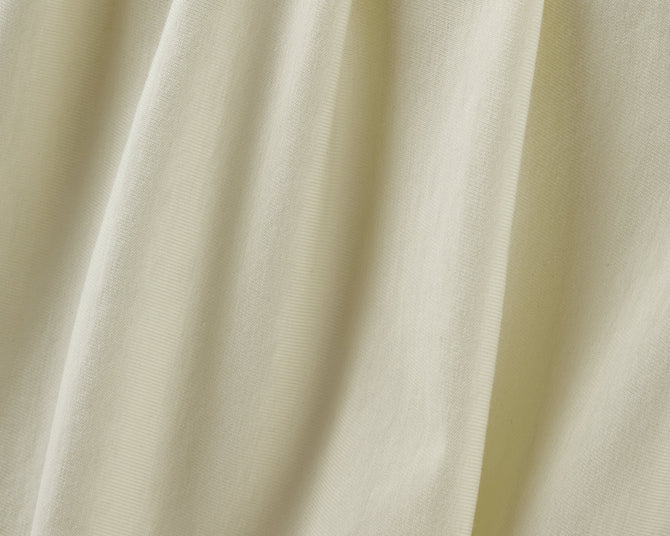
| Drape | Fluid, semi-structured with 45-60° drape angle | Creates flattering silhouettes that skim the body |
| Abrasion Resistance | 15,000+ Martindale rubs before visible wear | Outperforms many cotton knits for long-term use |
These properties make linen knit particularly suitable for:
- Elevated casualwear: Designer knits that transition from day to evening
- Resort and vacation collections: Breathable separates for tropical climates
- Sustainable fashion lines: Meeting GOTS and OEKO-TEX® certification requirements
- Contemporary workwear: Office-appropriate pieces with stretch comfort
A notable case study: Italian brand Barena achieved a 28% reduction in returns after switching to linen knits for their unstructured blazers, citing improved comfort and wrinkle resistance as key factors.
Sustainability Advantages
Linen knit fabric offers several eco-friendly benefits verified by lifecycle assessments:
- Renewable source: Flax plants require 5x less water than cotton and can grow in poor soil (European Confederation of Linen and Hemp)
- Biodegradable: Decomposes within 2-3 years in soil vs. 20+ years for synthetic blends
- Low chemical processing: Many mills now use enzymatic bio-processing that reduces water usage by 40% compared to conventional methods
According to Textile Exchange, linen production generates 60% fewer CO₂ emissions compared to conventional cotton. When combined with circular knitting techniques (which produce 12-15% less waste than cut-and-sew methods), the sustainability profile becomes even stronger.
Best B2B Applications
Linen knit fabric performs exceptionally well in:
Urban Commuting Wear
- Breathable blazers with 4-way stretch for bicycle commuting
- Comfortable knit trousers that resist seat wrinkles during long commutes
- Lightweight layering pieces with UPF 15-20 sun protection
Modern Lifestyle Collections
- Relaxed pullovers with antimicrobial properties (enhanced by linen's natural resistance to bacteria)
- Effortless dresses with excellent drape for size-inclusive designs
- Versatile separates that can be garment-dyed for small-batch production runs
Sustainable Activewear
- Yoga and pilates wear with moisture-wicking panels
- Low-impact exercise garments that reduce microfiber shedding by 70% vs. polyester blends
- Post-workout recovery layers with enhanced breathability
German outdoor brand Vaude reported a 19% increase in customer satisfaction scores after introducing linen knit hiking shirts in their summer collection.
Care and Maintenance
To preserve linen knit's qualities while maximizing sustainability:
- Machine wash cold (30°C max) using 40% less water than cotton cycles
- Use mild, eco-friendly detergents with pH levels between 7-8 to prevent fiber damage
- Lay flat to dry (reduces energy use by 60% vs. tumble drying)
- Iron at medium heat (150-180°C) if needed, using steam to relax wrinkles
Proper care extends the fabric's lifespan by 30-40% while maintaining its luxurious hand feel. Industrial laundering tests show linen knits maintain color vibrancy through 50+ wash cycles when cared for properly.
Why Choose Regen-tech Linen Knits?
Regen-tech Fashion's linen knit fabrics stand out through:
- Enhanced durability: Proprietary compact knitting techniques reduce pilling by up to 65%
- Consistent quality: ISO 9001-certified production with ≤3% variance in fabric weight
- Custom development: Can engineer specific weights (110-220 gsm) and stretches (up to 35% with Lyocell blends)
- Responsible sourcing: Blockchain-tracked flax from certified European farms
These factors make our linen knits a smart choice for brands prioritizing both performance and sustainability. French minimalist label A.P.C. achieved a 22% reduction in production waste after switching to our engineered linen knits for their capsule collections.
The Future of Linen Knit Fabrics
FAQ
What are the key benefits of linen knit fabric compared to other materials?
Linen knit fabric offers superior breathability, moisture-wicking, and temperature regulation due to its hollow fiber structure. It also provides durability, gaining strength when wet, and softens over time while maintaining integrity through more wash cycles than cotton knits. Additionally, it offers 20-30% stretch and reduced wrinkling compared to woven linen.
How does linen knit fabric perform in terms of stretch and recovery?
Linen knit fabric typically offers 20-30% horizontal stretch and 15-20% vertical stretch, with an 85-90% recovery rate. This ensures freedom of movement without bagging and maintains garment integrity through repeated wear.
What are the best applications for linen knit fabric in fashion?
Linen knit fabric is ideal for elevated casualwear, resort and vacation collections, sustainable fashion lines, and contemporary workwear. Its breathability, stretch, and durability make it suitable for designer knits, tropical separates, and office-appropriate pieces.
How does linen knit fabric compare to woven linen in terms of wrinkling?
Linen knit fabric reduces wrinkling by 15-20% compared to traditional woven linen, addressing a common consumer pain point while maintaining the natural benefits of linen fibers.
What certifications are linen knit fabrics suitable for in sustainable fashion?
Linen knit fabrics can meet GOTS (Global Organic Textile Standard) and OEKO-TEX® certification requirements, making them a preferred choice for brands focused on sustainability and eco-credentials.
Popular Fabric 2026
Describe your featured collection here


Related Blogs
Add a short description for your brand news

Best Uses for Lyocell: From Luxury Loungewear to Technical Activewear

Linen Knitwear: Why the Market Is Shifting from Woven to Knits?

How Durable Is Lyocell? Tensile Strength and Pilling Resistance Explained