


Linen-blend knit fabrics can be see-through, but not all of them are. Their transparency depends less on linen content alone and more on fabric color, knit construction, weight, and how the material behaves when worn.
Linen is particularly appealing for summer clothing because of its naturally dry hand feel, breathable character, subtle texture, and relaxed appearance. Blending linen with cotton or lyocell can introduce additional softness, drape, or structure while retaining much of that distinctive linen aesthetic.
For apparel brands developing summer T-shirts, tops, and dresses, the key is finding the right balance between lightweight comfort and the level of coverage the garment needs.
Why Do Some Linen-Blend Knits Look Sheer?
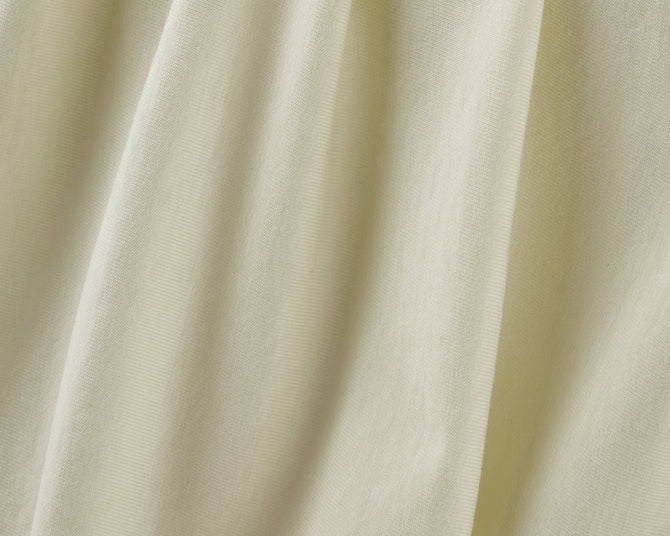
Linen has natural variations in fiber and yarn texture that give fabrics their characteristic slubbed, slightly irregular appearance. These details create visual depth and make linen blends attractive for relaxed summer clothing.
However, natural texture is not the same as transparency. A linen-blend knit may have visible slubs and still provide good coverage.
The more important factor is how closely the yarns and knitted loops are arranged. Lightweight, relatively open constructions allow more light through the spaces between stitches. More compact constructions can reduce these openings and provide greater visual coverage.
This creates an important design choice: a slightly sheer linen-blend fabric may be desirable for an airy layering top, while a standalone everyday T-shirt may need a denser construction.
Four Factors That Affect Linen-Blend Fabric Transparency
1. Fabric Color: Light Shades Often Reveal More
Color can significantly change how transparent the same fabric appears.
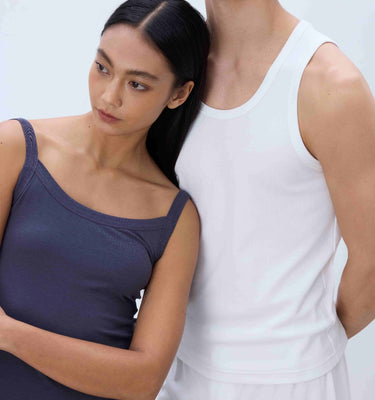
White, ivory, natural ecru, and pale pastel shades may reveal more of the wearer's skin tone or underwear, particularly when the underlying colors contrast with the fabric.
Darker shades, such as navy, charcoal, or black, often provide better visual coverage in an otherwise identical construction.
However, dark colors do not automatically make a fabric opaque. A loosely knitted black jersey can still allow light and underlying shapes to show through.
For summer collections that include both light and dark colorways, evaluating opacity in the actual intended shades is more reliable than judging it from a single sample.
2. Knit Construction: Jersey and Rib Behave Differently
Knit construction influences both the appearance and the coverage of linen-blend fabrics.
- Single Jersey: Popular for summer T-shirts and relaxed tops because of its lightweight feel and natural drape. Fine or relatively open jersey constructions may appear semi-sheer, especially in light colors.
- Rib Knit: Offers distinctive vertical texture and mechanical stretch. A compact rib can provide substantial coverage when relaxed, but its appearance may change as the ribs expand across the body.
- Denser Knit Constructions: More closely packed stitches and certain double-knit constructions can improve coverage, although the resulting fabric may feel more substantial.
For linen blends, construction also influences the way natural texture is presented. A lightweight jersey can emphasize a relaxed, flowing appearance, while a more compact rib can create a defined silhouette.
Neither construction is automatically better. The choice depends on the desired fit, visual effect, and coverage requirements.
3. Fabric Weight: GSM Matters, but It Is Not Everything
Fabric weight, expressed in grams per square meter (GSM), is a useful starting point when comparing linen-blend knits.
Within similar yarn and knitting constructions, increasing fabric weight can often improve coverage because more material occupies the fabric surface.
However, a higher GSM does not guarantee greater opacity.
Two linen-blend fabrics with the same GSM may have different stitch densities, yarn thicknesses, surface textures, and levels of transparency.
For example, a relatively compact lightweight jersey may offer better coverage than a heavier fabric with a more open construction.
For summer garments, simply increasing weight can also change the intended drape, hand feel, and wearing comfort. A more effective approach is to evaluate fabric density alongside weight rather than relying on a particular GSM threshold.
4. Stretch: A Fabric May Become More See-Through When Worn
A linen-blend knit that looks sufficiently opaque on a table may behave differently when stretched over the body.
As knitted loops extend, spaces between yarns can become larger, allowing more of the underlying skin or clothing to become visible.
This is particularly relevant for fitted T-shirts, stretch rib tops, and body-skimming silhouettes.
Adding elastane can improve stretch and recovery, but elastane content alone does not guarantee opacity. Coverage still depends on the overall fabric construction and how much the finished garment stretches during wear.
When selecting fabrics for fitted designs, evaluate them at the expected wearing extension rather than only in their relaxed state.
Choosing Linen-Blend Knits for Different Summer Tops
Transparency does not always need to be eliminated. In some designs, a degree of sheerness contributes to the intended aesthetic.
Relaxed T-Shirts and Boxy Tops
Cotton-linen and lyocell-linen jerseys are appealing choices for relaxed summer silhouettes.
Cotton can contribute a familiar, slightly more structured hand, while lyocell can introduce additional smoothness and fluid drape. Linen adds its natural texture and dry, casual character.
A relaxed fit also reduces the amount of tension placed on the fabric, helping preserve its original coverage.
Lightweight Layering Tops
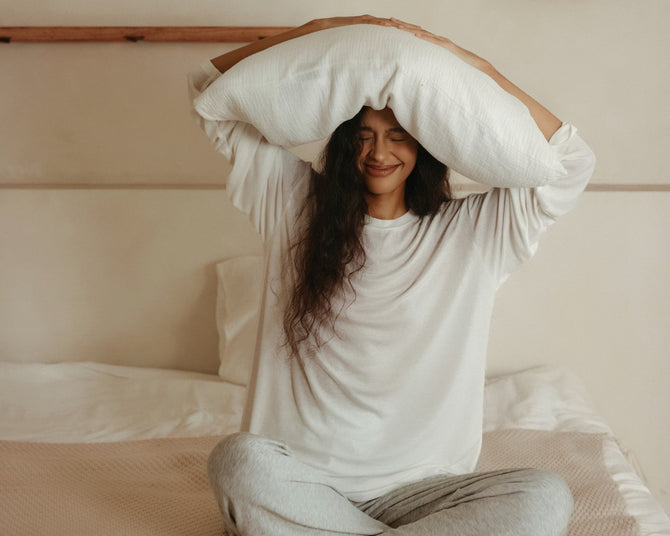
For summer cover-ups, loose long-sleeve tops, and lightweight layering pieces, a semi-sheer linen-blend jersey can be an intentional design feature.
The subtle transparency can complement linen's natural texture, creating an airy, effortless appearance. These garments may be styled over camisoles, tanks, or other lightweight inner layers.
Fitted T-Shirts and Rib Tops
Fitted silhouettes require more attention to stretch-related transparency.
A denser rib construction may be preferable to an open, lightweight jersey, but the actual fabric must still be evaluated under tension.
For light-colored fitted tops, designers should also consider the contrast between the fabric, skin, and intended undergarments.
How to Check Linen-Blend Fabric Opacity Before Production
For apparel developers, a physical fabric sample provides a more useful basis for evaluation than composition and GSM alone.
A practical assessment should include:
- Compare backgrounds: Place the fabric over light, dark, and skin-tone backgrounds to see how much is visible.
- Check different lighting: Examine the fabric in natural daylight and indoor lighting. Holding it against a bright window can reveal light transmission, but does not fully represent its appearance when worn.
- Test realistic stretch: Evaluate fitted styles under the tension expected across the chest, shoulders, and other areas.
- Review finished samples: Assess the actual colorway and garment silhouette, including whether an inner layer is needed.
For collections using pale colors or close-fitting designs, these checks are especially important before approving a fabric for bulk production.
Finding the Right Balance Between Breathability and Coverage
Linen-blend knit fabrics offer more than lightweight summer comfort. Their natural slubs, dry touch, subtle creasing, and relaxed visual character can give even a simple T-shirt a distinctive material identity.
The goal is not necessarily to choose the heaviest or most opaque fabric. It is to find a construction that preserves the desired linen aesthetic while delivering appropriate coverage for the garment.
A lightweight linen-blend jersey may be ideal for a loose summer top, while a more compact knit may better suit a fitted T-shirt intended to be worn on its own.
Ultimately, the best linen-blend fabric is one that balances texture, drape, breathability, and opacity in the finished garment—not just on the fabric specification sheet.
FAQ
Are linen-blend knit fabrics see-through?
Generally, no—most commercial linen-blend knits (180–280 gsm) are opaque due to their medium weight, coarse linen fibers, and tightly constructed knit structures like single-jersey or interlock. Ultra-lightweight versions (<160 gsm) or openwork variants may require lining for full coverage.
What makes linen-blend knits more opaque than other lightweight knits?
Linen fibers are naturally bulky and stiff, producing less sheer yarns than fine synthetics or high-count cotton. Blending with TENCEL™ or cotton enhances yarn cohesion, while stable knit constructions minimize gaps between loops—boosting opacity without sacrificing breathability.
How does fabric weight (GSM) affect transparency in linen-blend knits?
Transparency risk rises significantly below 140 gsm for single-knit jerseys. Linen-blend knits are typically engineered at 180–280 gsm—well above this threshold—ensuring reliable opacity. Buyers should verify GSM specs and request strike-off samples for ultra-light variants (<160 gsm).
Do linen-blend knits require lining in apparel applications?
Most styles—including tees, tunics, dresses, and skirts—do not need lining thanks to their inherent opacity and structure. However, ultra-lightweight or intentionally open-knit designs (e.g., summer layering pieces) may benefit from contrast underlays, mesh-backed panels, or strategic seam placement to ensure coverage.
How do I select the right linen-blend knit for a specific garment type?
Choose 180–220 gsm for fluid tops and relaxed shirts; 220–260 gsm for structured dresses and skirts needing shape retention; and avoid <160 gsm unless designing for intentional layering. Prioritize tighter-looped constructions (e.g., interlock over loose jersey) for opacity-critical applications like sleeveless styles or light-colored garments.
Related Blogs
Add a short description for your brand news

Why Designers Love Linen Blends: Cotton-Linen / TENCEL™-Linen / Wool-Linen

TENCEL™ × Merino Wool Blend Fabric: Why It Feels Cooler Than You’d Expect

Linen Knitwear: Why the Market Is Shifting from Woven to Knits?