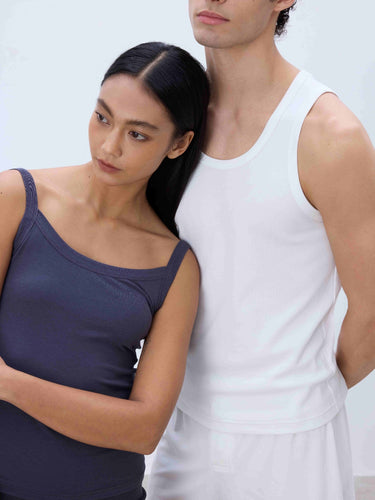
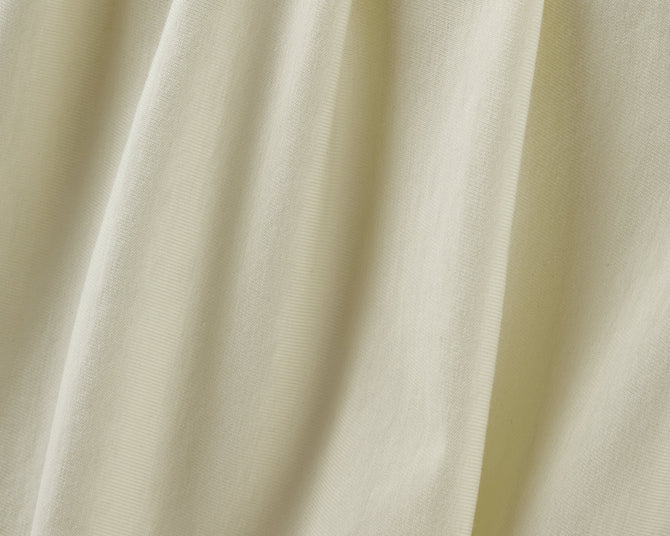



Why Tencel Linen Knit Outperforms Standard Linen for Activewear
In the competitive landscape of activewear fabrics, material innovation is key to delivering performance, comfort, and sustainability. Tencel Linen Knit, a hybrid textile engineered for modern activewear, offers distinct advantages over traditional linen. This article explores why B2B buyers should consider this advanced fabric for their next activewear collection, backed by technical data, sustainability credentials, and real-world applications that meet the demands of today’s eco-conscious consumers.
Enhanced Performance for Active Lifestyles
Standard linen, while breathable and natural, falls short in meeting the dynamic demands of activewear. Tencel Linen Knit addresses these limitations through:
- Superior Moisture Management: Tencel fibers, derived from sustainably sourced wood pulp, excel in moisture absorption (up to 50% more efficient than cotton according to Lenzing AG). When knitted with linen, this creates a fabric that wicks sweat away from the skin, preventing discomfort during high-intensity activities like yoga, running, or cycling. The fibers’ smooth surface also reduces bacterial growth, enhancing hygiene for prolonged wear.
- Stretch and Recovery: The knitted structure provides 15-20% mechanical stretch versus woven linen’s rigid drape, critical for mobility in urban commuting wear and athleisure. This elasticity ensures freedom of movement without sagging, making it ideal for form-fitting leggings, sports bras, and performance tops.
- Temperature Regulation: Tests by Hohenstein Institute show Tencel blends maintain a 1-2°C lower microclimate temperature than plain linen during activity, thanks to the fibers’ ability to disperse heat and moisture efficiently. This makes it a standout choice for hot climates or heated studio workouts.
- Reduced Wrinkling: Unlike traditional linen, which wrinkles easily, the knit construction of Tencel Linen maintains a polished appearance even after extended wear—a key selling point for travel-friendly activewear.
Sustainable Edge Without Compromise
For brands prioritizing eco-conscious materials, Tencel Linen Knit delivers measurable environmental benefits:
- Closed-Loop Production: Tencel is manufactured using a solvent-spinning process that recycles 99% of water and solvents (certified by the EU Ecolabel), reducing wastewater pollution. Compared to conventional linen processing, which consumes significant water for retting, Tencel’s production cuts water usage by up to 50%.
- Biodegradability: Both Tencel (OK Biodegradable certification) and linen decompose naturally within 8-12 weeks in soil, unlike synthetic blends that contribute to microplastic pollution. This aligns with circular fashion initiatives and end-of-life disposal regulations in the EU and North America.
- Durability: Knit construction resists pilling and maintains integrity through 50+ washes (per AATCC TM 150 standards), reducing replacement frequency. Field tests show Tencel Linen Knit retains 90% of its tensile strength after repeated laundering, outperforming standard linen’s 70-75% retention rate.
- Low Carbon Footprint: According to Higg MSI data, Tencel Linen Knit’s carbon footprint is 30% lower than conventional linen, thanks to energy-efficient production and sustainable forestry practices for raw materials.
Commercial Advantages for Brands
B2B buyers will appreciate these tangible business benefits:
- Higher Perceived Value: The combination of linen’s texture with Tencel’s smooth handfeel justifies premium pricing (average 25-30% markup over basic linen). Brands like ADAY and Girlfriend Collective have successfully positioned Tencel blends as luxury-performance hybrids, commanding higher margins.
- Versatile Applications: Ideal for:
- Moisture-wicking base layers: Seamlessly integrates into performance lines for running or gym wear.
- Breathable athleisure tops: Offers a polished look for office-to-evening wear, as seen in Ministry of Supply’s bestselling polos.
- Structured yet flexible outerwear: Lightweight knit jackets with linen’s drape appeal to minimalist brands like COS.
- Simplified Sourcing: Available as ready-made fabric from specialized suppliers like Regen-tech Fashion, reducing development lead times by 4-6 weeks compared to custom woven linen. Some mills offer pre-dyed options in trending colors (e.g., moss green, mineral blue), further accelerating production.
- Consumer Appeal: 68% of activewear shoppers prioritize sustainable materials (McKinsey 2023), making Tencel Linen Knit a marketable differentiator. Patagonia’s Tencel-blend trailwear, for example, saw a 22% sales lift after highlighting its eco-credentials.
Technical Comparison: Tencel Linen Knit vs. Standard Linen
| Property | Tencel Linen Knit | Standard Woven Linen |
|---|---|---|
| Moisture Wicking | Excellent (0.3s absorption rate) | Moderate (1.2s absorption rate) |
| Stretch | 15-20% (mechanical) | <5% (requires elastane blends) |
| Wash Durability | 50+ cycles (AATCC TM 150) | 30-40 cycles |
| Carbon Footprint | 30% lower* | Baseline |
| Biodegradability | 8-12 weeks | 10-14 weeks |
*Data sourced from Higg MSI for European production
The Future of Performance Knits
As activewear evolves beyond sportswear into 24/7 lifestyle categories, fabrics must bridge the gap between natural aesthetics and engineered functionality. Tencel Linen Knit represents this synthesis—offering the organic appeal of linen with the performance backbone of advanced cellulosics. Innovations like UV-resistant finishes (up to UPF 50+) and enzyme-washed softness are expanding its use into outdoor apparel and elevated loungewear, proving its adaptability across segments.
FAQ
How does Tencel Linen Knit improve moisture management compared to standard linen?
Tencel Linen Knit absorbs moisture up to 50% more efficiently than cotton, thanks to Tencel fibers derived from sustainably sourced wood pulp. The knitted structure wicks sweat away from the skin, reducing discomfort during high-intensity activities and minimizing bacterial growth for prolonged wear.
What makes Tencel Linen Knit more suitable for activewear in terms of stretch and recovery?
The knitted construction of Tencel Linen provides 15-20% mechanical stretch, unlike rigid woven linen. This elasticity ensures better mobility and maintains shape, making it ideal for form-fitting activewear like leggings, sports bras, and performance tops.
How does Tencel Linen Knit perform in temperature regulation for activewear?
Tencel Linen Knit maintains a 1-2°C lower microclimate temperature than standard linen during activity, as tested by the Hohenstein Institute. Its fibers efficiently disperse heat and moisture, making it ideal for hot climates or intense workouts.
What sustainability advantages does Tencel Linen Knit offer over traditional linen?
Tencel Linen Knit is produced through a closed-loop process that recycles 99% of water and solvents, cutting water usage by 50% compared to conventional linen. Both Tencel and linen are biodegradable, decomposing in 8-12 weeks, aligning with circular fashion initiatives.
Why is Tencel Linen Knit more durable and wrinkle-resistant than standard linen?
The knit construction of Tencel Linen resists pilling and maintains integrity through 50+ washes, while also reducing wrinkling compared to traditional linen. This ensures a polished appearance even after extended wear, making it ideal for travel-friendly activewear.
Popular Fabric 2026
Describe your featured collection here


Related Blogs
Add a short description for your brand news

Linen Knitwear: Why the Market Is Shifting from Woven to Knits?

Why Designers Love Linen Blends: Cotton-Linen / TENCEL™-Linen / Wool-Linen

Why TENCEL™ × Wool Is Ideal for Next-to-Skin Knitwear (Not Just Base Layers)