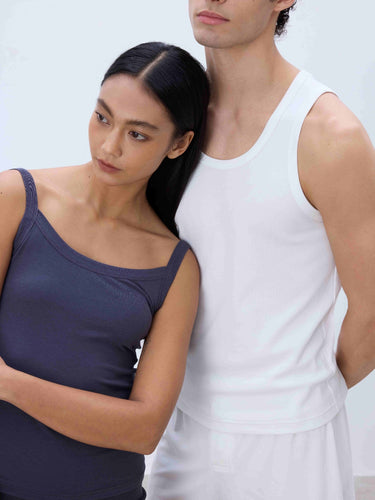
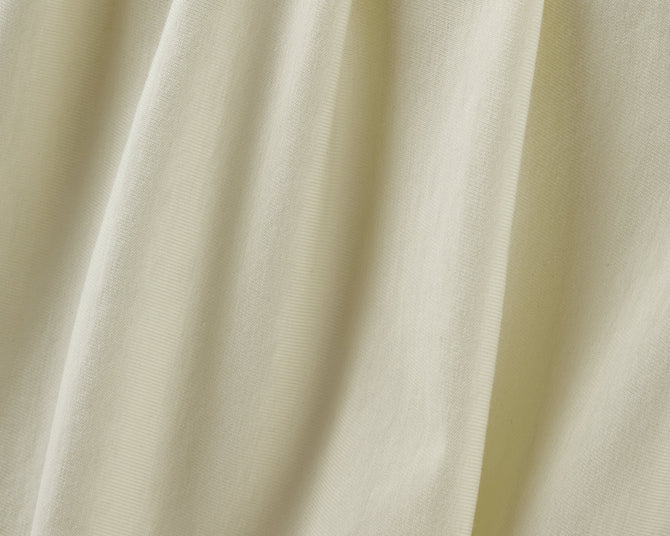



How to Choose a Tencel Wool Knit Fabric Manufacturer for Your Brand
Selecting the right manufacturer for Tencel wool knit fabrics requires a deep understanding of fabric structure, performance, and application suitability. Here’s a systematic approach to evaluating potential suppliers and ensuring the fabric aligns with your brand’s needs.
1. Analyzing Fabric Structure: Fiber, Yarn, and Knitting Organization
Tencel wool knit fabrics derive their properties from three key structural components:
- Fiber Composition: A blend of Tencel (lyocell) and wool combines the moisture-wicking, breathability, and softness of Tencel with wool’s natural insulation and elasticity. Tencel, produced by Lenzing AG, is sourced from sustainable wood pulp and certified by organizations like FSC and OEKO-TEX® for eco-friendly production.
- Yarn Structure: Engineered yarns, such as core-spun or twisted varieties, enhance durability and elasticity. For instance, a wool-Tencel core-spun yarn with elastane can improve stretch recovery.
- Knitting Organization: The knit structure (e.g., jersey, rib, or interlock) determines properties like drape, elasticity, and breathability. A rib knit, for example, offers superior vertical stretch for fitted garments.
These structural choices directly influence the fabric’s performance, making it critical to partner with a manufacturer that understands material synergies.
2. Core Properties and How They’re Achieved
Tencel wool knits excel in:
- Elasticity: Achieved through yarn engineering (e.g., elastane blends) and knit structures like 1x1 rib.
- Breathability: The hygroscopic nature of Tencel and wool’s natural air pockets facilitate moisture management.
- Support: Tight knit constructions (e.g., double knits) provide structural integrity for activewear.
- Wrinkle Resistance: Wool’s natural resilience, combined with Tencel’s smooth fiber surface, reduces creasing.
These properties are not accidental but the result of deliberate material and structural choices.
3. Application Scenarios and Problem-Solving
Tencel wool knits address specific challenges in various use cases:
- Urban Commuting: Breathability and wrinkle resistance keep wearers comfortable during long days, while the fabric’s polished texture suits professional settings.
- Athleisure: Elasticity and moisture-wicking support moderate activity, blending performance with style.
- Outdoor Layering: Wool’s insulation and Tencel’s quick-drying properties make the fabric ideal for transitional weather.
4. Procurement Considerations: Matching Fabrics to Customer Needs
Buyers should evaluate manufacturers based on:
- Fiber Traceability: Ensure suppliers use certified Tencel and ethically sourced wool.
- Customization Capabilities: Can the manufacturer adjust yarn blends or knit structures for specific needs?
- Minimum Order Quantities (MOQs): Suitable for startups or established brands?
This fabric is ideal for brands targeting eco-conscious consumers, performance-driven apparel, or versatile lifestyle collections.
5. Regen-tech Fashion’s Solution-Oriented Approach
Regen-tech Fashion stands out by:
- Offering structurally engineered knits that prioritize function without compromising aesthetics.
- Providing custom development to align with brand-specific requirements, from yarn selection to finishing.
- Ensuring sustainability through certified materials and efficient production processes.
Conclusion
Choosing a Tencel wool knit manufacturer hinges on technical expertise, sustainability commitments, and adaptability to your brand’s vision. By prioritizing structured fabric analysis and application-driven design, brands can leverage these knits for high-performance, sustainable apparel. Regen-tech Fashion’s focus on innovation and customization makes it a strategic partner for brands seeking technically advanced solutions.
FAQ
What are the key structural components of Tencel wool knit fabrics?
Tencel wool knit fabrics consist of fiber composition (a blend of Tencel and wool for moisture-wicking, breathability, and insulation), yarn structure (engineered for durability and elasticity, such as core-spun or twisted varieties), and knitting organization (e.g., jersey, rib, or interlock, which affects drape, elasticity, and breathability).
How does Tencel wool knit fabric achieve properties like elasticity and breathability?
Elasticity is achieved through yarn engineering (e.g., elastane blends) and knit structures like 1x1 rib. Breathability comes from the hygroscopic nature of Tencel and wool’s natural air pockets, which facilitate moisture management.
What are some common applications for Tencel wool knit fabrics?
Tencel wool knits are suitable for urban commuting (breathability and wrinkle resistance), athleisure (elasticity and moisture-wicking), and outdoor layering (wool’s insulation and Tencel’s quick-drying properties).
What should buyers consider when evaluating Tencel wool knit fabric manufacturers?
Buyers should assess fiber traceability (certified Tencel and ethically sourced wool), customization capabilities (adjusting yarn blends or knit structures), and minimum order quantities (MOQs) to match their brand’s needs.
Why is fiber traceability important when choosing a Tencel wool knit fabric manufacturer?
Fiber traceability ensures the use of certified Tencel (from sustainable wood pulp) and ethically sourced wool, which aligns with eco-friendly production standards and meets consumer demand for sustainable textiles.
Popular Fabric 2026
Describe your featured collection here


Related Blogs
Add a short description for your brand news

TENCEL™ × Wool Fabric GSM Guide: How to Choose 140g, 160g, or 200g for Different Garments

Why TENCEL™ × Wool Is Ideal for Next-to-Skin Knitwear (Not Just Base Layers)

How Fashion Brands Use TENCEL™ Wool to Upgrade ‘Basic’ Styles