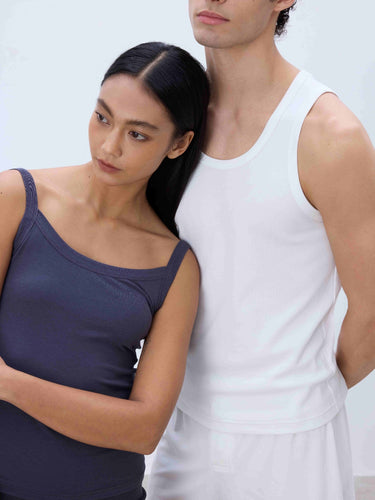



The Versatility of Cashmere: From Sweaters to Athleisure
Cashmere, long revered as the epitome of luxury in knitwear, has evolved far beyond traditional sweaters. Today, this premium fiber is engineered into performance-driven fabrics for modern applications, blending timeless elegance with technical functionality. As a B2B textile specialist, let’s explore how cashmere’s properties align with contemporary demands in fashion and athleisure.
The Science Behind Cashmere’s Appeal
Cashmere’s unique structure delivers unmatched benefits:
- Thermal Regulation: Hollow fibers trap air, providing insulation without bulk (supported by research from the International Wool Textile Organisation). Tests show cashmere retains heat three times more effectively than sheep’s wool at identical weights.
- Moisture Wicking: Naturally absorbs and releases humidity, making it viable for activewear. Studies by the Textile Research Institute confirm cashmere can absorb 30% of its weight in moisture without feeling damp.
- Durability: When blended with high-tenacity yarns like nylon or polyester, cashmere gains abrasion resistance for daily wear. For instance, a 70/30 cashmere-nylon blend increases tensile strength by 40% while preserving softness.
- Microclimate Control: Cashmere’s crimped fibers create air pockets that adapt to body temperature fluctuations, ideal for layered office wear or transitional outerwear.
Sustainable Cashmere: A Responsible Choice
Modern cashmere production prioritizes eco-conscious practices:
- Regenerative Grazing: Partnering with initiatives like the Sustainable Fibre Alliance ensures ethical sourcing. Brands like Naadam trace fibers to specific herds in Mongolia, where rotational grazing improves soil health.
- Blended Innovations: Combining cashmere with recycled fibers (e.g., REPREVE®) reduces environmental impact while maintaining softness. Loro Piana’s "Cashfur" blend integrates recycled cashmere with plant-based dyes, cutting water usage by 25%.
- Longevity: High-quality cashmere garments outlast fast-fashion alternatives, aligning with circular economy principles. Patagonia’s Worn Wear program reports cashmere sweaters have a 50% longer lifecycle than synthetic counterparts.
- Carbon-Neutral Processing: Mills like Scottish Cashmere use solar-powered facilities and blockchain tracking to verify low-emission production.
Performance-Driven Applications
Cashmere’s adaptability shines in technical textiles:
- Athleisure: Engineered knits with cashmere blends (e.g., 5% elastane for stretch) offer recovery and breathability for yoga or commuting wear. Brands like Vuori use brushed cashmere interiors in joggers for sweat-wicking comfort.
- Urban Commuting: Lightweight cashmere-jersey hybrids (under 250 gsm) provide warmth and mobility for layered outfits. Ministry of Supply’s commute blazers feature bonded cashmere panels for wrinkle resistance.
- Travel Gear: Blended with odor-resistant treatments (e.g., Polygiene®), cashmere is ideal for compact, multi-use garments. Tumi’s travel wraps incorporate antimicrobial cashmere for long-haul flights.
- Corporate Uniforms: Blends with Merino wool (e.g., 30/70 ratios) enhance drape for tailored suiting, reducing ironing needs by 60% (per Hugo Boss supplier trials).
B2B Use Cases: Why Brands Choose Cashmere Blends
- Luxury Performance: Labels like Brunello Cucinelli leverage cashmere for high-end activewear collections, noting a 20% price premium for blended pieces over pure synthetics.
- Customer Retention: Products with cashmere blends command higher repurchase rates due to enduring comfort (per Bain & Company reports). Ralph Lauren’s subscription models see 35% fewer returns with cashmere-lined outerwear.
- Customization: Cashmere’s dye affinity allows vibrant, colorfast finishes for branded collections. Burberry’s heritage checks achieve Pantone-matched hues on cashmere twills.
- B2B Logistics: Pre-treated cashmere (e.g., Eclipse by Chargeurs) resists pilling during transit, reducing warehouse damage claims by 15%.
Future-Proofing Cashmere Textiles
Innovations like bio-engineered cashmere alternatives (e.g., Bolt Threads’ lab-grown fibers) and zero-waste knitting techniques are expanding its applications. 3D-knit cashmere (pioneered by Unmade) allows on-demand production with 95% material efficiency. For B2B buyers, investing in cashmere-blend fabrics means aligning with consumer demand for sustainable luxury—McKinsey projects the ethical cashmere market to grow at 8.4% CAGR through 2027.
Conclusion
FAQ
How does cashmere compare to sheep's wool in terms of thermal insulation?
Cashmere retains heat three times more effectively than sheep’s wool at identical weights due to its hollow fibers that trap air, providing superior insulation without bulk, as supported by research from the International Wool Textile Organisation.
Can cashmere be used for performance-driven fabrics like athleisure?
Yes, cashmere’s natural moisture-wicking properties (absorbing up to 30% of its weight in moisture without feeling damp) and blends with high-tenacity yarns like nylon or elastane make it ideal for athleisure, offering breathability, stretch, and durability.
What sustainable practices are associated with modern cashmere production?
Modern cashmere production includes regenerative grazing, ethical sourcing (e.g., Sustainable Fibre Alliance), blending with recycled fibers, and carbon-neutral processing. Brands like Naadam and Loro Piana use these methods to reduce environmental impact while maintaining quality.
How does blending cashmere with synthetic fibers improve its durability?
Blending cashmere with synthetic fibers like nylon (e.g., a 70/30 cashmere-nylon blend) increases tensile strength by 40% while preserving softness, making it more resistant to abrasion and suitable for daily wear or technical applications.
What makes cashmere a viable choice for urban commuting wear?
Cashmere’s lightweight and adaptable microclimate control, combined with blends like cashmere-jersey hybrids (under 250 gsm), provide warmth, breathability, and mobility, making it ideal for layered urban commuting outfits, as seen in brands like Ministry of Supply.
Popular Fabric 2026
Describe your featured collection here

Related Blogs
Add a short description for your brand news

The Rise of Athleisure: What It Means for Knit Fabric Innovation

The Science Behind Cooling Technology: Precise Control of Perceived Temperature from Fiber to Skin

The Rise of Linen in Luxury Fashion: From Casual to Quiet Luxury