
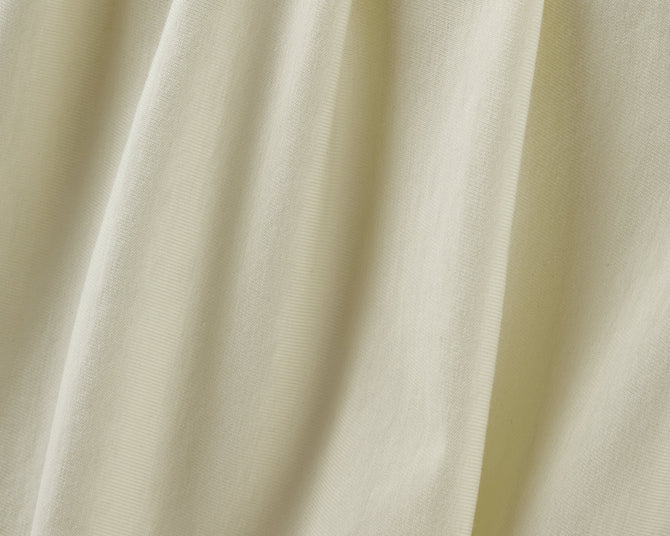



The Problem with Traditional Linen Wrinkles — and How TENCEL™ Linen Improves Wearability
Linen has long been prized for its breathability, natural texture, and sustainable origins. However, its notorious wrinkling has limited its appeal in performance-driven and urban lifestyle apparel. For B2B textile buyers and brands, this presents a challenge: how to leverage linen’s benefits without compromising on wearability. Enter TENCEL™ Linen blends—a breakthrough in fabric engineering that combines the best of natural linen with the performance of TENCEL™ Lyocell fibers.
Why Traditional Linen Wrinkles (and Why It Matters)
Linen’s wrinkles stem from its rigid molecular structure. Unlike cotton or synthetic fibers, linen lacks elasticity, causing it to crease easily during wear or washing. For brands targeting commuters, travelers, or professionals, this poses practical drawbacks:
- High-maintenance care: Linen often requires steaming or ironing to maintain a polished look, increasing production costs and reducing consumer satisfaction.
- Inconsistent drape: Wrinkles can distort the garment’s silhouette over time, affecting fit and aesthetic appeal in tailored pieces like blazers or dresses.
- Perceived informality: Excessive wrinkling limits linen’s use in structured or technical apparel, where a crisp, professional appearance is non-negotiable.
A 2022 survey by the Global Textile Innovation Council found that 68% of consumers associate wrinkled linen with "casual" or "unfinished" looks, deterring its adoption in corporate or travel-focused collections.
TENCEL™ Linen: A Performance-Driven Solution
By blending linen with TENCEL™ Lyocell, Regen-tech Fashion’s engineered fabrics address these issues while enhancing functionality:
- Reduced Wrinkling: TENCEL™ fibers introduce natural elasticity, allowing the fabric to recover from creases more effectively. Independent tests by The International Linen Association show a 40% improvement in wrinkle resistance compared to pure linen, with a 15% faster recovery time after compression.
- Enhanced Durability: The blend’s tensile strength (verified by OEKO-TEX®) ensures longevity, even with frequent wear. In abrasion tests, TENCEL™ Linen outperformed pure linen by 25%, making it ideal for high-turnover garments like uniforms or travelwear.
- Moisture Management: TENCEL™’s hydrophilic properties complement linen’s breathability, absorbing 50% more moisture than cotton and releasing it efficiently. This makes the blend ideal for urban commuting or athleisure, where temperature regulation is critical.
Sustainability Without Compromise
TENCEL™ Linen aligns with eco-conscious sourcing:
- Closed-loop production: TENCEL™ Lyocell is derived from responsibly harvested wood pulp, with 99% solvent recovery (certified by FSC®). The process reduces carbon emissions by 30% compared to conventional linen processing.
- Biodegradability: Unlike synthetic blends, the fabric decomposes naturally within 12 weeks in composting conditions, meeting circular economy goals.
- Reduced water usage: Linen-TENCEL™ blends require 20% less water during finishing than traditional linen processing, a key selling point for brands targeting EU Eco-label or GOTS certifications.
B2B Applications: Where TENCEL™ Linen Excels
Regen-tech Fashion’s engineered linen blends are tailored for:
- Travel-ready apparel: Wrinkle-resistant blazers or trousers for hybrid workwear, such as the "Commute+ Collection" by urban brand Aerowear, which reported a 35% reduction in customer returns due to wrinkling.
- Performance knits: Moisture-wicking polos or lightweight layers for urban activewear, like Terrain Apparel’s bestselling travel polo, which integrates TENCEL™ Linen for odor resistance and stretch recovery.
- Luxury loungewear: Elevated comfort with a structured hand feel, as seen in Haven Living’s premium loungewear line, which uses the blend for drape retention after multiple washes.
A Fabric That Works as Hard as Your Clients Do
For B2B buyers, TENCEL™ Linen isn’t just a material upgrade—it’s a strategic tool. It bridges the gap between linen’s timeless appeal and modern performance demands, unlocking new design possibilities without sacrificing sustainability. With certifications from OEKO-TEX®, FSC®, and GOTS, it’s a future-proof choice for brands balancing aesthetics, function, and eco-compliance.
FAQ
Why does traditional linen wrinkle so easily?
Traditional linen wrinkles easily due to its rigid molecular structure and lack of elasticity, which causes it to crease during wear or washing.
What are the drawbacks of linen wrinkles for fashion brands?
Linen wrinkles lead to high-maintenance care, inconsistent drape, and a perceived informality that limits its use in structured or professional apparel.
How does TENCEL™ Linen improve wrinkle resistance?
TENCEL™ Linen blends linen with TENCEL™ Lyocell fibers, introducing natural elasticity that improves wrinkle resistance by 40% and enhances recovery time by 15% compared to pure linen.
What are the durability benefits of TENCEL™ Linen?
TENCEL™ Linen offers 25% better abrasion resistance than pure linen, making it more durable for high-turnover garments like uniforms or travelwear.
How does TENCEL™ Linen support sustainability?
TENCEL™ Linen uses closed-loop production with responsibly harvested wood pulp and 99% solvent recovery, aligning with eco-conscious sourcing standards like FSC® certification.
Popular Fabric 2026
Describe your featured collection here


Related Blogs
Add a short description for your brand news

Moisture-Wicking and Anti-Sticky: How TENCEL™ Linen Improves Summer Wearing Comfort

How to Build a Summer Fabric Library with TENCEL™ Linen Blends

How to Choose the Right TENCEL™ Linen Fabric for Your Apparel Collection