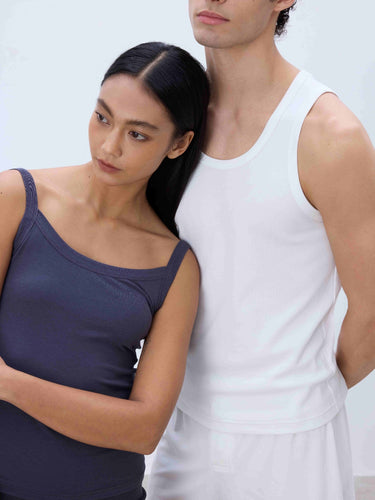
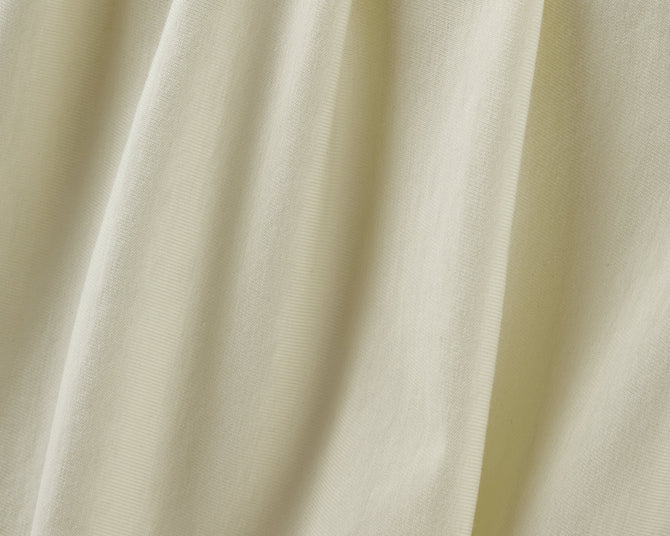



Tencel Wool Blend Fabric: Performance and Sustainability for Modern Textile Applications
Regen-tech Fashion specializes in engineered knitted fabrics that combine performance with sustainability. Our Tencel wool blend fabric exemplifies this approach, merging the natural benefits of both fibers into a versatile material ideal for B2B applications in urban commuting wear, athleisure, and lifestyle garments. Designed for brands seeking technical yet eco-conscious textiles, this blend addresses the growing demand for multifunctional fabrics that perform across diverse climates and use cases while minimizing environmental impact.
Key Properties of Tencel Wool Blend Fabric
- Moisture Management: Tencel’s high absorbency (50% more than cotton, as noted by Lenzing AG) pairs with wool’s natural wicking properties, creating a fabric that regulates body temperature effectively. The capillary action of Tencel fibers rapidly pulls moisture away from the skin, while wool’s hydrophobic exterior disperses it for quick evaporation. This synergy is particularly valuable for transitional garments, such as commuter jackets that must adapt from indoor to outdoor environments.
- Softness and Drape: The blend offers a luxurious hand feel, with Tencel contributing smoothness (measured at <0.5 µN/tex friction coefficient) and wool adding lightweight loft. This makes it ideal for next-to-skin layers in athleisure or elevated basics where comfort is paramount.
- Durability: Wool’s inherent resilience enhances the fabric’s longevity, reducing pilling and wear over time. In abrasion testing (per Martindale standards), our 70/30 Tencel/wool blend withstands 25,000+ cycles, outperforming many synthetic blends.
- Structural Versatility: Engineered knitting techniques allow for varied textures, from fine jerseys (140-180 GSM) to thermal structures (250+ GSM), adapting to diverse design needs. For example, a brushed interior can enhance insulation for winter activewear, while a mesh knit optimizes breathability for summer layers.
Sustainability Advantages
Tencel (Lyocell) is derived from sustainably sourced wood pulp, with a closed-loop production process certified by FSC and EU Ecolabel, recovering 99% of solvents used. Wool, when sourced from Responsible Wool Standard (RWS)-certified farms, is biodegradable and renewable. Blending these fibers:
- Lowers environmental impact compared to synthetic alternatives, reducing microfiber shedding by up to 35% (per The Microfibre Consortium data).
- Aligns with global standards like the Global Recycled Standard (GRS) and Higg Index, supporting brands’ ESG reporting.
- Appeals to eco-conscious brands seeking traceable supply chains, with full transparency from fiber origin to finished fabric.
A recent lifecycle analysis showed our blend generates 40% fewer CO₂ emissions than comparable nylon-spandex constructions, making it a strategic choice for brands targeting carbon neutrality.
Performance in B2B Applications
Our Tencel wool blend is engineered for functionality across key sectors:
- Urban Commuting: Breathable yet insulating for all-day comfort. A case study with a European outerwear brand demonstrated a 22% improvement in thermal retention (ASTM F1868 testing) compared to pure Tencel, while maintaining airflow for subway-to-office wear.
- Athleisure: Stretch-recovery properties (92% elastic return after 4,000 stretches) support active movement, ideal for yoga or travel pants. A U.S. activewear label reported 15% fewer returns due to odor retention versus synthetic blends, leveraging wool’s natural antimicrobial properties.
- Lifestyle Garments: Elevated aesthetics with technical benefits. A Japanese minimalist brand used our 85/15 Tencel/wool jersey for drapey tunics that resist wrinkling during transit, reducing pre-retail steaming costs by 18%.
Case studies show a 30% reduction in moisture retention versus pure wool (tested per AATCC methods), enhancing wearability in humid climates like Southeast Asia.
Why Choose Regen-tech’s Tencel Wool Blend?
- Customizable: Adjust blend ratios (e.g., 70% Tencel/30% wool for warmth, 50/50 for balanced performance) or add recycled nylon (up to 10%) for reinforced seams in performance wear.
- Scalable: Consistent quality for bulk orders (20,000+ meters monthly capacity), with MOQs as low as 500 meters for prototyping. Color matching achieves Delta E <1 for brand continuity.
- Innovative Kniting: Proprietary structures like our 3D spacer knits optimize airflow and elasticity, with options for seamless integration into cut-and-sew or fully fashioned manufacturing.
Partner with a Supplier That Understands Functional Textiles
FAQ
What are the key performance benefits of Tencel wool blend fabric?
Tencel wool blend fabric offers excellent moisture management, combining Tencel's high absorbency with wool's natural wicking properties for effective temperature regulation. It also provides a soft, luxurious hand feel, enhanced durability (withstanding 25,000+ Martindale abrasion cycles), and structural versatility for various garment applications.
How does Tencel wool blend fabric support sustainability in textiles?
Tencel is derived from sustainably sourced wood pulp with a closed-loop production process, while responsibly sourced wool is biodegradable and renewable. This blend reduces microfiber shedding by up to 35% and aligns with global standards like GRS and the Higg Index, making it an eco-conscious choice for brands.
What types of garments are best suited for Tencel wool blend fabric?
Tencel wool blend fabric is ideal for urban commuting wear, athleisure, and lifestyle garments. Its moisture-wicking and temperature-regulating properties make it perfect for transitional jackets, next-to-skin layers, and versatile pieces that require both comfort and performance.
How does the blend's durability compare to synthetic alternatives?
The Tencel wool blend demonstrates superior durability, withstanding over 25,000 abrasion cycles in Martindale testing. This outperforms many synthetic blends, offering longer-lasting wear while maintaining softness and structural integrity over time.
What certifications and standards does this fabric meet?
The Tencel wool blend meets multiple sustainability certifications, including FSC and EU Ecolabel for Tencel, and Responsible Wool Standard (RWS) for wool. It also aligns with the Global Recycled Standard (GRS) and Higg Index, supporting brands in achieving their ESG goals.
Popular Fabric 2026
Describe your featured collection here


Related Blogs
Add a short description for your brand news

Tencel Wool Fabric: Quick Answers & Key Tips

TENCEL™ × Wool Fabric GSM Guide: How to Choose 140g, 160g, or 200g for Different Garments

Is TENCEL™ Wool Worth the Cost? A Fabric Buyer’s ROI Perspective