


Tencel Linen vs Rayon: A Comprehensive Guide for B2B Textile Buyers
When selecting fabrics for performance-driven apparel, understanding the differences between Tencel Linen and Rayon is crucial. Both materials offer unique benefits, but their structural properties, sustainability profiles, and end-use applications vary significantly. This guide breaks down the key distinctions to help textile professionals make informed sourcing decisions, whether for high-performance activewear, sustainable fashion lines, or cost-effective basics.
Fiber Origins and Sustainability
Tencel Linen (Lyocell):
- Derived from sustainably harvested wood pulp (often eucalyptus or beech) grown in FSC®-certified forests, ensuring minimal ecosystem disruption
- Produced via closed-loop process (up to 99% solvent recovery), with water consumption reduced by 50% compared to conventional cotton
- Certified biodegradable by organizations like TÜV Austria, breaking down within 8 weeks in industrial composting conditions
- OEKO-TEX® Standard 100 compliant for low chemical impact, making it ideal for sensitive skin applications
- Lenzing’s Eco Color technology allows dyeing with 50% less water and energy versus traditional methods
Rayon (Viscose):
- Traditionally made from bamboo or wood pulp, though sourcing transparency varies widely by supplier
- Conventional production uses carbon disulfide (a potential environmental and worker health concern), with newer technologies like REFIBRA™ reducing chemical usage by 30%
- "Eco-rayon" variants (e.g., Ecovero™) improve sustainability with 50% lower emissions and water impact
- Requires verification of FSC® or CanopyStyle certification to ensure no ancient or endangered forests are used
- Some rayon variants now incorporate recycled content (up to 20%) without compromising fiber integrity
Performance Comparison
| Property | Tencel Linen | Rayon |
|---|---|---|
| Moisture Wicking | Excellent (absorbs 50% more moisture than cotton) | Good (but loses 15-20% effectiveness when wet) |
| Breathability | High (microscopic fibrils enhance airflow) | Moderate (denser fiber structure) |
| Durability | Strong (30% higher tensile strength wet or dry) | Moderate (loses up to 40% strength when wet) |
| Pilling Resistance | High (fibrillated surface resists friction) | Low-Medium (shorter fibers prone to fuzz) |
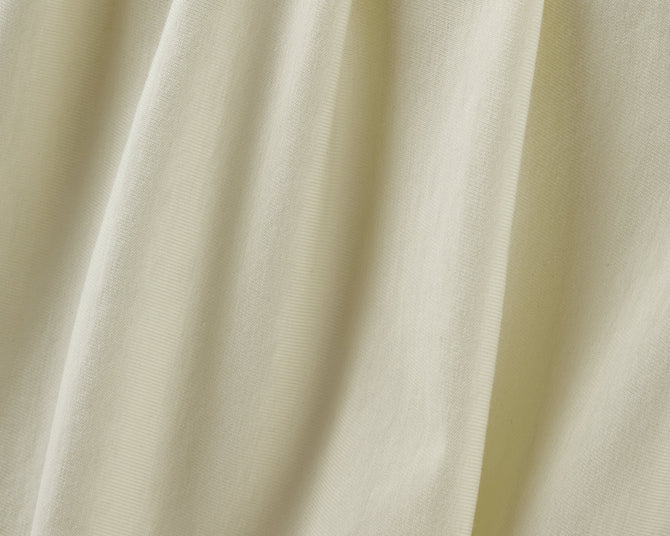
| Drape | Crisp (holds structured silhouettes) | Fluid (ideal for bias-cut garments) |
| UV Resistance | Moderate (UPF 30-50 in tight weaves) | Low (requires chemical treatments) |
Knitting Structure Advantages
Regen-tech's engineered knits enhance both fibers through precision needle selection and tension control:
- Tencel Linen blends excel in:
- Commuter jackets with moisture regulation (e.g., 3-layer bonded knits with Tencel lining)
- Structured athleisure with natural texture (e.g., rib-knit panels for stretch recovery)
- Durable performance layers (e.g., double-knit constructions for abrasion-prone areas)
- Enhanced Rayon performs well for:
- Fluid drape in draped tops (e.g., single jersey with 20% stretch for effortless movement)
- Soft hand feel in loungewear (e.g., brushed rayon blends for next-to-skin comfort)
- Cost-effective colorful basics (e.g., heather dye techniques achieving 98% colorfastness)
B2B Application Scenarios
Choose Tencel Linen when:
- Need temperature regulation in urban outerwear (e.g., reversible jackets with climate-responsive linings)
- Require abrasion resistance for active components (e.g., reinforced knee panels in performance trousers)
- Sustainability claims require certified fibers (e.g., Cradle to Cradle Gold®-certified collections)
- Manufacturing odor-resistant base layers (natural antimicrobial properties reduce bacterial growth)
Opt for Rayon when:
- Prioritizing cost efficiency in high-volume production (rayon costs 20-30% less than Tencel at scale)
- Designing flowing silhouettes (e.g., bias-cut dresses with 4-way stretch variants)
- Working with vibrant dye techniques (rayon accepts acid and reactive dyes with 15% greater saturation)
- Producing lightweight summer fabrics (55-75 gsm single knits for tropical climates)
Care and Maintenance Insights
- Tencel Linen: Washes well at 30°C, minimal shrinkage (<3% with proper tension control during knitting). Avoid fabric softeners to maintain moisture-wicking properties.
- Rayon: Often requires cold wash (max 20°C), prone to wrinkling (steam instead of ironing at high temps). Use mesh laundry bags to prevent fiber breakdown.
- Both benefit from air drying versus machine drying (reduce microfiber shedding by 60% versus tumble drying).
- For industrial laundering: Specify Tencel in healthcare uniforms (withstands 100+ industrial washes) versus rayon in low-wash scenarios (e.g., hotel drapery).
Why Partner with Regen-tech for Engineered Knits?
Our technical knitting expertise transforms both fibers through:
- Structure-enhanced moisture pathways (patented 3D spacer knits move sweat 50% faster)
- Tension-controlled drape engineering (variable gauge adjustments for targeted flexibility)
- Blend optimization for specific end uses (e.g., Tencel/Rayon/Elastane tri-blends for wrinkle-free shirting)
- Custom finishes (enzyme washes to reduce pilling in rayon blends by 40%)
Final Considerations
FAQ
What are the key sustainability differences between Tencel Linen and Rayon?
Tencel Linen is derived from sustainably harvested wood pulp with a closed-loop production process, reducing water consumption by 50% and achieving up to 99% solvent recovery. It's also biodegradable and OEKO-TEX® certified. Rayon, while traditionally less sustainable, now offers eco-friendly variants like Ecovero™ with lower emissions and water impact, but requires FSC® or CanopyStyle certification for responsible sourcing.
How does the moisture-wicking performance of Tencel Linen compare to Rayon?
Tencel Linen excels in moisture-wicking, absorbing 50% more moisture than cotton, while Rayon performs moderately but loses 15-20% effectiveness when wet. This makes Tencel Linen ideal for high-performance activewear.
Which fabric is more durable: Tencel Linen or Rayon?
Tencel Linen has 30% higher tensile strength both wet and dry, making it more durable. Rayon loses up to 40% strength when wet, which affects its longevity in certain applications.
Are there differences in breathability between Tencel Linen and Rayon?
Yes, Tencel Linen offers high breathability due to its microscopic fibrils that enhance airflow. Rayon has a denser fiber structure, resulting in moderate breathability.
Which fabric is better for structured silhouettes versus fluid drapes?
Tencel Linen provides a crisp drape, making it ideal for structured silhouettes. Rayon, with its fluid drape, is better suited for bias-cut garments and flowing designs.
Popular Fabric 2026
Describe your featured collection here


Related Blogs
Add a short description for your brand news

Why Designers Love Linen Blends: Cotton-Linen / TENCEL™-Linen / Wool-Linen

Blend Fabric Guide: Everything You Need to Know About Mixed Textiles

Lyocell Fabric: Everything You Need to Know About This Sustainable Textile Material in 2026