


Linen Fabric vs Linen Blend: Pros & Cons for Fashion Designers
Linen and linen-blend fabrics are staples in modern fashion design, each offering unique advantages for performance, sustainability, and aesthetic appeal. As a B2B textile specialist, understanding these differences is crucial for selecting the right material for your collections. Below, we break down the key distinctions between pure linen and linen blends, focusing on their properties, applications, and suitability for various garment types.
What Is Linen Fabric?
Linen is a natural fiber derived from the flax plant, known for its breathability, durability, and eco-friendly properties. It has been used for centuries in apparel and home textiles due to its moisture-wicking and thermoregulating capabilities. The production process involves retting, breaking, and scutching flax stems to extract the fibers, resulting in a material prized for its strength and natural luster.
Key Properties of Pure Linen:
- Breathability: Ideal for warm climates due to excellent air circulation. Linen’s porous structure allows heat to escape, making it 30% more breathable than cotton (Textile Research Journal).
- Sustainability: Biodegradable and requires less water than cotton during cultivation (European Flax Association). Flax grows without pesticides in cooler climates like France and Belgium.
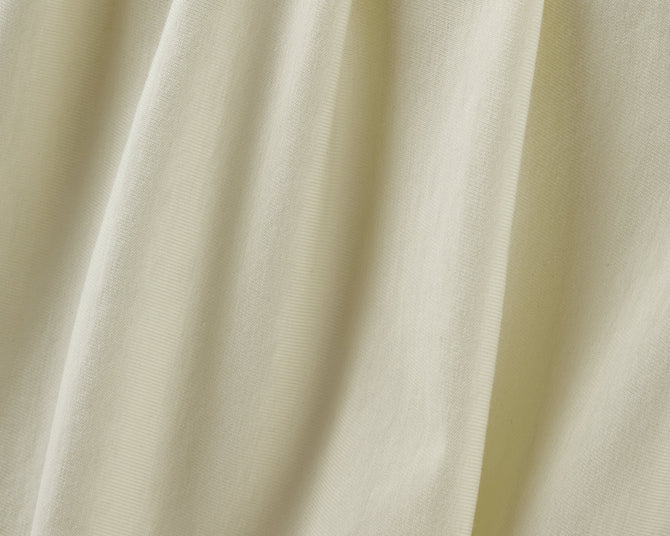
- Texture: Develops a soft, lived-in feel over time but can be prone to wrinkling. The natural slubs and irregularities add a rustic, artisanal charm.
- Strength: Becomes stronger when wet, making it durable for frequent washing. Linen fibers can withstand up to 20% more tension than cotton when damp.
- Hygroscopic Properties: Absorbs up to 20% of its weight in moisture before feeling damp, ideal for activewear and tropical climates.
What Are Linen Blends?
Linen blends combine linen with other fibers (e.g., cotton, polyester, or rayon) to enhance performance, texture, or cost efficiency. These hybrids balance linen’s natural qualities with added functionalities, making them versatile for diverse design needs. For instance, blending linen with synthetic fibers can address wrinkling issues while retaining its aesthetic appeal.
Common Linen Blends & Their Benefits:
- Linen-Cotton (55% Linen, 45% Cotton): Reduces wrinkling while maintaining breathability. Perfect for casual shirting and relaxed trousers, offering a softer hand feel than pure linen.
- Linen-Polyester (70% Linen, 30% Polyester): Improves wrinkle resistance and durability. A go-to for travel-friendly blazers or uniform programs where low maintenance is key.
- Linen-Rayon (50% Linen, 50% Rayon): Enhances drape and softness for fluid silhouettes, ideal for draped dresses or flowing skirts. Rayon adds a silk-like sheen without compromising linen’s structure.
- Linen-Tencel (60% Linen, 40% Tencel): Combines sustainability with enhanced moisture-wicking, suitable for eco-conscious activewear or resort collections.
Pros & Cons: Linen vs. Linen Blends
| Aspect | Pure Linen | Linen Blends |
|---|---|---|
| Sustainability | Fully biodegradable, low water footprint | Depends on blend (e.g., polyester reduces eco-friendliness; Tencel improves it) |
| Durability | Long-lasting but wrinkles easily; improves with wear | More wrinkle-resistant, especially with synthetic blends; polyester blends resist pilling |
| Comfort | Superior breathability, ideal for sensitive skin | May sacrifice some airflow for softness/stretch (e.g., elastane blends add mobility) |
| Cost | Higher due to labor-intensive production (≈$15–$20/yard) | Often more affordable (e.g., linen-polyester ≈$10–$14/yard) |
| Care | Requires gentle washing/ironing; air-drying recommended | Easier maintenance with blended fibers; some blends are machine-washable |
Best Use Cases for Fashion Designers
Pure Linen Is Ideal For:
- High-end summer collections (dresses, shirts, lightweight tailoring) where breathability and luxury are prioritized. Brands like Eileen Fisher leverage pure linen for its organic texture.
- Sustainable brands prioritizing 100% natural materials and transparent supply chains. Linen’s traceability aligns with certifications like OEKO-TEX®.
- Garments benefiting from texture (relaxed, rustic aesthetics), such as unstructured blazers or artisan-inspired linens with natural dye variations.
Linen Blends Excel In:
- Athleisure and urban commuting wear (added stretch/recovery). For example, a linen-spandex blend (92% linen, 8% spandex) offers mobility for bike-to-work pants.
- Budget-conscious lines without sacrificing linen’s visual appeal. Mass-market brands use linen-cotton for affordable summer staples.
- Wrinkle-resistant officewear (blended with polyester or Tencel), like tailored trousers that retain sharp creases after long meetings.
Sustainability Considerations
Pure linen aligns with circular fashion principles, but blends can still be eco-conscious if paired with recycled fibers (e.g., GRS-certified polyester). Designers should weigh biodegradability against performance needs. For instance, using post-consumer recycled polyester in blends reduces landfill waste while maintaining durability. Innovations like flax-Lyocell blends offer closed-loop production, appealing to brands targeting ESG goals.
Conclusion
FAQ
What are the key benefits of pure linen fabric for fashion design?
Pure linen offers excellent breathability (30% more than cotton), sustainability (biodegradable and low water usage), and durability (stronger when wet). It also has hygroscopic properties, absorbing up to 20% of its weight in moisture, making it ideal for warm climates and activewear.
How do linen blends improve upon the properties of pure linen?
Linen blends combine linen with fibers like cotton, polyester, or rayon to enhance performance. For example, linen-cotton reduces wrinkling, linen-polyester improves durability and wrinkle resistance, and linen-rayon enhances drape and softness for fluid garments.
Which linen blend is best for travel-friendly or low-maintenance garments?
A linen-polyester blend (70% linen, 30% polyester) is ideal for travel-friendly or low-maintenance garments, as it significantly improves wrinkle resistance and durability while retaining linen's aesthetic appeal.
Why is linen considered a sustainable fabric choice?
Linen is sustainable because it’s derived from flax, which requires minimal water and no pesticides to grow (especially in cooler climates like France and Belgium). It’s also biodegradable and has a lower environmental impact compared to cotton.
What are the common applications of linen-cotton blends in fashion?
Linen-cotton blends (typically 55% linen, 45% cotton) are perfect for casual shirting and relaxed trousers. They offer reduced wrinkling, improved breathability, and a softer hand feel compared to pure linen.
Popular Fabric 2026
Describe your featured collection here


Related Blogs
Add a short description for your brand news

What Is Linen Fabric? A Complete Guide for Modern Apparel Designers

Why Designers Love Linen Blends: Cotton-Linen / TENCEL™-Linen / Wool-Linen

TENCEL™ x Merino Wool vs Cotton–Wool vs Viscose–Wool: Choosing the Right Blend for Next-to-Skin