


Cotton-Linen Knit Fabric: Texture, Drape and Clothing Uses
What Is Cotton-Linen Knit Fabric?
Cotton-linen knit fabric combines cotton and linen fibers in a knitted construction, bringing together cotton's familiar softness with linen's natural texture, breathability, and dry hand feel. Unlike traditional woven linen, knitted cotton-linen offers flexibility through its looped structure, creating a more relaxed wearing experience for everyday spring and summer apparel.
The blend ratio varies depending on the desired fabric character. Cotton contributes softness and comfort, while linen introduces natural texture, a cooler touch, and a slightly crisper feel. A higher linen content often brings more pronounced surface texture and a drier hand, while cotton-rich blends generally offer a softer, more familiar touch.
Fabric weight and construction also influence the result. For example, a 160 gsm cotton-linen single jersey can be suitable for lightweight summer T-shirts, while denser constructions may provide additional body for more structured silhouettes.
Texture, Hand Feel, and Drape
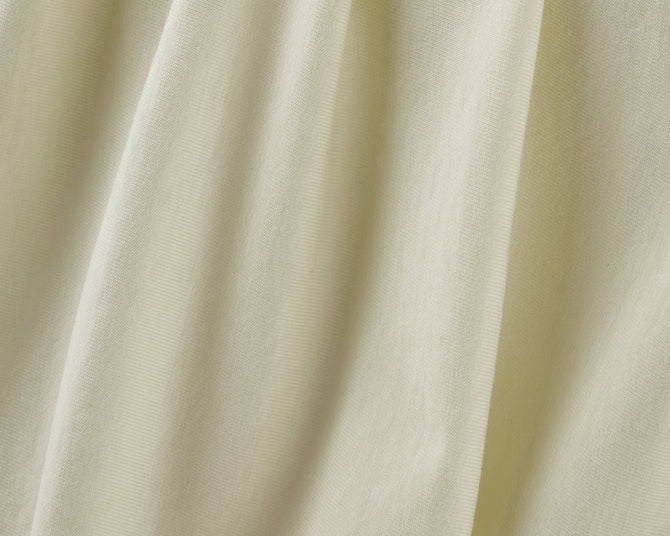
Texture is one of the defining characteristics of cotton-linen knit fabrics. Linen fibers often introduce visible slubs, subtle irregularities, and a naturally textured appearance. These details give the fabric a relaxed, organic character that distinguishes it from conventional smooth cotton jersey.
- Surface Texture: Fine slubs, subtle nubs, and gentle variations in the yarn can create a softly textured surface. The intensity depends on the linen content, yarn design, and knitting construction.
- Hand Feel: Cotton helps soften linen's naturally firm character, producing a fabric that feels comfortable against the skin while retaining a dry, slightly crisp touch. Washing and finishing treatments can further refine the softness.
- Drape and Body: Cotton-linen knits can balance softness with subtle structure. Lightweight jersey constructions may drape in relaxed folds, while denser fabrics can offer more shape and support.
Compared with smooth cotton jersey, cotton-linen knits often have a more pronounced natural texture and a drier feel. They are particularly appealing for garments where the fabric itself contributes to the design, rather than relying on prints or decorative details.
Key Advantages and Practical Considerations
- Breathability & Summer Comfort: Both cotton and linen absorb moisture, making them appealing choices for warm-weather apparel. When developed in lightweight or more open knit constructions, cotton-linen fabrics can allow good airflow, supporting comfortable summer T-shirts, sleeveless tops, and relaxed clothing.
- Natural Texture & Visual Appeal: Linen often brings subtle slubs and an understated, slightly irregular surface. This natural variation adds depth and character to simple garment designs, making cotton-linen particularly suitable for minimalist and casual summer collections.
- Softness & Wearability: Blending linen with cotton helps balance linen's crisp, dry character with a softer hand feel. Knitted construction also provides mechanical stretch, allowing garments to move comfortably with the body. Stretch recovery, however, depends on the specific yarn, knit structure, and any added elastic fibers.
- Natural Fiber Appeal: Cotton and linen are both plant-based fibers, offering an alternative to fully synthetic materials. Their familiar natural appearance and tactile qualities make them attractive for brands developing collections centered on natural materials and understated design.
- Wrinkling & Shape Retention: Linen's natural tendency to crease remains part of the fabric's character, even when blended with cotton. The level of wrinkling and dimensional stability varies with composition, construction, and finishing. Designers should consider these characteristics when developing fitted or more structured garments.
Apparel Applications: Matching Fabric to Garment Intent
Cotton-linen knits are particularly well suited to spring and summer clothing that emphasizes natural texture, comfortable movement, and relaxed silhouettes.
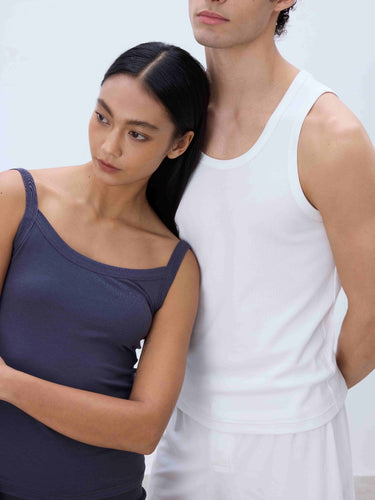
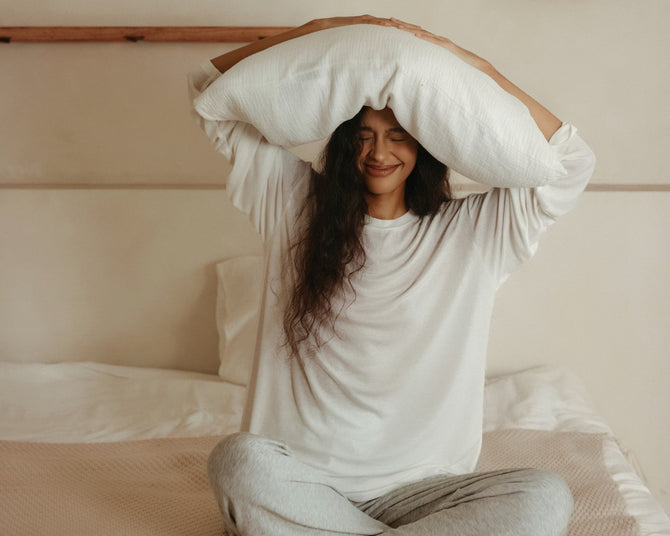
- Relaxed T-Shirts & Casual Tops: Cotton-linen single jersey is an appealing choice for boxy T-shirts, oversized tees, and everyday casual tops. Its natural surface texture adds visual interest to simple designs, while lightweight constructions help maintain comfortable summer wearability.
- Sleeveless Tops & Summer Shells: The combination of cotton softness and linen's dry touch makes these fabrics suitable for sleeveless tops, loose-fitting tanks, and casual summer shells. A slightly structured hand can help create clean, relaxed silhouettes without excessive stiffness.
- Contemporary Dresses & Skirts: Lightweight cotton-linen knits can be used for relaxed midi dresses, casual skirts, and simple summer dresses. Their natural texture works particularly well with minimalist designs, while fabric weight and construction determine the final drape and coverage.
- Light Layering Pieces: Open-front tops, relaxed cover-ups, and lightweight summer cardigans can benefit from cotton-linen's comfortable touch and subtle texture. More open or lightweight knit constructions can enhance airflow and make these pieces suitable for warm-weather layering.
- Natural Everyday Essentials: Cotton-linen knits also work well for coordinated casual separates and understated everyday basics. Their distinctive hand feel and surface character can elevate simple garments without requiring complicated construction or embellishment.
Why It Matters for B2B Apparel Development
For fashion brands, designers, and sourcing teams, cotton-linen knit fabric offers an opportunity to bring natural texture and material differentiation into familiar spring and summer clothing categories.
The key is choosing the right combination of fiber ratio, yarn design, fabric weight, and knitting structure.
For example, Regen-tech Fashion's cotton-linen development 6613 combines 55% cotton and 45% linen in a 160 gsm single-jersey construction. The relatively high linen content creates a recognizable natural texture and dry hand feel, while cotton contributes softness and everyday comfort. This combination is particularly suitable for relaxed summer T-shirts and sleeveless tops.
Other cotton-linen constructions can emphasize different qualities, from softer drape to greater body and more pronounced surface texture.
For apparel development, evaluating the fabric's hand feel, drape, opacity, shrinkage, and dimensional stability through sampling helps ensure that the selected material matches the intended garment.
With the right balance of fibers and construction, cotton-linen knits can transform simple summer essentials into more distinctive pieces, combining breathable comfort, natural texture, and effortless everyday style.
FAQ
What is the typical weight range and common blend ratios for cotton-linen knit fabric?
Cotton-linen knit fabric typically falls between 180–240 gsm (grams per square meter), classifying it as lightweight to midweight. Common blend ratios range from 50% cotton / 50% linen to 70% cotton / 30% linen—higher cotton content enhances softness and stretch recovery, while higher linen content boosts natural luster, coolness, and textural character.
How does the drape of cotton-linen knit compare to 100% cotton jersey or woven linen?
Cotton-linen knit offers a fluid yet grounded drape—softer and more yielding than crisp woven linen, but with more structure and less cling than cotton jersey. It forms soft, organic folds with moderate body, balancing movement and shape retention better than either extreme.
Is cotton-linen knit suitable for fitted garments like t-shirts or bodysuits?
Yes—but with design considerations. Its moderate elasticity and reduced stretch recovery mean fitted styles benefit from eased seams, twin-needle topstitching, and carefully graded ease allowances. It excels in relaxed silhouettes but can work in semi-fitted pieces when patterned with its lower rebound in mind.
Does cotton-linen knit wrinkle easily, and how should brands communicate this to customers?
While knitted construction softens linen’s notorious wrinkling, some gentle creasing remains—especially after wear or packing. Brands should embrace this as part of its authentic, lived-in aesthetic rather than a flaw; care instructions should recommend light steaming (not ironing) and hanging to air out, reinforcing its natural, low-maintenance appeal.
What sustainability advantages does cotton-linen knit offer fashion brands?
Both flax (for linen) and organic/GOTS-certified cotton are low-impact, renewable crops requiring minimal water and pesticides. The blend maintains biodegradability and compostability, avoids synthetics, and enables lower-energy dyeing and finishing—aligning with circularity goals and clean production standards for conscious brands.
Related Blogs
Add a short description for your brand news

Cotton vs Polyester in Knit Fabrics: Comfort or Structure for Urban Commuterwear?

Blended Knit vs 100% Cotton: Why Engineered Structures Win in Modern Apparel

Nylon vs Polyester for Stretch Knit Fabrics: Which Performs Better in Modern Knitwear?