
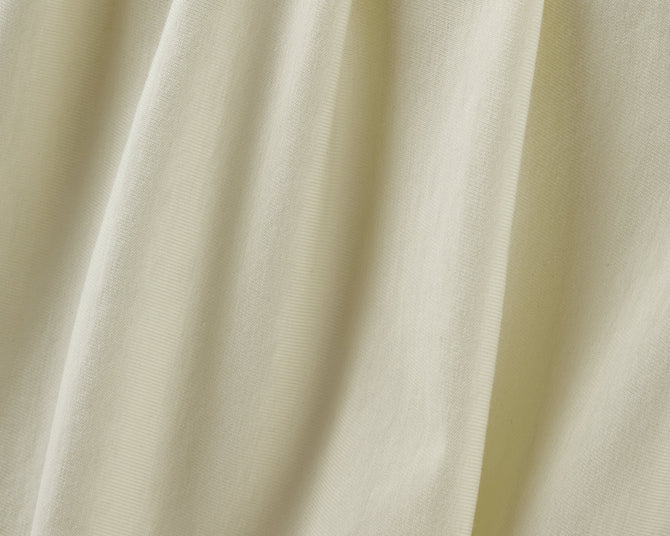



Global Supplier of Sustainable Blended Fabrics
We work with leading fashion brands and designers, offering in-stock fabrics, flexible low-MOQ programs, and fast response for efficient development and production.

Traceable & Responsible Knit Fabric Solutions at Flexible MOQ
✦ Traceable raw materials with responsible sourcing
✦ In-stock and low-MOQ support for agile development
✦ Testing-ready fabrics with quality inspection and compliance support
Explore Our Core Fabric Series
Regen-tech Fashion’s fabric range covers a broad selection of natural fibers and commonly used blended constructions, including Lenzing™ Lyocell, Merino wool, linen, cotton, and functional or recycled fiber blends. Designed to support diverse design and development needs, our fabrics are suitable for a wide range of applications.
Fabrics are available from stock or flexible low-quantity programs, and can be used for dyeing, printing, and related testing requirements, supporting efficient development and stable supply.


Popular Fabric 2026
Describe your featured collection here


Start Your Next Collection with Us
Why Sustainable Fiber Choices Matter in Modern Fabric Development
Why Sustainable Fiber Choices Matter in Modern Fabric Development
In today’s textile industry, sustainable fiber choices are no longer optional—they’re a critical driver of innovation, performance, and long-term business value. For B2B buyers and product developers, selecting the right fibers isn’t just about meeting environmental standards; it’s about unlocking functional advantages, supply chain resilience, and market differentiation. At Regen-tech Fashion, we engineer knitted fabrics that merge sustainability with structural ingenuity, proving that eco-conscious materials can outperform conventional alternatives. With rising consumer demand for transparency and corporate ESG commitments, sustainable fibers are now a strategic imperative across sectors—from sportswear to automotive interiors.
The Business Case for Sustainable Fibers
Sustainable fibers—such as recycled polyester, organic cotton, and bio-based nylon—are reshaping fabric development by addressing key industry challenges:
- Regulatory Compliance: Global regulations like the EU’s Strategy for Sustainable Textiles and the U.S. FTC Green Guides are tightening requirements for fiber sourcing and transparency. Brands that adopt certified materials (e.g., GRS, Oeko-Tex) future-proof their supply chains against penalties and import restrictions. For example, a 2023 McKinsey report noted that 67% of fashion brands now face stricter due diligence laws requiring traceability down to the fiber level.
- Performance Parity: Advanced recycling technologies, such as mechanical and chemical regeneration, now produce fibers with identical durability and moisture-wicking properties to virgin materials. For instance, recycled nylon retains the strength needed for high-stretch activewear, with tensile strengths exceeding 4.5 g/denier, as tested per ASTM D5035 standards.
- Cost Efficiency: While sustainable fibers once carried a price premium, economies of scale and innovations like pre-consumer waste recycling have narrowed the gap. Long-term savings arise from reduced waste (up to 30% lower cutting waste in optimized knit designs) and energy use (recycled polyester requires 59% less energy than virgin PET, per Textile Exchange).
Functional Benefits of Engineered Sustainable Fabrics
Regen-tech Fashion’s knitted fabrics demonstrate how sustainable fibers enhance functionality when paired with precision engineering:
- Moisture Management: Fabrics blending recycled polyester with Tencel™ lyocell leverage the inherent breathability of plant-based fibers (with moisture regain rates of 11.5%) and the quick-drying properties of recycled synthetics (wicking speeds under 5 seconds per AATCC 195).
- Durability: Structurally reinforced knits using recycled nylon resist pilling (Grade 4+ after 10,000 Martindale rubs) and abrasion (1,000+ cycles per ASTM D3884), critical for urban commuting wear and athleisure.
- Thermal Regulation: Hollow-core yarns made from recycled materials trap air for insulation (thermal retention up to 0.8 clo) without added weight, ideal for layered performance apparel.
Industry Applications and Use Cases
Our B2B partners prioritize sustainable fabrics for projects where material choices directly impact end-user satisfaction:
- Urban Commuting Wear: Lightweight, weather-resistant knits with recycled content (e.g., 50% post-consumer PET, 50% organic cotton) meet demand for versatile, all-day comfort, with UPF 30+ protection and 4-way stretch.
- Athleisure: High-recovery fabrics using bio-based elastomers (e.g., Sorona®) offer stretch retention (98% recovery after 200 stretches) and reduced environmental footprint (37% lower GHG emissions vs. synthetic elastane).
- Corporate Workwear: Blends of organic cotton and recycled synthetics (e.g., 60/40 organic cotton/Recycled PET) balance professionalism with eco-credentials for uniform programs, featuring wrinkle resistance and OEKO-TEX® Certified dye systems.
The Science Behind Sustainable Performance
Collaborations with institutions like the Textile Exchange and MIT’s Materials Research Lab validate that fiber selection impacts fabric behavior at a molecular level. For instance:
- Recycled polyester processed via mechanical methods maintains 95% of the tensile strength of virgin PET, as noted in a 2023 Textile World study, with crystallinity levels optimized for dye affinity (K/S values within 5% of virgin benchmarks).
- Bio-based fibers like PLA (polylactic acid) derived from corn starch exhibit inherent antimicrobial properties (99% bacterial reduction per AATCC 100), reducing reliance on chemical treatments.
Partnering for Long-Term Impact
Sustainable fabric development isn’t a one-time switch—it’s a continuous optimization process. Regen-tech Fashion works with B2B clients to:
- Audit existing material portfolios for eco-efficient alternatives, using tools like Higg MSI to compare carbon footprints.
- Prototype custom blends that align with performance and sustainability KPIs, such as Cradle-to-Cradle Certified™ Gold compliance or 100% closed-loop recyclability.
- Leverage certifications (e.g., Bluesign, Cradle to Cradle) to enhance brand narratives, with LCA reports quantifying reductions in water (up to 50%) and CO2 (up to 65%).
The Future Is Engineered Sustainability
The shift toward sustainable fibers is accelerating because it aligns with both planetary boundaries and commercial imperatives. By integrating recycled and renewable materials into structurally advanced knits, Regen-tech Fashion delivers fabrics that perform, endure, and resonate with conscious consumers. For B2B buyers, this means reducing risk (e.g.,规避 regulatory non-compliance fines up to 4% of turnover under EU CSDDD) while elevating product value (premium pricing power of 15-20% in sustainability-led categories).
Ready to Transform Your Material Strategy?
FAQ
Why are sustainable fibers becoming a strategic imperative in the textile industry?
Sustainable fibers are now a strategic imperative due to rising consumer demand for transparency, corporate ESG commitments, and regulatory pressures like the EU’s Strategy for Sustainable Textiles. They also offer functional advantages, supply chain resilience, and market differentiation.
How do sustainable fibers like recycled polyester and organic cotton address industry challenges?
Sustainable fibers help meet regulatory compliance, offer performance parity with virgin materials, and improve cost efficiency. For example, recycled polyester uses 59% less energy than virgin PET, and recycled nylon maintains high tensile strength for activewear.
What are the performance benefits of engineered sustainable fabrics?
Engineered sustainable fabrics enhance functionality, such as moisture management (quick-drying and breathable), durability (resistance to pilling and abrasion), and thermal regulation, making them ideal for sportswear, urban wear, and other applications.
How does adopting sustainable fibers future-proof supply chains?
Adopting certified sustainable fibers (e.g., GRS, Oeko-Tex) ensures compliance with tightening global regulations, avoids penalties, and meets traceability requirements, which 67% of fashion brands now face due to stricter due diligence laws.
Are sustainable fibers cost-effective compared to conventional materials?
Yes, innovations like pre-consumer waste recycling and economies of scale have narrowed the cost gap. Long-term savings come from reduced waste (up to 30% lower cutting waste) and energy use, making sustainable fibers a financially viable choice.
Global Fabric Sourcing & Supply Network
Regen-tech Fashion is a differentiated knit fabric supplier and manufacturer serving fashion brands, designers, and apparel partners worldwide. Our fabric portfolio covers natural and blended fiber options—including Lenzing™ Lyocell, Merino wool, linen, cotton, and commonly used blends such as viscose, polyester, nylon, modal, and spandex—supporting modern product development with reliable supply and consistent quality.
We offer 4 key programs:
-
Ready Stock (core knit qualities with stable availability and flexible quantities)
-
Low-MOQ Development (sampling and small-batch programs for agile collections)
-
Custom Production (fabric development, finishing options, and structured quality control)
-
Testing & Compliance Support (inspection coordination, test requests, and documentation support)
Explore our fabric series to match your next collection—from everyday essentials to structured knits and active-inspired blends. For inquiries or support, contact our team for fabric recommendations, availability, and order guidance.
Related Blogs
Add a short description for your brand news

Why Linen Is the Ultimate Sustainable Natural Fiber?

Lyocell Fabric: Everything You Need to Know About This Sustainable Textile Material in 2026

How Lyocell Fiber Is Made: From Wood Pulp to High-Performance Fabric