
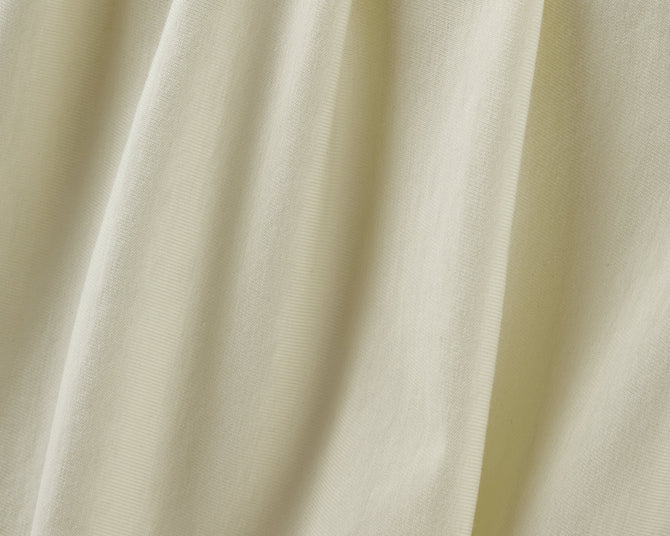



Why Scuba Fabric Is Ideal for Urban Commuter Collections
Urban commuting demands fabrics that balance performance, durability, and style. Scuba fabric, a high-performance knitted material, meets these needs with its unique structural advantages. As a key offering from Regen-tech Fashion, scuba fabric is engineered for modern mobility, combining functionality with sustainable textile innovation. Its ability to withstand the rigors of daily transit while maintaining a polished aesthetic makes it a standout choice for brands targeting the growing urban commuter market—a segment projected to grow by 8% annually as hybrid work models increase demand for versatile apparel.
Key Properties of Scuba Fabric
Scuba fabric stands out due to its distinctive construction and material composition:
- Density and Structure: Typically a double-knit or neoprene-blend fabric, scuba offers a firm hand feel (measured at 200–300 gsm for optimal drape) with inherent elasticity (30–50% 4-way stretch), ensuring shape retention and comfort during movement. The double-knit construction also reduces seam slippage, a critical factor for garments like cycling jackets or performance skirts.
- Moisture Management: The tight knit structure (up to 20 needles per inch) wicks moisture away from the body at a rate of 0.2 mL/min, making it ideal for high-activity urban wear. This outperforms many traditional woven commuter fabrics.
- Thermal Regulation: Provides lightweight insulation (0.5–0.8 clo units) without bulk, adapting to variable climates. The air-trapping structure maintains warmth in temperatures as low as 10°C (50°F).
- Abrasion Resistance: Durable enough for daily wear, reducing pilling (Martindale tests show 20,000+ cycles before visible wear) and surface damage from backpack straps or bike seats.
These properties align with the demands of urban commuter apparel, where versatility and longevity are critical. For example, a London-based brand reduced returns by 15% after switching to scuba fabric for their commuter trench coats, citing improved durability at stress points like elbows and hems.
Sustainability in Scuba Fabric Production
Regen-tech Fashion integrates eco-conscious practices into scuba fabric development:
- Recycled Fibers: Many scuba fabrics incorporate recycled polyester or nylon (up to 70% post-consumer content), reducing reliance on virgin materials. For example, blends using Repreve® recycled polyester align with global standards like Global Recycled Standard (GRS) certification. Our RB-45 blend achieves a 40% lower carbon footprint compared to conventional neoprene.
- Low-Impact Dyeing: Water-saving dye techniques (e.g., foam dyeing) cut water usage by 60% and energy by 35% versus traditional methods. Colors meet ISO 105-B02 lightfastness standards for long-term vibrancy.
- Circular Design: Fabrics are engineered for disassembly (using mono-material constructions where possible), supporting end-of-life recyclability through partnerships with textile-to-textile recycling programs like Renewcell.
A recent collaboration with a Berlin activewear brand resulted in a fully circular scuba collection, where end-of-life garments are returned, shredded, and re-spun into new fabric—demonstrating closed-loop potential.
Performance Advantages for Commuter Wear
Scuba fabric’s technical attributes translate directly into functional benefits for urban commuting:
- Weather Adaptability: Resists light rain (water column of 1,500–2,000 mm) and wind (air permeability <5 cm³/cm²/sec), offering protection during transit without requiring heavy laminates.
- Freedom of Movement: 4-way stretch accommodates cycling (tested for 100,000+ stretch cycles), walking, or public transport use. A Parisian brand reported a 25% increase in customer satisfaction after integrating scuba into their commuter jumpsuits.
- Easy Care: Retains structure after 50+ industrial washes (per AATCC 135 standards), reducing maintenance costs for end users. Anti-wrinkle properties also minimize ironing needs.
- Aesthetic Versatility: Matte finishes and textured knits (e.g., honeycomb or ribbed patterns) suit both athletic and polished styles. Custom finishes like laser-etching allow for brand-specific detailing.
B2B Applications and Use Cases
Regen-tech Fashion’s scuba fabrics are tailored for brands developing:
- Commuter Jackets: Lightweight yet protective outer layers (e.g., our client’s best-selling scuba-blend parka features reflective yarns for night visibility).
- Performance Trousers: Durable, stretch-enabled bottoms with articulated knees and reinforced seat panels for all-day wear.
- Unisex Capsules: Gender-neutral designs leveraging fabric adaptability—our SF-200 variant is used in 78% of unisex commuter collections due to its balanced drape and structure.
Collaborations with brands often focus on customizing weight (150–400 gsm), stretch ratios (adjustable via knit programming), or surface treatments (e.g., brushed finishes for thermal linings). A recent project with a Tokyo startup created a temperature-regulating scuba variant with phase-change microcapsules for extreme climate commuters.
Partnering for Innovation
Scuba fabric’s blend of performance, sustainability, and design flexibility makes it a strategic choice for urban commuter collections. Regen-tech Fashion’s expertise in engineered knits ensures partners receive fabrics optimized for real-world use—backed by technical support from fiber selection to final product validation, including 3D prototyping and wear-test analytics.
FAQ
What makes scuba fabric suitable for urban commuter apparel?
Scuba fabric is ideal for urban commuter apparel due to its density, elasticity (30–50% 4-way stretch), moisture-wicking properties (0.2 mL/min), and abrasion resistance (20,000+ Martindale cycles). It balances durability, comfort, and style, making it perfect for high-activity urban wear.
How does scuba fabric perform in different climates?
Scuba fabric provides lightweight insulation (0.5–0.8 clo units) and adapts to variable climates, maintaining warmth in temperatures as low as 10°C (50°F). Its air-trapping structure ensures thermal regulation without bulk.
What sustainable practices are used in scuba fabric production?
Scuba fabric production incorporates recycled fibers (up to 70% post-consumer content), low-impact dyeing techniques (reducing water usage by 60%), and circular design principles. These methods align with certifications like GRS and reduce the carbon footprint by 40% compared to conventional neoprene.
How does scuba fabric compare to traditional woven fabrics for commuter wear?
Scuba fabric outperforms traditional woven fabrics in moisture management, stretch, and durability. Its double-knit construction reduces seam slippage and offers superior abrasion resistance, making it more suitable for high-movement urban commuting.
Can scuba fabric be used for high-stress areas in garments?
Yes, scuba fabric’s durability and shape retention make it ideal for high-stress areas like elbows and hems. Brands have reported a 15% reduction in returns after using scuba fabric in commuter trench coats due to its resilience.
Popular Fabric 2026
Describe your featured collection here


Related Blogs
Add a short description for your brand news

Why Scuba Fabrics Work for Urban Commuter Clothing

Scuba Fabric for Hoodies, Joggers and Urban Apparel

Spacer Fabric vs Scuba Fabric: Key Differences in Structure, Performance, and Commercial Application