



What to Look for in Bulk Scuba Fabric for Apparel Production
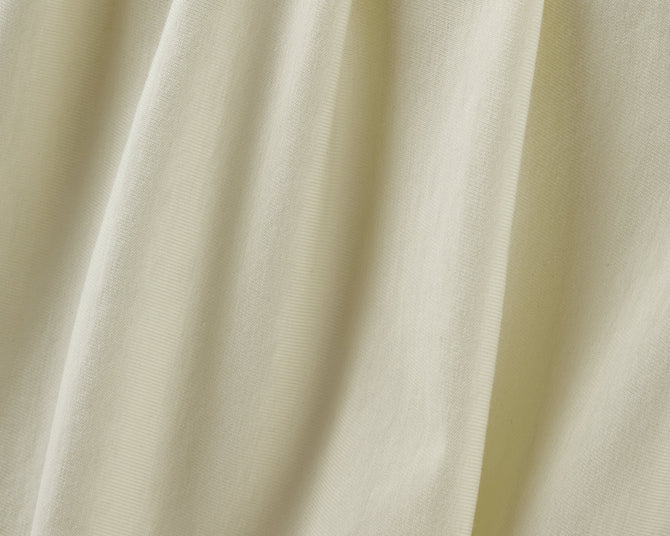
Scuba fabric is a versatile, performance-driven material widely used in athleisure, urban commuting wear, and modern lifestyle apparel. As a B2B buyer, selecting the right bulk scuba fabric requires a focus on technical properties, sustainability, and functional adaptability. Here’s a structured guide to help you make informed decisions for your apparel production needs, including expanded insights on fabric engineering, compliance standards, and real-world B2B applications.
Key Properties of High-Quality Scuba Fabric
When sourcing scuba fabric in bulk, prioritize these critical attributes to ensure optimal performance and longevity:
- Density and Weight: Scuba fabric typically ranges from 180–300 GSM. Heavier weights (250–300 GSM) offer better structure for outerwear like moto jackets or structured skirts, while lighter variants (180–220 GSM) suit layered garments such as lightweight tops or breathable activewear. For performance-driven brands, consider mid-range GSM (220–250) for a balance of flexibility and durability.
- Stretch and Recovery: Look for 4-way stretch with high spandex content (10–20%) for superior flexibility and shape retention, essential for activewear and form-fitting designs. Test recovery rates—high-quality scuba should return to its original shape within seconds after stretching.
- Compression and Drape: Evaluate the fabric’s ability to hold compression (for sculpting effects in shapewear or athletic gear) and its drape (for fluid silhouettes in dresses or flowy tops). Knit structure plays a pivotal role here—tighter knits enhance compression, while looser weaves improve drape.
- Moisture Management: Opt for moisture-wicking finishes or hydrophobic yarn blends (e.g., polypropylene hybrids) to enhance comfort in performance apparel. For swimwear or high-intensity activewear, prioritize quick-drying properties with a dry time of under 30 minutes.
Sustainability Considerations
Sustainable scuba fabric is increasingly demanded by brands and consumers alike, driven by regulatory pressures and eco-conscious purchasing trends. Key factors include:
- Recycled Fibers: Fabrics incorporating recycled polyester (rPET) or nylon reduce environmental impact. Certifications like Global Recycled Standard (GRS) validate these claims, ensuring traceability from raw material to finished product. Some advanced suppliers now offer post-consumer waste (PCW) blends with up to 50% recycled content.
- Low-Impact Dyes: Ensure dyeing processes meet OEKO-TEX® or Bluesign® standards to minimize chemical use. Waterless dyeing technologies (e.g., CO2 dyeing) can further reduce environmental footprint.
- Biodegradability: Some scuba blends integrate plant-based fibers (e.g., Tencel™ or biodegradable polyester alternatives) for partial biodegradability, appealing to eco-conscious brands. Check for certifications like USDA BioPreferred or EN 13432 for compostability claims.
- Circularity Programs: Partner with suppliers offering take-back programs for fabric scraps or end-of-life garment recycling, aligning with EU Green Deal or Extended Producer Responsibility (EPR) frameworks.
Performance and Durability
Scuba fabric must withstand rigorous use, especially in active and urban apparel. Assess these factors to ensure long-term performance:
- Abrasion Resistance: Critical for high-friction areas like knees or elbows in commuter wear. Martindale tests (20,000+ cycles) indicate durability—look for fabrics rated for "heavy duty" use if designing workwear or outdoor gear.
- Pilling Resistance: Check for anti-pilling treatments (e.g., silicone coatings) or tight knit structures (e.g., double-knit constructions) to maintain aesthetic longevity. ASTM D4970 testing can quantify pilling propensity.
- Colorfastness: UV-resistant and chlorine-safe finishes are vital for swimwear or outdoor applications. For urban fashion, ensure colorfastness to washing (ISO 105-C06) and rubbing (ISO 105-X12) to meet commercial laundry standards.
- Thermal Regulation: For temperature-sensitive applications (e.g., winter commuting or performance base layers), seek phase-change material (PCM) treatments or graphene-infused scuba fabrics that adapt to body heat.
B2B Use Cases and Applications
Scuba fabric’s adaptability makes it ideal for diverse commercial applications:
- Athleisure: Combines stretch and compression for yoga pants, sports bras, or training shorts. Brands like Lululemon use high-recovery scuba for sculpting fits.
- Urban Commuting: Dense, wind-resistant variants (280+ GSM) work for jackets, trousers, or cycling wear. Reflective yarn integrations enhance safety for night-time commuting.
- Contemporary Fashion: Textured knits (e.g., jacquard or embossed patterns) add dimension to dresses, skirts, or avant-garde separates. Designers like Balenciaga leverage scuba’s structural qualities for runway pieces.
- Medical and Compression Wear: High-compression scuba (with 15–20% spandex) is used in post-surgical garments or athletic recovery wear, requiring FDA or CE compliance for medical applications.
Partnering with the Right Supplier
Choose a supplier like Regen-tech Fashion that offers:
- Custom Engineering: Tailored fiber blends (e.g., antimicrobial silver yarns for activewear), weights, and finishes (e.g., fire retardant for protective workwear) to match your design specs.
- Consistency: Batch-to-batch uniformity for large-scale production, verified through ISO 9001 quality management systems.
- Transparency: Clear documentation on sustainability claims (e.g., HIGG FEM scores) and testing protocols (e.g., SGS reports for tensile strength).
- Scalability: MOQs as low as 500 meters for prototyping, with capacity for 10,000+ meter runs for bulk orders.
Conclusion
FAQ
What GSM range is ideal for structured outerwear in scuba fabric?
For structured outerwear like moto jackets or skirts, heavier scuba fabric (250–300 GSM) provides better structure and durability.
How does spandex content affect scuba fabric performance?
Higher spandex content (10–20%) ensures superior 4-way stretch, flexibility, and shape retention, making it ideal for activewear and form-fitting designs.
What sustainability certifications should I look for in scuba fabric?
Look for certifications like Global Recycled Standard (GRS) for recycled fibers, OEKO-TEX® for low-impact dyes, and Bluesign® for environmentally friendly production processes.
Why is moisture management important in scuba fabric for activewear?
Moisture-wicking finishes or hydrophobic yarn blends enhance comfort and performance, especially for swimwear or high-intensity activewear, with quick-drying properties under 30 minutes.
What are the benefits of using recycled polyester (rPET) in scuba fabric?
Recycled polyester (rPET) reduces environmental impact and meets sustainability demands, with some blends containing up to 50% post-consumer waste (PCW) for traceable eco-friendly production.
Popular Fabric 2026
Describe your featured collection here


Related Blogs
Add a short description for your brand news

Best Uses for Lyocell: From Luxury Loungewear to Technical Activewear

Lyocell Fabric: Everything You Need to Know About This Sustainable Textile Material in 2026

What Is Linen Fabric? A Complete Guide for Modern Apparel Designers