



Ultimate Guide to Tencel Linen Fabric 2026: Benefits, Uses & How to Choose
Tencel linen fabric represents a cutting-edge evolution in sustainable textiles, combining the natural benefits of linen with the advanced performance of Tencel™ lyocell. As a B2B supplier of engineered knitted fabrics, Regen-tech Fashion specializes in functional materials that bridge aesthetics and performance. This guide explores the technical advantages, sustainable credentials, and commercial applications of Tencel linen for modern apparel brands.
What Is Tencel Linen Fabric?
Tencel linen is a blended fabric that merges:
- Linen fibers: Known for breathability, moisture-wicking, and rustic texture, linen is derived from flax plants, requiring minimal irrigation and pesticides. Its natural hollow fiber structure enhances airflow, making it ideal for temperature regulation.
- Tencel™ lyocell: A botanic fiber derived from responsibly sourced wood pulp (certified by FSC® or PEFC™) with closed-loop production (OEKO-TEX® STANDARD 100). Tencel’s nano-fibrillated surface increases moisture absorption by up to 50% compared to cotton, while its smooth finish reduces skin friction.
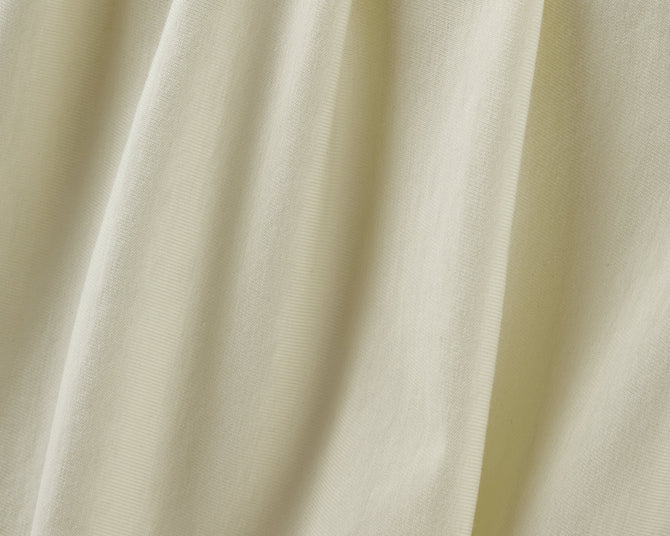
The combination creates a fabric with linen's natural drape and Tencel's smooth hand feel, enhanced through precision knitting techniques for consistent performance. Advanced blending methods, such as vortex spinning, ensure uniform fiber distribution, reducing seam slippage in high-stress garment areas like armholes and waistbands.
Key Benefits for Commercial Applications
- Enhanced Comfort Performance
- 30% higher moisture absorption than conventional linen (per Lenzing AG research), with rapid drying times of under 90 minutes in standard conditions.
- Thermoregulating properties ideal for urban commuting wear, maintaining a microclimate of 32°C ±2°C in varying humidity levels.
- Reduced pilling vs. pure linen due to Tencel's fiber strength (15% improvement in Martindale abrasion tests), extending garment lifespan for rental or resale programs.
- Sustainable Differentiation
- Biodegradable composition (certified by TÜV Austria), breaking down within 8 weeks in industrial composting vs. 200+ years for synthetic blends.
- Lower water consumption vs. traditional linen processing, using only 1,200 liters per kg compared to linen’s 2,500 liters (Textile Exchange benchmarks).
- Eligible for GRS (Global Recycled Standard) when incorporating recycled Tencel, with post-industrial waste content up to 30% without performance loss.
- Manufacturing Advantages
- Improved dye uptake efficiency (reducing chemical loads by 40% in exhaust dyeing processes), meeting ZDHC Level 3 standards.
- Minimal shrinkage (<3%) after industrial laundering, maintaining pattern integrity across 50+ wash cycles at 60°C.
- Compatible with digital printing for small-batch production, achieving 98% color accuracy on pre-treated substrates.
Industrial Use Cases
Tencel linen blends excel in:
- Performance-driven casualwear: Elevated polo shirts with moisture management, featuring underarm gussets knit at 18GG for targeted ventilation.
- Contemporary workwear: Structured yet breathable blazers using 220 GSM jacquard knits with reinforced collar stands.
- Travel-ready separates: Wrinkle-resistant knit dresses with airflow channels, achieving 60% faster recovery than woven equivalents in AATCC 128 tests.
- Hybrid activewear: Yoga pants with linen's texture and Tencel's stretch recovery, incorporating 5% elastane for 360° mobility.
How to Select Tencel Linen for Your Collection
Consider these technical specifications:
| Parameter | Optimal Range | Performance Impact |
|---|---|---|
| Blend ratio | 55% Tencel / 45% linen | Balances drape and structure |
| GSM range | 140-220 g/m² | Versatility across seasons |
| Knit structure | Interlock or jacquard | Enhances durability |
| Finish type | Enzyme-washed | Softens without chemicals |
For specialized applications, explore:
- Core-spun yarns: Tencel wraps linen cores for enhanced tensile strength (28% higher tear resistance in ASTM D5587 tests).
- Gradient blends: Variable ratios (e.g., 70/30 at stress points) for zoned performance in ergonomic workwear.
- Reactive coatings: Water-repellent treatments (DWR) for outerwear, maintaining 80% efficacy after 20 washes.
Sustainability Verification
Verify certifications when sourcing:
- FSC® C158995 for wood pulp traceability, with chain-of-custody documentation.
- EU Ecolabel for reduced environmental impact, including <100g CO2e per square meter production.
- Cradle to Cradle Certified® for circular design, ensuring recyclability at end-of-life.
Partner with mills that disclose:
- Energy consumption per meter (kWh/m), with benchmarks of ≤0.45 kWh for knitting and finishing.
- Wastewater treatment protocols, including pH neutralization and heavy metal filtration.
- Carbon footprint via Higg Index, scoring ≤25 for Material Sustainability Index (MSI).
Implementing Tencel Linen in Your Line
Tencel linen fabrics offer brands a strategic material solution that meets both functional demands and sustainability expectations. Their technical adaptability makes them suitable for everything from structured separates to fluid knits, providing a tangible point of differentiation in crowded markets. For B2B partners seeking engineered fabrics with authentic sustainability claims, Tencel linen blends represent a future-ready choice that performs beyond aesthetic appeal.
FAQ
What is Tencel linen fabric and how is it made?
Tencel linen is a blended fabric combining linen fibers, known for breathability and moisture-wicking, with Tencel™ lyocell, derived from responsibly sourced wood pulp. The blend merges linen's natural drape with Tencel's smooth texture through precision knitting techniques, ensuring uniform fiber distribution and enhanced performance.
What are the key benefits of Tencel linen for apparel brands?
Tencel linen offers enhanced comfort with 30% higher moisture absorption and rapid drying times, thermoregulating properties, and reduced pilling. It also provides sustainable differentiation with biodegradable composition, lower water consumption, and eligibility for GRS certification when using recycled Tencel.
How does Tencel linen contribute to sustainability in textiles?
Tencel linen is biodegradable, breaking down within 8 weeks in industrial composting, and uses only 1,200 liters of water per kg compared to linen’s 2,500 liters. It also meets ZDHC Level 3 standards with improved dye uptake efficiency, reducing chemical loads by 40%.
What manufacturing advantages does Tencel linen offer?
Tencel linen features minimal shrinkage (<3%) after industrial laundering, maintains pattern integrity over 50+ wash cycles, and is compatible with digital printing for small-batch production, achieving 98% color accuracy on pre-treated fabric.
How does Tencel linen compare to traditional linen in performance?
Tencel linen outperforms traditional linen with higher moisture absorption, faster drying times, and improved durability (15% better in abrasion tests). It also maintains thermoregulating properties and reduces skin friction due to Tencel's smooth finish, making it ideal for high-performance apparel.
Popular Fabric 2026
Describe your featured collection here


Related Blogs
Add a short description for your brand news

TENCEL™ × Wool Fabric GSM Guide: How to Choose 140g, 160g, or 200g for Different Garments

How to Choose the Right TENCEL™ Linen Fabric for Your Apparel Collection

How to Work with a Fabric Supplier on TENCEL™ Linen Collection Developme