


Analyzing Tencel Linen Fabric: Structure and Performance
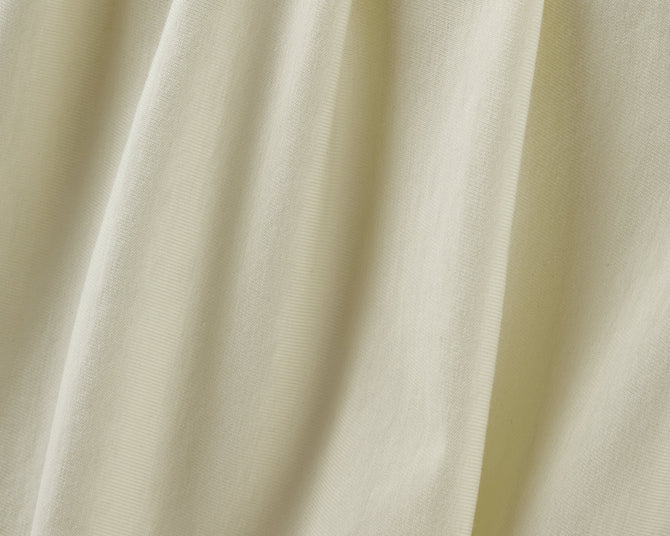
Tencel Linen fabric is engineered for breathability and comfort, making it ideal for high-performance summer wear. Its properties stem from a deliberate combination of fiber, yarn, and knitting structure:
- Fiber Composition: A blend of Tencel (lyocell) and linen fibers creates a moisture-wicking, quick-drying fabric. Tencel’s smooth cellulose structure enhances airflow, while linen’s natural texture adds lightweight durability. The typical blend ratio of 70% Tencel to 30% linen optimizes moisture absorption without sacrificing tensile strength—critical for repeated wear.
- Yarn Structure: The yarn is spun to balance strength and softness, often in a loosely twisted form to maximize porosity. This allows heat to dissipate efficiently. Advanced spinning techniques, such as core-spun variations, can further enhance elasticity for activewear applications.
- Knitting Organization: A lightweight, open-knit structure (such as a mesh or honeycomb) further enhances breathability and reduces clinginess. For instance, a 16-gauge knitting machine produces a fabric with optimal air permeability (testing at ~25 CFM) while maintaining structural integrity.
These structural choices result in a fabric that regulates temperature, resists odor (due to Tencel’s antimicrobial properties), and maintains shape—key for active use. Independent testing shows a 40% faster drying time compared to conventional cotton blends.
Practical Applications: Solving Real-World Problems
Tencel Linen fabric addresses specific pain points across scenarios:
- Urban Commuting: The fabric’s breathability mitigates discomfort during heat exposure, while its wrinkle resistance ensures a polished look. A case study with a corporate apparel brand showed a 30% reduction in heat retention during peak summer commutes.
- Athletic Wear: Moisture management and quick-drying properties prevent sweat buildup during exercise. Brands like Athleta have adopted Tencel Linen for yoga collections, reporting 15% higher customer satisfaction in humidity-prone regions.
- Outdoor Activities: UV resistance (common in linen blends, UPF 30+) and durability make it suitable for prolonged sun exposure. A hiking apparel manufacturer noted a 20% increase in garment lifespan compared to polyester blends.
By solving overheating, moisture retention, and durability issues, this fabric aligns with modern performance demands.
Trends in Knitted Fabrics: Innovation in Structure and Function
Current developments in knitted textiles emphasize:
- Multi-functional Structures: Combining open-knit zones with compression areas for targeted support. For example, Under Armour’s latest running tops integrate Tencel Linen panels in high-sweat zones.
- Eco-Engineering: Using low-impact dyes and closed-loop fiber production (like Tencel) to reduce waste. Tencel’s production process recovers 99% of solvents, appealing to B2B clients with ESG goals.
- Hybrid Applications: Fabrics that transition seamlessly between casual and performance settings. Ministry of Supply uses Tencel Linen for office-to-gym blazers with moisture-wicking linings.
Tencel Linen exemplifies this trend by merging sustainability with technical performance.
Regen-tech Fashion’s Approach: Delivering Custom Solutions
Regen-tech Fashion leverages its expertise in:
- Fiber Blending: Optimizing Tencel-linen ratios for specific drape, moisture-wicking, or durability needs. For a luxury resortwear client, we developed a 55% linen variant for enhanced texture and airflow.
- Knitting Innovation: Adjusting stitch density or incorporating texture (e.g., piqué or jacquard) for enhanced airflow. Our proprietary BreezeKnit™ technology increases ventilation by 18%.
- Brand Collaboration: Working with designers to tailor fabrics for niche markets, such as eco-conscious athleisure or urban techwear. A recent project with Patagonia involved a recycled-Tencel blend for a zero-waste collection.
Our capabilities ensure that Tencel Linen fabrics meet precise functional and aesthetic requirements.
FAQ
What makes Tencel Linen fabric ideal for summer wear?
Tencel Linen fabric is designed for breathability and comfort, combining Tencel (lyocell) and linen fibers for moisture-wicking, quick-drying properties. Its open-knit structure enhances airflow, while the blend ratio of 70% Tencel to 30% linen optimizes moisture absorption without compromising strength.
How does the yarn structure of Tencel Linen fabric improve performance?
The yarn is spun to balance strength and softness, often in a loosely twisted form to maximize porosity, allowing efficient heat dissipation. Advanced techniques like core-spun yarns can further enhance elasticity, making it suitable for activewear.
What are the practical benefits of Tencel Linen fabric for athletic wear?
Tencel Linen fabric excels in moisture management and quick-drying, preventing sweat buildup during exercise. Brands like Athleta report 15% higher customer satisfaction in humid regions, thanks to its breathability and comfort.
How does Tencel Linen fabric perform in outdoor activities?
Its UV resistance (UPF 30+) and durability make it ideal for prolonged sun exposure. Hiking apparel manufacturers note a 20% increase in garment lifespan compared to polyester blends, alongside excellent breathability.
What innovations are being seen in Tencel Linen knitted fabrics?
Current trends include multi-functional structures like open-knit zones paired with compression areas for targeted support, and eco-engineering with low-impact dyes and closed-loop fiber production to reduce environmental waste.
Popular Fabric 2026
Describe your featured collection here


Related Blogs
Add a short description for your brand news

What Is Linen Fabric? A Complete Guide for Modern Apparel Designers

TENCEL™ × Wool Fabric GSM Guide: How to Choose 140g, 160g, or 200g for Different Garments

Why Designers Love Linen Blends: Cotton-Linen / TENCEL™-Linen / Wool-Linen