
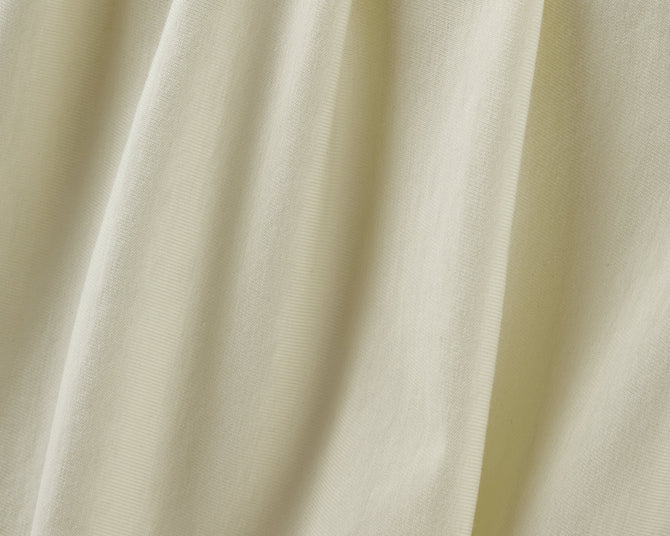



Global Supplier of Sustainable Blended Fabrics
We work with leading fashion brands and designers, offering in-stock fabrics, flexible low-MOQ programs, and fast response for efficient development and production.

Traceable & Responsible Knit Fabric Solutions at Flexible MOQ
✦ Traceable raw materials with responsible sourcing
✦ In-stock and low-MOQ support for agile development
✦ Testing-ready fabrics with quality inspection and compliance support
Explore Our Core Fabric Series
Regen-tech Fashion’s fabric range covers a broad selection of natural fibers and commonly used blended constructions, including Lenzing™ Lyocell, Merino wool, linen, cotton, and functional or recycled fiber blends. Designed to support diverse design and development needs, our fabrics are suitable for a wide range of applications.
Fabrics are available from stock or flexible low-quantity programs, and can be used for dyeing, printing, and related testing requirements, supporting efficient development and stable supply.


Popular Fabric 2026
Describe your featured collection here


Start Your Next Collection with Us
TENCEL™ Linen vs. Traditional Linen: What Makes the Difference?
TENCEL™ Linen vs. Traditional Linen: What Makes the Difference?
In the world of performance-driven and sustainable textiles, TENCEL™ Linen and traditional linen represent two distinct approaches to fabric innovation. For B2B buyers and designers, understanding the differences between these materials—ranging from fiber properties to sustainability credentials—can inform better sourcing decisions for urban commuting wear, athleisure, and modern lifestyle garments.
Fiber Origins and Sustainability
Traditional linen is derived from the flax plant, a crop known for its minimal water and pesticide requirements compared to cotton. However, its production still involves intensive processing to separate fibers from the woody stem, including retting (a microbial or chemical decomposition process) and mechanical scutching. While flax cultivation supports crop rotation benefits, its yield per acre remains lower than wood-based fibers, contributing to higher land-use intensity.
TENCEL™ Linen, on the other hand, combines the natural aesthetics of linen with the advanced technology of TENCEL™ Lyocell fibers (made from sustainably sourced wood pulp). The closed-loop production process, certified by the Forest Stewardship Council (FSC) and EU Ecolabel, recovers and reuses 99% of solvents, significantly reducing environmental impact. Additionally, TENCEL™ fibers are produced in controlled industrial settings, ensuring consistent quality and reducing the variability often seen in natural flax harvests.
Key sustainability advantages of TENCEL™ Linen:
- Lower water consumption: Requires up to 50% less water than traditional linen processing
- Biodegradable and compostable: Breaks down naturally in soil and marine environments within months (certified by OECD 301B)
- Traceable supply chain: FSC certification ensures wood pulp is sourced from responsibly managed forests
- Reduced chemical use: Eliminates the need for harsh retting agents used in traditional linen production
Performance and Functional Properties
While traditional linen is prized for its breathability and rustic texture, it has limitations:
- Prone to wrinkling and stiffness: Requires chemical treatments or blending with synthetics to improve wearability
- Limited elasticity: Restricts movement in activewear and form-fitting garments
- Gradual loss of shape: Weaves may loosen over time without reinforced blends
TENCEL™ Linen addresses these challenges by integrating the inherent benefits of TENCEL™ fibers:
- Enhanced drape and softness: Retains linen’s natural look with a smoother hand feel, reducing skin irritation in high-contact areas
- Moisture management: Wicks moisture 50% more efficiently than traditional linen (source: Lenzing AG), making it ideal for performance layers
- Durability: Higher tensile strength resists pilling and deformation, extending garment lifespan in commercial wash cycles
- Thermoregulation: Adapts to body temperature, ideal for urban commuting wear that transitions between indoor and outdoor environments
- Dimensional stability: Maintains shape after repeated washing, reducing returns and replacements for B2B buyers
B2B Applications and Practical Value
For brands developing technical apparel, TENCEL™ Linen offers versatile advantages:
- Knitted fabric adaptability: Seamlessly integrates with circular knitting for lightweight, structured fabrics that retain stretch recovery
- Dye efficiency: Achieves deeper color penetration than traditional linen, reducing dye lot inconsistencies and improving batch uniformity
- Low-friction texture: Reduces skin irritation in high-movement garments like athleisure and uniforms
- Blending flexibility: Combines with recycled polyester for moisture-wicking base layers or elastane for compression-activewear hybrids
Traditional linen remains a niche choice for:
- Heritage or artisanal collections: Where natural slubs and irregular weaves are part of the design aesthetic
- Dry-wrinkle finishes: Intentionally textured fabrics for casual or unstructured garments
- Non-stretch woven applications: Such as lightweight suiting or drape-focused silhouettes
Cost and Supply Chain Considerations
While traditional linen fluctuates in price due to seasonal harvests and geopolitical factors (e.g., European flax production bottlenecks), TENCEL™ Linen offers:
- Stable pricing: Less vulnerable to agricultural volatility, with predictable quarterly pricing models
- Faster lead times: Year-round production vs. flax’s annual harvest cycle, reducing delays for time-sensitive collections
- Custom engineering: Blending options with recycled polyester or elastane for functional hybrids without compromising sustainability claims
- Scalability: Consistent fiber quality supports large-volume orders, critical for B2B buyers sourcing for global retail chains
Conclusion
For B2B textile buyers prioritizing performance, sustainability, and supply chain reliability, TENCEL™ Linen presents a modern evolution of linen’s classic appeal. Its technical advantages—from moisture management to knitted fabric compatibility—make it a strategic choice for brands innovating in urban and activewear segments. Meanwhile, traditional linen retains its niche for designers seeking unprocessed, rustic authenticity. Evaluate your product’s functional requirements and sustainability goals to determine the optimal fit.
FAQ
What are the key sustainability differences between TENCEL™ Linen and traditional linen?
TENCEL™ Linen uses a closed-loop production process, reducing water consumption by up to 50% and eliminating harsh retting chemicals. It is biodegradable, FSC-certified, and sourced from responsibly managed forests, whereas traditional linen, while eco-friendly, has higher land-use intensity and involves more chemical processing.
How does TENCEL™ Linen improve upon the performance limitations of traditional linen?
TENCEL™ Linen offers enhanced drape, softness, and moisture-wicking properties, making it 50% more efficient at moisture management than traditional linen. It also provides better durability, resisting pilling and deformation, while traditional linen is prone to wrinkling, stiffness, and gradual loss of shape.
Is TENCEL™ Linen suitable for activewear and performance garments?
Yes, TENCEL™ Linen is ideal for activewear due to its moisture-wicking capabilities, higher tensile strength, and improved elasticity compared to traditional linen, which lacks stretch and restricts movement in form-fitting designs.
How does the production process of TENCEL™ Linen compare to traditional linen?
TENCEL™ Linen is produced in controlled industrial settings using sustainably sourced wood pulp, ensuring consistent quality. Traditional linen relies on flax plant processing, which involves retting and scutching, leading to variability in fiber quality and higher environmental impact.
What certifications validate the sustainability claims of TENCEL™ Linen?
TENCEL™ Linen is certified by the Forest Stewardship Council (FSC) and EU Ecolabel, ensuring responsible wood sourcing and minimal environmental impact. It also meets OECD 301B standards for biodegradability, unlike traditional linen, which lacks such comprehensive certifications.
Global Fabric Sourcing & Supply Network
Regen-tech Fashion is a differentiated knit fabric supplier and manufacturer serving fashion brands, designers, and apparel partners worldwide. Our fabric portfolio covers natural and blended fiber options—including Lenzing™ Lyocell, Merino wool, linen, cotton, and commonly used blends such as viscose, polyester, nylon, modal, and spandex—supporting modern product development with reliable supply and consistent quality.
We offer 4 key programs:
-
Ready Stock (core knit qualities with stable availability and flexible quantities)
-
Low-MOQ Development (sampling and small-batch programs for agile collections)
-
Custom Production (fabric development, finishing options, and structured quality control)
-
Testing & Compliance Support (inspection coordination, test requests, and documentation support)
Explore our fabric series to match your next collection—from everyday essentials to structured knits and active-inspired blends. For inquiries or support, contact our team for fabric recommendations, availability, and order guidance.
Related Blogs
Add a short description for your brand news

Tencel™ vs Generic Lyocell: What’s the Real Difference?

Machine Washable TENCEL™ Wool: What Makes It Possible (and What Doesn’t)

Why Designers Love Linen Blends: Cotton-Linen / TENCEL™-Linen / Wool-Linen