
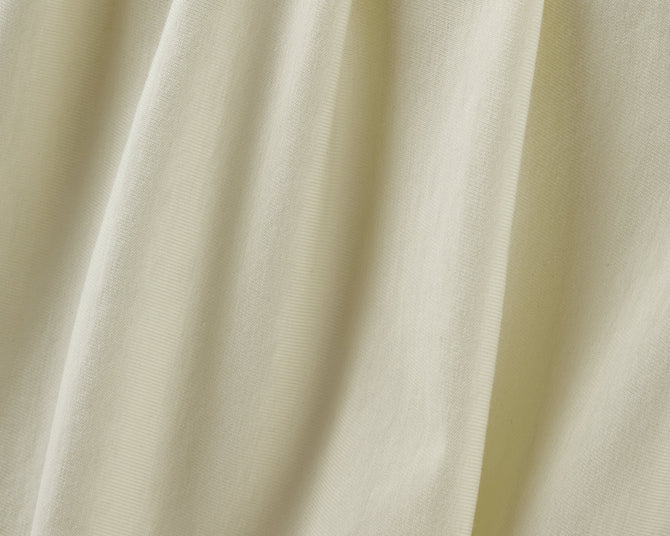



Scuba Fabric vs Ponte Knit: Key Differences for Fashion Brands
When sourcing performance-driven fabrics for modern apparel, fashion brands often evaluate scuba fabric and ponte knit—two structurally distinct materials with unique advantages. As a B2B textile supplier, Regen-tech Fashion specializes in engineered knitted fabrics that balance functionality and aesthetics. Below, we break down the technical and practical differences between these two fabrics to help brands make informed sourcing decisions.
Fabric Composition and Structure
Scuba Fabric:
- A double-layered knit fabric with a sandwiched middle layer, typically made from polyester or nylon, often incorporating elastane (5–10%) for slight stretch.
- The bonded construction creates a compressible yet resilient texture, with weights ranging from 250–400 GSM (grams per square meter), ideal for structured designs.
- Known for its stiffness and dimensional stability, making it ideal for garments like skirts, blazers, and tailored dresses that require crisp lines without interfacing.
- The air-pocketed structure provides lightweight insulation—useful for transitional seasons—and a subtle textured finish that hides seams for a clean aesthetic.
Ponte Knit:
- A stable double-knit fabric, often blended with rayon (for breathability), polyester (for durability), and spandex (15–20%) for superior stretch recovery.
- Softer and more fluid than scuba, with a smoother surface and weights between 200–300 GSM, suited for draped silhouettes, leggings, and fitted tops that demand contouring.
- Offers four-way stretch, enabling dynamic movement in activewear and all-day comfort in office-appropriate ponte pants or sheath dresses.
- The tight interlock weave reduces fraying, a key advantage for high-stress seams in performance apparel.
Performance and Durability
- Scuba fabric excels in shape retention due to its dense, bonded layers, resisting wrinkles and sagging even after repeated wear. Its colorfastness is exceptional, with prints and dyes adhering deeply to synthetic fibers—ideal for bold, saturated designs. Scuba’s moisture-wicking properties also make it a candidate for tech-focused urban wear.
- Ponte knit prioritizes mobility and recovery, with spandex content ensuring garments return to shape after stretching. Its durability is bolstered by tight knitting techniques, reducing pilling even in high-friction areas like underarms or thighs. Ponte’s natural-fiber variants (e.g., rayon blends) offer better breathability for all-season wear.
Both fabrics are low-maintenance, machine-washable, and resistant to shrinkage—key considerations for brands targeting busy consumers. However, scuba’s thickness may require gentle cycles, while ponte’s stretch benefits from cold water to preserve elasticity.
Sustainability Considerations
Regen-tech Fashion integrates eco-conscious practices into both fabric types:
- Recycled polyester (rPET) options, sourced from post-consumer waste, reduce reliance on virgin materials, aligning with global standards like the Global Recycled Standard (GRS). Scuba’s synthetic base is particularly adaptable to recycled content without sacrificing performance.
- Low-impact dyeing processes, such as waterless dye technologies for polyester, minimize chemical use, supported by certifications like OEKO-TEX® STeP.
- Ponte knit’s natural-fiber blends (e.g., TENCEL™ Lyocell) offer biodegradable alternatives, with closed-loop production reducing environmental footprint. Blends with organic cotton further enhance sustainability for casual wear lines.
B2B Use Cases and Applications
Scuba Fabric Ideal For:
- Structured outerwear: Urban commuting jackets with laser-cut detailing or quilted scuba vests for lightweight warmth.
- A-line skirts and peplum tops requiring volume: The fabric’s rigidity holds pleats and flares without additional stiffening.
- Tech-infused athleisure: Scuba’s moisture-wicking properties pair well with reflective prints for running gear or cycling apparel.
Ponte Knit Ideal For:
- High-stretch athleisure: Yoga pants with built-in compression or seamless sports bras for unrestricted movement.
- Tailored office wear: Ponte blazers with stretch panels for comfort during long wear, or pencil skirts that retain shape.
- Layered winterwear: Ponte’s thermal retention makes it a candidate for lightweight sweater dresses or insulated turtlenecks.
Choosing the Right Fabric for Your Brand
Consider these factors when sourcing:
- Design Intent: Scuba for sculptural, architectural shapes (e.g., avant-garde separates); ponte for stretch-driven, body-conscious designs (e.g., curve-hugging midi dresses).
- End Use: Scuba’s rigidity suits outerwear or statement pieces; ponte’s flexibility enhances activewear or all-day comfort staples.
- Sustainability Goals: Both fabrics can be engineered with recycled or low-impact materials—opt for GRS-certified scuba or TENCEL™-blended ponte to meet eco-standards.
Final Thoughts
FAQ
What is the main structural difference between scuba fabric and ponte knit?
Scuba fabric is a double-layered knit with a sandwiched middle layer, offering stiffness and dimensional stability, while ponte knit is a stable double-knit fabric with a smoother surface and superior stretch recovery due to higher spandex content.
Which fabric is better for structured garments like blazers or tailored dresses?
Scuba fabric is ideal for structured garments due to its stiffness, compressible yet resilient texture, and ability to maintain crisp lines without interfacing.
How does ponte knit perform in terms of stretch and comfort compared to scuba fabric?
Ponte knit offers four-way stretch and superior recovery, making it softer and more fluid than scuba fabric. It’s better suited for draped silhouettes, leggings, and fitted tops that require dynamic movement and all-day comfort.
What are the weight ranges for scuba fabric and ponte knit?
Scuba fabric typically ranges from 250–400 GSM, making it heavier and more structured, while ponte knit ranges between 200–300 GSM, offering a lighter and more flexible option.
Which fabric is more suitable for moisture-wicking and tech-focused urban wear?
Scuba fabric excels in moisture-wicking and shape retention, making it a strong candidate for tech-focused urban wear, while ponte knit is better for breathability and comfort in all-season garments.
Popular Fabric 2026
Describe your featured collection here


Related Blogs
Add a short description for your brand news

The Rise of Athleisure: What It Means for Knit Fabric Innovation

TENCEL™ × Wool Fabric GSM Guide: How to Choose 140g, 160g, or 200g for Different Garments

Best Uses for Lyocell: From Luxury Loungewear to Technical Activewear