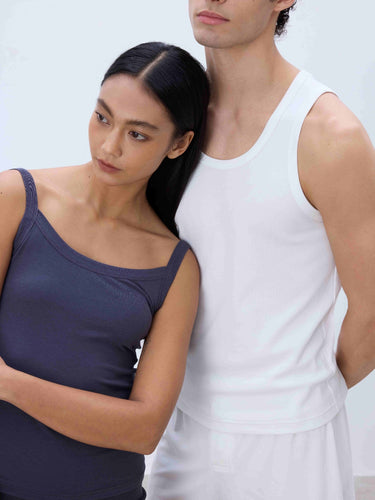
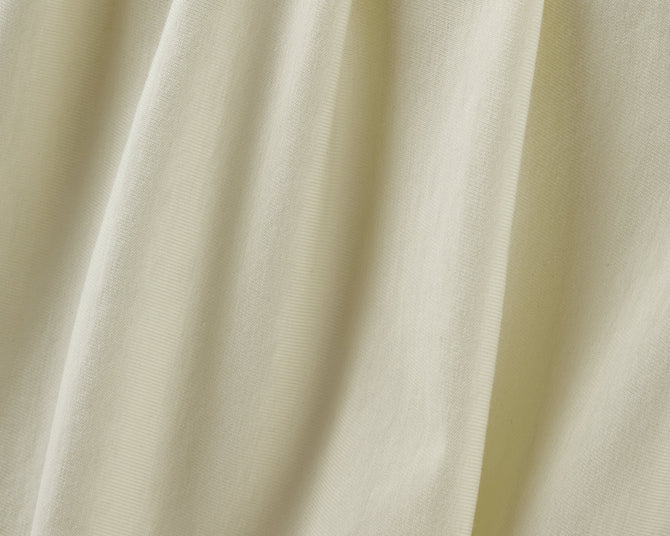



Global Supplier of Sustainable Blended Fabrics
We work with leading fashion brands and designers, offering in-stock fabrics, flexible low-MOQ programs, and fast response for efficient development and production.

Traceable & Responsible Knit Fabric Solutions at Flexible MOQ
✦ Traceable raw materials with responsible sourcing
✦ In-stock and low-MOQ support for agile development
✦ Testing-ready fabrics with quality inspection and compliance support
Explore Our Core Fabric Series
Regen-tech Fashion’s fabric range covers a broad selection of natural fibers and commonly used blended constructions, including Lenzing™ Lyocell, Merino wool, linen, cotton, and functional or recycled fiber blends. Designed to support diverse design and development needs, our fabrics are suitable for a wide range of applications.
Fabrics are available from stock or flexible low-quantity programs, and can be used for dyeing, printing, and related testing requirements, supporting efficient development and stable supply.


Popular Fabric 2026
Describe your featured collection here


Start Your Next Collection with Us
scuba fabric
The Structural Engineering Behind Scuba Fabric
Scuba fabric is a performance-driven knitted textile that derives its properties from systematic engineering across three key dimensions:
- Fiber Composition:
- Typically blends polyester/spandex (85%/15%) for balanced stretch recovery
- High-tenacity polyester variants improve dimensional stability (≤3% shrinkage after wash)
- Antimicrobial fiber treatments can be integrated during polymerization (e.g., silver-ion infusion)
- UV-resistant additives for outdoor applications (UPF 50+ options)
- Yarn Architecture:
- Core-spun construction with spandex center provides 360° stretch
- Twin-ply yarns enhance fabric density (180-220 gsm) without compromising flexibility
- Variable twist levels allow targeted compression properties (15-25 mmHg medical-grade options)
- Micro-channel yarns for enhanced moisture transport (wicking rate <0.5s)
- Knitting Structure:
- Double-knit interlock construction creates the signature smooth face
- Technical variations in loop length control thickness (1.5-3mm range)
- Strategic float stitches can be engineered for zoned breathability (differential CFM ratings)
- Seamless tube knitting for athleticwear reduces chafing points
This tri-level engineering creates a fabric with:
- Immediate stretch recovery (≤5% residual stretch after 10,000 cycles)
- Consistent surface opacity (85-92% light blockage)
- 4-way elasticity with directional modulus control (X:Y 1:1.2 ratio options)
- Industrial wash durability (50+ cycles before pilling threshold)
Scenario-Specific Performance Advantages
Urban Commuting:
- Maintains structure during prolonged sitting (office/transit) with <2% seat deformation
- Resists pilling from backpack/seatbelt friction (Martindale 40,000+ cycles)
- Quick-drying properties (≤2hr dry time) handle unexpected rain
- Stain-resistant finishes repel coffee/food spills (3M Scotchgard compatible)
Performance Casual:
- Moisture-wicking channels move sweat laterally (1.5L/m²/hr evaporation rate)
- Recovery after stretching accommodates dynamic movements (golf swing simulations)
- Anti-static treatment prevents cling during layering (<0.5kV surface potential)
- Thermoregulating variants maintain comfort across 50-85°F environments
Travel Applications:
- Compressible structure enables efficient packing (3:1 volume reduction)
- Wrinkle-resistant properties maintain presentation (AATCC 128 <1.5 rating)
- Odor-control variants reduce laundering frequency (50% VOC reduction)
- RFID-blocking versions protect digital security (99.9% signal attenuation)
Current Technical Evolution in Knitted Fabrics
Scuba fabric is evolving beyond its traditional applications through:
- Structural Hybridization:
- Incorporation of spacer mesh sections for targeted ventilation (30% airflow increase)
- Gradient density knitting for zone-specific support (compression mapping)
- Hybrid constructions with monofilament for shape retention
- Sustainable Engineering:
- Post-consumer recycled polyester with maintained performance (GRS-certified options)
- Bio-based spandex alternatives entering technical validation (37% plant-derived)
- Closed-loop dyeing compatibility for cleaner production (ZDHC compliant)
- Biodegradable additive packages for end-of-life scenarios
- Smart Integration:
- Conductive yarn integration for wearable tech compatibility (5Ghz NFC antennae)
- Phase-change material coatings for thermal regulation (±5°F modulation)
- Surface treatments enabling UV adaptive protection (UPF 20-50 dynamic range)
- Microencapsulated aroma therapy for wellness applications
Regen-tech's Solution-Oriented Approach
Our technical knitting capabilities allow brands to:
- Develop application-specific variants through:
- Custom gauge adjustments (12-18GG range)
- Strategic fiber placement (variable elastane distribution)
- Performance mapping for targeted areas (impact zones, flex points)
- Custom finishes (hydrophilic, hydrophobic, or amphiphilic)
- Solve common development challenges like:
- Balancing compression with mobility in performance wear (dynamic tension modeling)
- Achieving colorfastness on high-stretch substrates (migration-resistant dyes)
- Maintaining ecological standards without sacrificing durability (OEKO-TEX® compliance)
- Overcoming dye limitations in recycled fiber applications
- Implement differentiated aesthetics through:
- Structural texture patterns (non-printed visual interest)
- Variable sheen effects via yarn modification (60° gloss range 5-25GU)
- Dimensional stability for clean seam execution (≤1mm seam grin)
- Tonal depth through fiber cross-section engineering
The Future of Engineered Knits
FAQ
What is the typical fiber composition of scuba fabric and why is it important?
Scuba fabric typically consists of an 85% polyester and 15% spandex blend. This composition provides balanced stretch recovery, with high-tenacity polyester ensuring dimensional stability (≤3% shrinkage after wash). Antimicrobial treatments and UV-resistant additives can also be integrated for specialized applications.
How does the knitting structure of scuba fabric contribute to its performance?
Scuba fabric uses a double-knit interlock construction, creating a smooth surface and controlled thickness (1.5-3mm). Strategic float stitches allow for zoned breathability, while seamless tube knitting reduces chafing, making it ideal for athleticwear. This structure ensures immediate stretch recovery and industrial wash durability.
What makes scuba fabric suitable for urban commuting?
Scuba fabric is ideal for urban commuting due to its resistance to pilling (Martindale 40,000+ cycles), quick-drying properties (≤2hr dry time), and stain-resistant finishes. It also maintains structure during prolonged sitting with <2% seat deformation, making it practical for office or transit use.
Can scuba fabric be used for performance casual wear?
Yes, scuba fabric excels in performance casual wear. Its moisture-wicking channels (1.5L/m²/hr evaporation rate) and stretch recovery accommodate dynamic movements like golf swings. Anti-static treatments prevent cling, and thermoregulating variants ensure comfort across 50-85°F environments.
What are the benefits of scuba fabric for travel applications?
Scuba fabric is highly compressible (3:1 volume reduction), wrinkle-resistant (AATCC 128 <1.5 rating), and available in odor-control variants to reduce laundering frequency. Some versions even offer RFID-blocking properties (99.9% signal attenuation), making it a secure and practical choice for travel.
Global Fabric Sourcing & Supply Network
Regen-tech Fashion is a differentiated knit fabric supplier and manufacturer serving fashion brands, designers, and apparel partners worldwide. Our fabric portfolio covers natural and blended fiber options—including Lenzing™ Lyocell, Merino wool, linen, cotton, and commonly used blends such as viscose, polyester, nylon, modal, and spandex—supporting modern product development with reliable supply and consistent quality.
We offer 4 key programs:
-
Ready Stock (core knit qualities with stable availability and flexible quantities)
-
Low-MOQ Development (sampling and small-batch programs for agile collections)
-
Custom Production (fabric development, finishing options, and structured quality control)
-
Testing & Compliance Support (inspection coordination, test requests, and documentation support)
Explore our fabric series to match your next collection—from everyday essentials to structured knits and active-inspired blends. For inquiries or support, contact our team for fabric recommendations, availability, and order guidance.
Related Blogs
Add a short description for your brand news

Best Uses for Lyocell: From Luxury Loungewear to Technical Activewear

How Durable Is Lyocell? Tensile Strength and Pilling Resistance Explained

TENCEL™ × Wool Fabric GSM Guide: How to Choose 140g, 160g, or 200g for Different Garments