


The Rise of Neutral Tones and Minimalist Textures in Men’s Fashion
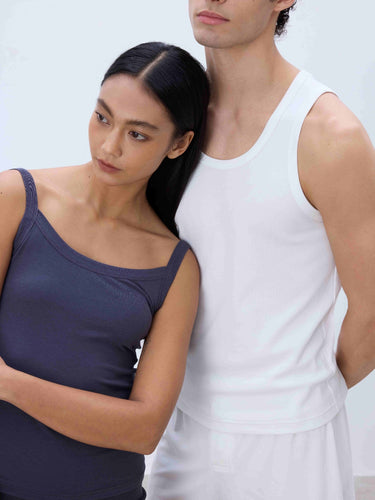
Neutral tones and minimalist textures are redefining modern men’s fashion, offering versatility, sophistication, and timeless appeal. For B2B buyers and brands, understanding the fabric innovations behind these trends is key to delivering high-quality, performance-driven apparel. Regen-tech Fashion’s engineered knitted fabrics excel in this space, combining technical precision with understated elegance. The demand for these fabrics is driven by consumers seeking wardrobe staples that transcend seasonal trends, reducing the need for frequent replacements while maintaining a polished aesthetic.
Why Neutral Tones Matter in Performance Fabrics
Neutral palettes—think shades of beige, gray, taupe, and muted earth tones—are no longer just aesthetic choices. They align with the growing demand for adaptable, seasonless wardrobes. From urban commuting wear to elevated athleisure, these hues offer:
- Broad market appeal: Neutral tones cater to diverse demographics and styling preferences, making them a safe yet sophisticated choice for brands targeting global markets. For instance, a muted olive or stone gray can seamlessly fit into both corporate and casual collections.
- Easy layering: Seamless integration into capsule wardrobes for mix-and-match versatility. A single neutral-toned blazer can pair with multiple trousers or knitwear, maximizing outfit combinations.
- Reduced dye waste: Lighter color processing supports sustainable textile production, aligning with initiatives like the Sustainable Apparel Coalition’s Higg Index. Neutral shades often require less dye and fewer chemical treatments, reducing environmental impact.
Regen-tech’s knitted fabrics leverage precision dyeing techniques, such as low-liquor ratio dyeing, to achieve rich, fade-resistant neutrals without compromising eco-efficiency. The result is a palette that meets Pantone standards while adhering to sustainability benchmarks.
Minimalist Textures: The Power of Structural Engineering
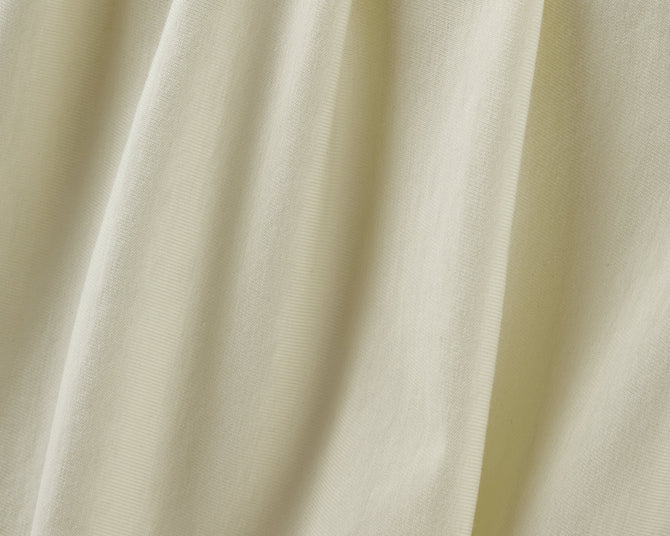
Minimalism in texture doesn’t mean sacrificing depth. Regen-tech’s fabrics use advanced knitting technologies to create subtle yet functional textures, such as:
- Micro-ribbing: Adds stretch recovery for comfort in tailored activewear, ideal for performance trousers or hybrid shirts that require flexibility without losing shape.
- Brushed finishes: Enhances softness without bulk, ideal for lightweight outerwear. This technique creates a luxurious hand feel while maintaining breathability, perfect for transitional jackets.
- Geometric jacquards: Low-profile patterns that elevate visual interest without overpowering designs. For example, a subtle herringbone knit adds sophistication to polos or sweaters while maintaining a minimalist ethos.
These textures are engineered for tactile sophistication while maintaining performance attributes like moisture-wicking, breathability, and durability—critical for brands targeting the modern lifestyle segment. Additionally, Regen-tech’s proprietary knitting machines allow for precise tension control, ensuring consistent texture across large production runs.
Sustainability Meets Performance
Regen-tech’s commitment to sustainable innovation is evident in its fabric construction:
- Blended eco-fibers: Incorporation of recycled polyester (rPET) and bio-based materials like Tencel™, certified by Global Recycled Standard (GRS). These blends reduce reliance on virgin materials while enhancing moisture management and durability.
- Low-impact processes: Energy-efficient knitting and dyeing methods reduce water and chemical use. For example, their air-jet dyeing technology cuts water consumption by up to 50% compared to traditional methods.
- Longevity-focused design: Fabrics resist pilling and color degradation, extending garment lifecycles. Anti-abrasion treatments ensure that neutral tones remain vibrant even after repeated washes, a key selling point for B2B clients focused on quality.
For B2B partners, this translates to scalable, eco-conscious production without sacrificing technical performance. Brands can leverage these fabrics to meet both consumer demand for sustainability and corporate ESG goals.
B2B Applications: Where Form Meets Function
Regen-tech’s neutral-toned, minimalist fabrics are ideal for:
- Urban commuting wear: Sleek, stretchable knits for tailored joggers and performance blazers. For example, a moisture-wicking, neutral-gray fabric can be used for a blazer that transitions from office to evening wear.
- Athleisure hybrids: Breathable, textured fabrics that transition from gym to casual settings. A taupe-toned brushed knit is perfect for hoodies or relaxed-fit tees that cater to the work-from-anywhere demographic.
- Minimalist outerwear: Lightweight layers with refined matte finishes for year-round wear. A beige, water-resistant micro-rib fabric can be engineered into a packable travel jacket for frequent business travelers.
Brands like Ministry of Supply and Outlier exemplify how these fabrics bridge aesthetics and utility in high-demand markets. For B2B buyers, these applications highlight the fabric’s adaptability across product categories, reducing the need for multiple material SKUs.
Conclusion
FAQ
Why are neutral tones like beige and gray gaining popularity in men's fashion?
Neutral tones offer broad market appeal, easy layering versatility, and reduced dye waste, aligning with the demand for adaptable, seasonless wardrobes and sustainable textile production.
How do minimalist textures enhance performance fabrics in men's apparel?
Minimalist textures like micro-ribbing, brushed finishes, and geometric jacquards add functional depth—improving stretch recovery, softness, and visual interest—while maintaining a clean, sophisticated aesthetic.
What sustainable advantages do neutral-toned fabrics provide for brands?
Neutral shades often require less dye and fewer chemical treatments, reducing environmental impact. Techniques like low-liquor ratio dyeing further minimize waste while achieving fade-resistant colors.
How can brands leverage neutral tones for versatile wardrobe styling?
Neutral tones enable seamless mix-and-match capabilities, allowing pieces like blazers or trousers to pair effortlessly across multiple outfits, maximizing wardrobe efficiency.
What knitting technologies are used to create minimalist textures in performance fabrics?
Advanced techniques like micro-ribbing for stretch, brushed finishes for softness, and geometric jacquards for subtle patterns combine tactile sophistication with functional performance in tailored activewear and outerwear.
Popular Fabric 2026
Describe your featured collection here


Related Blogs
Add a short description for your brand news

Beyond Fast and Slow: How Smart Fabrics Are Redefining Fashion’s Future

How Lyocell Supports Circular Fashion and Low-Impact Design?

The Rise of Linen in Luxury Fashion: From Casual to Quiet Luxury