


Global Supplier of Sustainable Blended Fabrics
We work with leading fashion brands and designers, offering in-stock fabrics, flexible low-MOQ programs, and fast response for efficient development and production.

Traceable & Responsible Knit Fabric Solutions at Flexible MOQ
✦ Traceable raw materials with responsible sourcing
✦ In-stock and low-MOQ support for agile development
✦ Testing-ready fabrics with quality inspection and compliance support
Explore Our Core Fabric Series
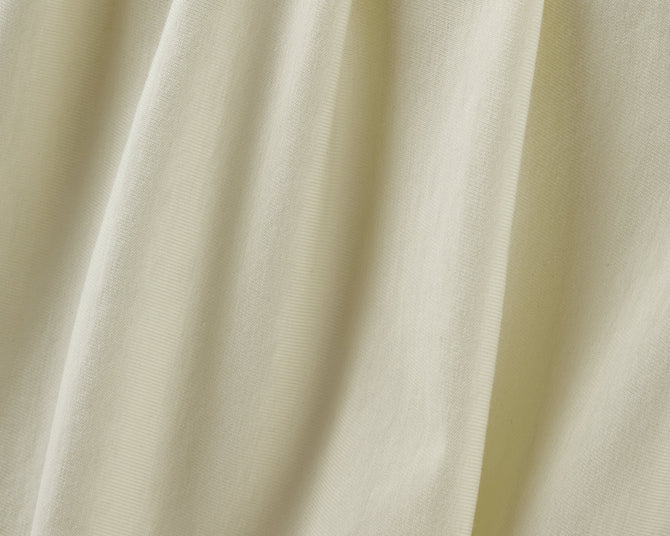
Regen-tech Fashion’s fabric range covers a broad selection of natural fibers and commonly used blended constructions, including Lenzing™ Lyocell, Merino wool, linen, cotton, and functional or recycled fiber blends. Designed to support diverse design and development needs, our fabrics are suitable for a wide range of applications.
Fabrics are available from stock or flexible low-quantity programs, and can be used for dyeing, printing, and related testing requirements, supporting efficient development and stable supply.


Popular Fabric 2026
Describe your featured collection here


Start Your Next Collection with Us
Knit Structures Used in Athleisure Fabrics Explained
Knit Structures Used in Athleisure Fabrics Explained
Athleisure fabrics demand a unique balance of performance, comfort, and visual appeal. At Regen-tech Fashion, we engineer knitted fabrics that excel in these areas through advanced knit structures, fiber selection, and yarn engineering. This article explores the key knit structures used in athleisure fabrics, their functional benefits, and how they enhance performance for modern lifestyle garments.
Why Knit Structures Matter in Athleisure
Knit structures define how a fabric behaves, influencing stretch, breathability, moisture management, and durability. Unlike woven fabrics, knits offer inherent flexibility, making them ideal for active and casual wear. Key advantages include:
- Dynamic stretch and recovery for unrestricted movement, critical for high-mobility activities like yoga or cycling.
- Lightweight breathability to regulate body temperature, with open structures like mesh allowing airflow rates up to 12 CFM (cubic feet per minute).
- Moisture-wicking properties to keep wearers dry, with some performance knits transferring moisture 50% faster than standard cotton.
- Durability to withstand repeated wear and washing, with interlock knits maintaining integrity after 50+ industrial launderings.
Common Knit Structures in Athleisure Fabrics
1. Jersey Knit
The most basic knit structure, jersey knit, is soft, lightweight, and drapes well. It’s commonly used for T-shirts and base layers. However, modern variations incorporate blended yarns (like polyester-spandex) to enhance performance. Advanced versions feature brushed interiors for added warmth or antimicrobial finishes for odor control.
- Best for: Everyday comfort, lightweight layering, or as a base for printed designs.
- Key properties: Smooth surface, moderate stretch (typically 20-30% crosswise), breathable with 70-100 gsm weight range.
2. Rib Knit
Rib knit features vertical ridges, offering excellent elasticity. It’s often used for cuffs, collars, and waistbands due to its high recovery. Innovations include alternating rib widths (e.g., 1x1 vs. 2x2) to fine-tune compression levels.
- Best for: Areas requiring high stretch retention (e.g., sleeves, hems) or contour-fitting bands in leggings.
- Key properties: Strong crosswise stretch (up to 50%), dimensional stability, and recovery rates exceeding 90%.
3. Interlock Knit
A double-knit structure that’s thicker and more stable than jersey. It provides a smooth surface on both sides, reducing curling at the edges. Brands use interlock for structured athleisure pieces, often blending nylon for abrasion resistance in high-wear areas like backpack straps.
- Best for: Structured athleisure pieces like polo shirts or lightweight jackets needing drape without bulk.
- Key properties: Balanced stretch (15-25% elongation), durability (withstands 10,000+ Martindale rub tests), wrinkle resistance.
4. Piqué Knit
Recognizable by its textured, waffle-like surface, piqué knit enhances breathability and adds visual interest. Engineered piqués now integrate conductive yarns for smartwear compatibility or UV-resistant treatments for outdoor use.
- Best for: Performance polo shirts, sporty casualwear, or garments needing a polished technical look.
- Key properties: Air permeability (30% higher than jersey), moisture management, textured aesthetics hiding minor wrinkles.
5. Mesh Knit
An open, breathable structure designed for maximum airflow. Often used in panels or full garments for activewear. Laser-cut or bonded mesh variants offer seamless integration with other knits for targeted ventilation.
- Best for: Ventilation zones in performance wear, running gear, or as a layering fabric for temperature regulation.
- Key properties: Ultra-lightweight (as low as 40 gsm), high breathability (up to 95% air porosity), quick-drying (dries 2x faster than solid knits).
Performance-Enhancing Variations
Beyond basic structures, engineered knits amplify functionality:
- Compression knits: Tight, graduated tension for muscle support (common in recovery wear), with 20-30 mmHg pressure zones for medical-grade benefits.
- Double-knit constructions: Combine two layers for insulation (thermal knits retain heat at 0.5 clo) or abrasion resistance (e.g., reinforced knees in workwear).
- Hybrid knits: Integrate multiple structures in one fabric (e.g., mesh panels within jersey) or 3D-knit zones for targeted stretch and support.
Sustainability in Knit Fabric Engineering
Regen-tech Fashion prioritizes eco-conscious production through:
- Recycled fibers: Using post-consumer polyester (rPET) and regenerated nylon (Econyl®), with 85% lower water footprint than virgin materials.
- Low-impact dyes: Reducing water and chemical usage (certified by OEKO-TEX®), with some processes cutting dye effluent by 60%.
- Closed-loop knitting: Minimizing waste through precise yarn utilization, achieving <2% material loss versus industry averages of 10-15%.
Research from the Textile Exchange shows recycled polyester can reduce carbon emissions by up to 30% compared to virgin polyester, aligning with brand sustainability goals.
B2B Applications: Matching Knits to Product Needs
Athleisure brands select knit structures based on end-use requirements:
| Garment Type | Recommended Knit | Performance Benefit | Technical Spec Example |
|---|---|---|---|
| Yoga leggings | High-stretch interlock/spandex | 360° mobility, shape retention | 40% stretch, 80 gsm, 4-way recovery |
| Running tops | Mesh/jersey hybrid | Ventilation, sweat evaporation | 60% mesh coverage, 100 gsm |
| Commuter blazers | Stretch piqué | Wrinkle resistance, polished look | 15% spandex blend, 180 gsm |
Why Partner with Regen-tech Fashion?
Our expertise lies in structural innovation—developing fabrics that solve specific challenges. Whether you need moisture-wicking knits for high-intensity wear or sustainable blends for eco-conscious lines, we engineer solutions backed by:
- Technical testing (ISO 6330 for wash durability, ASTM D2594 for stretch recovery, AATCC 195 for moisture management).
- Custom development for unique brand aesthetics, including jacquard patterns or custom dye profiles.
- Scalable production to meet commercial demands, with MOQs as low as 500 yards for prototyping.
FAQ
What are the key advantages of knit structures in athleisure fabrics?
Knit structures offer dynamic stretch and recovery, lightweight breathability, moisture-wicking properties, and durability, making them ideal for active and casual wear.
How does jersey knit differ from other knit structures in athleisure fabrics?
Jersey knit is soft, lightweight, and drapes well, commonly used for T-shirts and base layers. Modern variations include blended yarns for enhanced performance, such as polyester-spandex for better stretch and moisture management.
What makes rib knit suitable for cuffs and waistbands in athleisure wear?
Rib knit features vertical ridges, providing excellent elasticity and high recovery, making it ideal for areas requiring strong stretch retention, such as cuffs, collars, and waistbands.
Why is interlock knit preferred for structured athleisure pieces?
Interlock knit is thicker and more stable than jersey, offering a smooth surface on both sides and reducing edge curling. It provides balanced stretch and durability, making it suitable for structured athleisure pieces like polo shirts and lightweight jackets.
How do advanced knit structures enhance moisture management in athleisure fabrics?
Advanced knit structures, such as those with moisture-wicking finishes or open mesh designs, can transfer moisture up to 50% faster than standard cotton, keeping wearers dry during physical activities.
Global Fabric Sourcing & Supply Network
Regen-tech Fashion is a differentiated knit fabric supplier and manufacturer serving fashion brands, designers, and apparel partners worldwide. Our fabric portfolio covers natural and blended fiber options—including Lenzing™ Lyocell, Merino wool, linen, cotton, and commonly used blends such as viscose, polyester, nylon, modal, and spandex—supporting modern product development with reliable supply and consistent quality.
We offer 4 key programs:
-
Ready Stock (core knit qualities with stable availability and flexible quantities)
-
Low-MOQ Development (sampling and small-batch programs for agile collections)
-
Custom Production (fabric development, finishing options, and structured quality control)
-
Testing & Compliance Support (inspection coordination, test requests, and documentation support)
Explore our fabric series to match your next collection—from everyday essentials to structured knits and active-inspired blends. For inquiries or support, contact our team for fabric recommendations, availability, and order guidance.
Related Blogs
Add a short description for your brand news

Best Knit Fabrics for Athleisure: Performance Meets Style

The Rise of Athleisure: What It Means for Knit Fabric Innovation

The Rise of Relaxed Performance Fabrics: The Future of Comfort in Activewear