
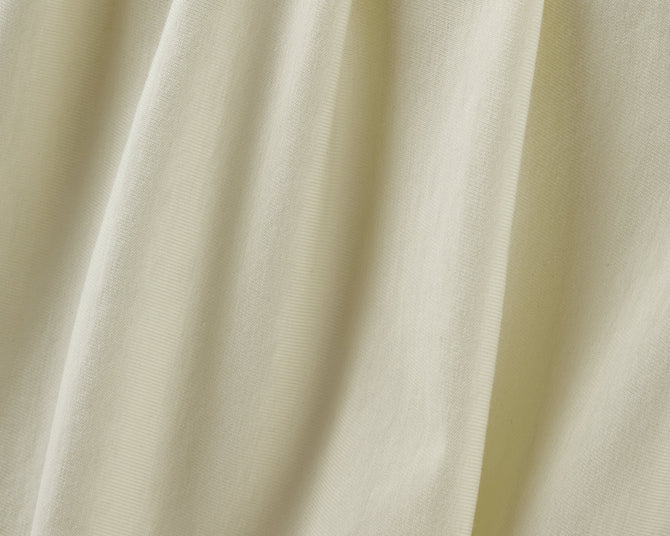



Global Supplier of Sustainable Blended Fabrics
We work with leading fashion brands and designers, offering in-stock fabrics, flexible low-MOQ programs, and fast response for efficient development and production.

Traceable & Responsible Knit Fabric Solutions at Flexible MOQ
✦ Traceable raw materials with responsible sourcing
✦ In-stock and low-MOQ support for agile development
✦ Testing-ready fabrics with quality inspection and compliance support
Explore Our Core Fabric Series
Regen-tech Fashion’s fabric range covers a broad selection of natural fibers and commonly used blended constructions, including Lenzing™ Lyocell, Merino wool, linen, cotton, and functional or recycled fiber blends. Designed to support diverse design and development needs, our fabrics are suitable for a wide range of applications.
Fabrics are available from stock or flexible low-quantity programs, and can be used for dyeing, printing, and related testing requirements, supporting efficient development and stable supply.


Popular Fabric 2026
Describe your featured collection here


Start Your Next Collection with Us
How Certified Fibers Support More Transparent Apparel Supply Chains
How Certified Fibers Support More Transparent Apparel Supply Chains
Transparency in apparel supply chains is no longer optional—it's a necessity. For B2B textile buyers and manufacturers, certified fibers offer a tangible way to ensure traceability, sustainability, and performance. Regen-tech Fashion leverages certified fibers to create structurally engineered knitted fabrics that meet the demands of modern urban commuting wear, athleisure, and lifestyle garments. These fabrics are designed to withstand rigorous use while aligning with the ethical and environmental standards demanded by today’s consumers and regulatory bodies. Here’s how certified fibers contribute to a more transparent supply chain and why they’re a smart investment for forward-thinking brands.
The Role of Certified Fibers in Supply Chain Transparency
Certified fibers, such as those verified by the Global Recycled Standard (GRS), OEKO-TEX®, or the Organic Content Standard (OCS), provide a clear audit trail from raw material to finished fabric. These certifications ensure:
- Traceability: Every stage of production is documented, from fiber sourcing to yarn spinning and fabric knitting. For example, GRS-certified recycled polyester can be traced back to post-consumer plastic bottles, with verifiable documentation at each processing step.
- Sustainability: Certified fibers often come with environmental credentials, such as reduced water usage (up to 20% less in organic cotton cultivation) or lower carbon footprints (recycled polyester cuts CO2 emissions by 30% compared to virgin polyester).
- Quality Assurance: Compliance with international standards ensures consistent performance and durability. OEKO-TEX® certification, for instance, guarantees fabrics are free from harmful substances, making them safe for direct skin contact.
For Regen-tech Fashion, using certified fibers means delivering fabrics that align with the values of eco-conscious brands and retailers while meeting stringent technical requirements. This dual focus on ethics and performance is critical for B2B partnerships in competitive markets.
Fabric Properties Enhanced by Certified Fibers
Certified fibers aren’t just about compliance—they enhance fabric performance. Regen-tech’s knitted fabrics benefit from:
- Improved Durability: Fibers like REPREVE® recycled polyester are engineered for longevity, with tensile strengths comparable to virgin materials. This makes them ideal for high-stress applications like cycling apparel or reusable bags, where abrasion resistance is critical.
- Enhanced Moisture Management: Certified natural fibers, such as OCS-certified organic cotton, offer superior breathability and comfort for active lifestyles. Blended with performance fibers like TENCEL™, they create fabrics with moisture-wicking properties that rival synthetic alternatives.
- Consistent Aesthetic Quality: Dyeability and colorfastness are optimized, ensuring vibrant, long-lasting hues even after repeated washes. For instance, GRS-certified fabrics undergo rigorous testing for color retention, a key selling point for brands targeting eco-conscious consumers.
These properties make certified fiber-based fabrics ideal for brands prioritizing both sustainability and performance, without compromising on aesthetics or functionality.
B2B Use Cases: Where Transparency Meets Functionality
Regen-tech Fashion’s certified fiber fabrics are designed for real-world applications, offering tangible benefits for B2B buyers:
- Urban Commuting Wear: Durable, moisture-wicking fabrics for backpacks and outerwear, such as GRS-certified nylon blends with water-repellent finishes. These materials are tested for 50,000+ abrasion cycles, ensuring longevity for daily use.
- Athleisure: Stretchable, breathable knits for seamless movement, like OEKO-TEX®-certified polyester-spandex blends with 4-way stretch. Ideal for yoga wear or running leggings, these fabrics combine performance with peace of mind.
- Lifestyle Garments: Soft, textured fabrics with minimal environmental impact, such as OCS-certified organic cotton fleece for hoodies or loungewear. These cater to brands targeting the growing demand for sustainable casualwear.
By partnering with suppliers like Regen-tech, brands can confidently market their products as both high-performance and sustainable, leveraging certifications to differentiate in crowded markets.
The Future of Transparent Supply Chains
As consumer demand for accountability grows, certified fibers will play an even larger role in apparel manufacturing. Organizations like the Textile Exchange and the Sustainable Apparel Coalition are driving industry-wide adoption of transparent practices, with initiatives like the Higg Index benchmarking sustainability metrics. Regen-tech Fashion remains committed to innovating with certified fibers, exploring advancements like blockchain-based traceability for real-time supply chain visibility. These efforts ensure brands can meet evolving regulations (e.g., the EU’s Digital Product Passport) while future-proofing their sourcing strategies.
Conclusion
FAQ
What are certified fibers and why are they important for apparel supply chains?
Certified fibers are materials verified by standards like GRS, OEKO-TEX®, or OCS, ensuring traceability, sustainability, and quality. They provide a documented audit trail from raw material to finished fabric, helping brands meet ethical and environmental demands while ensuring performance and compliance.
How do certified fibers improve supply chain transparency?
Certified fibers offer traceability by documenting every production stage, from sourcing to processing. For example, GRS-certified recycled polyester can be traced back to post-consumer plastic bottles, while OEKO-TEX® ensures fabrics are free from harmful substances, enhancing accountability and trust in the supply chain.
What sustainability benefits do certified fibers provide?
Certified fibers often reduce environmental impact—organic cotton uses 20% less water, and recycled polyester cuts CO2 emissions by 30% compared to virgin polyester. These credentials align with eco-conscious consumer preferences and regulatory requirements.
How do certified fibers enhance fabric performance?
Certified fibers improve durability (e.g., REPREVE® recycled polyester for abrasion resistance), moisture management (OCS organic cotton blended with TENCEL™ for breathability), and aesthetic quality (optimized dyeability and colorfastness), meeting technical demands for active and lifestyle wear.
Why should fashion brands invest in fabrics made with certified fibers?
Fabrics with certified fibers combine ethical sourcing with high performance, appealing to eco-conscious consumers and retailers. They ensure compliance with international standards, reduce environmental impact, and deliver durable, functional materials—key for competitive B2B partnerships.
Global Fabric Sourcing & Supply Network
Regen-tech Fashion is a differentiated knit fabric supplier and manufacturer serving fashion brands, designers, and apparel partners worldwide. Our fabric portfolio covers natural and blended fiber options—including Lenzing™ Lyocell, Merino wool, linen, cotton, and commonly used blends such as viscose, polyester, nylon, modal, and spandex—supporting modern product development with reliable supply and consistent quality.
We offer 4 key programs:
-
Ready Stock (core knit qualities with stable availability and flexible quantities)
-
Low-MOQ Development (sampling and small-batch programs for agile collections)
-
Custom Production (fabric development, finishing options, and structured quality control)
-
Testing & Compliance Support (inspection coordination, test requests, and documentation support)
Explore our fabric series to match your next collection—from everyday essentials to structured knits and active-inspired blends. For inquiries or support, contact our team for fabric recommendations, availability, and order guidance.
Related Blogs
Add a short description for your brand news

What Is Linen Fabric? A Complete Guide for Modern Apparel Designers

Lyocell vs Cotton 2026: Which Fabric Performs Better in Modern Apparel?

Intertextile Shanghai 2026 Spring Buyer Guide: How to Source Apparel Fabrics in China Efficiently