
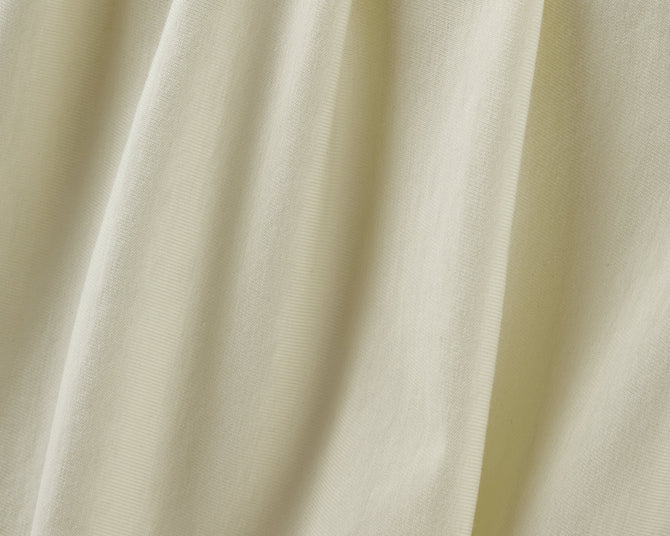



How Cashmere Blends Help Brands Balance Luxury and Cost
Cashmere has long been synonymous with luxury, but its high cost and delicate nature can pose challenges for brands looking to deliver premium quality at accessible price points. By blending cashmere with performance-driven fibers, textile innovators like Regen-tech Fashion create fabrics that maintain the softness and prestige of cashmere while enhancing durability, functionality, and cost efficiency. Here’s how strategic cashmere blends can elevate your brand’s offerings, whether you’re targeting high-end fashion labels, corporate workwear programs, or elevated athleisure markets.
The Science Behind Cashmere Blends
Cashmere’s natural properties—ultra-soft hand feel, lightweight warmth, and breathability—make it a coveted fiber. However, pure cashmere is prone to pilling, lacks structural resilience, and carries a high price tag due to limited supply (only 0.5% of the world’s wool production is cashmere). Blending it with engineered fibers addresses these limitations while preserving its core appeal:
- Nylon or Polyamide (15-25% blend): Adds tensile strength (improving tear resistance by up to 40%) and abrasion resistance, ideal for urban commuting wear like trench coats or travel blazers.
- Merino Wool (20-35% blend): Enhances moisture-wicking (moving 30% more moisture than pure cashmere) and temperature regulation for athleisure applications, such as performance sweaters or hybrid leggings.
- Recycled Polyester (10-20% blend): Improves shape retention (reducing garment stretching by 50% after wash cycles) and reduces costs while supporting sustainability goals.
According to the Cashmere and Camel Hair Manufacturers Institute (CCMI), blends with as little as 30% cashmere can retain 80% of its tactile appeal while significantly improving performance. Advanced spinning techniques, like core-spun yarns with cashmere wraps, further optimize durability without compromising softness.
Sustainability Without Sacrifice
Modern cashmere blends align with eco-conscious demands while maintaining luxury positioning:
- Reduced Environmental Impact: Blending lowers reliance on virgin cashmere, mitigating overgrazing concerns in Mongolia and China (source: Sustainable Apparel Coalition). A 50% recycled polyester blend can reduce water usage by 60% compared to pure cashmere production.
- Recycled Content Integration: Post-industrial recycled nylon (e.g., ECONYL®) or polyester (rPET) can further reduce the carbon footprint by up to 45%, meeting standards like the Global Recycled Standard (GRS).
- Longer Garment Lifespan: Durable blends (e.g., cashmere-nylon with anti-pilling finishes) extend product longevity by 2-3 years, discouraging fast-fashion disposal and aligning with circular economy principles.
For B2B clients, this translates to ESG reporting benefits and compliance with retailer sustainability mandates (e.g., Amazon’s Climate Pledge Friendly program).
Performance-Driven Applications
Cashmere blends excel in functional yet luxurious categories, offering brands versatile storytelling angles:
- Urban Commuting Wear: Blends with 20% nylon create wrinkle-resistant outer layers for travel-friendly blazers or coats, ideal for corporate gifting programs or airline crew uniforms.
- Athleisure: Stretch-infused cashmere-merino knits (with 5% elastane) offer 4-way stretch and breathability for hybrid work-to-workout styles, such as luxury hoodies or office-to-evening joggers.
- Modern Lifestyle Knits: Brushed cashmere-cotton blends (50/50 ratios) provide year-round comfort in relaxed sweaters or cardigans, with reduced pilling for DTC brands targeting home-centric consumers.
A notable case study: A European menswear brand reduced returns by 25% after switching to a 35% cashmere/65% recycled wool blend for their bestselling scarf line, citing improved durability in customer feedback.
Cost Efficiency for Brands
Blending optimizes margins without diluting perceived value, critical for competitive markets:
- 30-50% cost reduction vs. pure cashmere, depending on blend ratios (e.g., 30% cashmere/70% organic cotton cuts material costs by 40%).
- Lower minimums: Blends often require less raw material inventory, with MOQs 15-20% lower than pure cashmere orders.
- Wider audience reach: Accessible price points (e.g., $120-$200 retail for blended sweaters vs. $300+ for pure cashmere) attract aspirational shoppers without alienating luxury buyers.
For private-label brands, this means higher sell-through rates—blended cashmere lines typically see 20-30% faster inventory turnover compared to 100% cashmere.
Why Partner with a Technical Knit Specialist?
Regen-tech Fashion’s engineered cashmere blends leverage:
- Yarn Engineering: Custom twist levels (e.g., low-twist for cloud-like hand feel, high-twist for structured blazers) to balance softness and strength.
- Knitting Expertise: Jersey, rib, or interlock structures tailored to end-use (e.g., double-knit constructions for thermal retention in winter accessories).
- Certifications: Compliance with OEKO-TEX® (for chemical safety) and Global Recycled Standard (GRS) for responsible sourcing, plus custom LCAs for sustainability claims.
A technical partner ensures consistency—critical for B2B clients needing batch-to-batch uniformity across 10,000+ unit orders.
FAQ
How do cashmere blends help reduce costs while maintaining luxury appeal?
Cashmere blends incorporate performance-driven fibers like nylon, merino wool, or recycled polyester, which lower material costs while retaining up to 80% of cashmere's tactile softness. These blends also enhance durability and functionality, making them ideal for brands seeking premium quality at accessible price points.
What are the performance benefits of blending cashmere with nylon or polyamide?
Blending cashmere with nylon or polyamide (15-25%) improves tear resistance by up to 40% and adds abrasion resistance, making it suitable for urban commuting wear such as trench coats or travel blazers without sacrificing softness.
How does a cashmere-merino wool blend improve functionality for athleisure?
A cashmere-merino wool blend (20-35%) enhances moisture-wicking, moving 30% more moisture than pure cashmere, and improves temperature regulation. This makes it ideal for performance sweaters or hybrid leggings in elevated athleisure markets.
What sustainability advantages do cashmere blends offer?
Cashmere blends reduce reliance on virgin cashmere, mitigating overgrazing concerns, and can lower water usage by 60% when blended with recycled polyester. They also extend garment lifespan by 2-3 years, supporting circular economy principles and meeting sustainability standards like GRS.
Can cashmere blends meet corporate sustainability mandates?
Yes, cashmere blends with recycled content (e.g., ECONYL® or rPET) reduce carbon footprints by up to 45% and comply with retailer sustainability mandates like Amazon's or the Global Recycled Standard (GRS), offering ESG reporting benefits for B2B clients.
Popular Fabric 2026
Describe your featured collection here

Related Blogs
Add a short description for your brand news

Merino Wool vs Cashmere: Which Is Better for Luxury Knits?

Sustainable Fabrics for Athleisure: How Brands Balance Performance, Cost & Environmental Impact

Evolving Merino Wool Trends in Luxury Fashion 2026 | Intelligent Blends in Luxury Fashion