
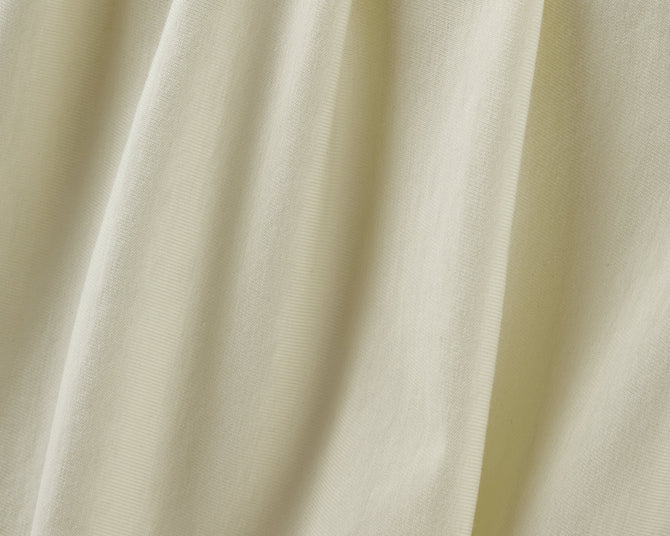



Global Supplier of Sustainable Blended Fabrics
We work with leading fashion brands and designers, offering in-stock fabrics, flexible low-MOQ programs, and fast response for efficient development and production.

Traceable & Responsible Knit Fabric Solutions at Flexible MOQ
✦ Traceable raw materials with responsible sourcing
✦ In-stock and low-MOQ support for agile development
✦ Testing-ready fabrics with quality inspection and compliance support
Explore Our Core Fabric Series
Regen-tech Fashion’s fabric range covers a broad selection of natural fibers and commonly used blended constructions, including Lenzing™ Lyocell, Merino wool, linen, cotton, and functional or recycled fiber blends. Designed to support diverse design and development needs, our fabrics are suitable for a wide range of applications.
Fabrics are available from stock or flexible low-quantity programs, and can be used for dyeing, printing, and related testing requirements, supporting efficient development and stable supply.


Popular Fabric 2026
Describe your featured collection here


Start Your Next Collection with Us
Cutting and Sewing Considerations for Scuba Knit Fabric
Cutting and Sewing Considerations for Scuba Knit Fabric: A Structural and Functional Analysis
Scuba knit fabric is a versatile material widely used in performance-driven apparel, from urban commuting wear to athleisure. Its unique properties stem from a carefully engineered combination of fiber composition, yarn structure, and knitting organization. Understanding these elements is critical for optimizing cutting, sewing, and end-use performance. Here’s a systematic breakdown:
1. Fabric Structure: The Foundation of Performance
- Fiber Composition: Scuba knits often blend synthetic fibers like polyester or nylon with elastane (typically 10-20%). Polyester provides durability and moisture-wicking properties, while elastane ensures controlled stretch. For sustainable options, recycled polyester (rPET) certified by Global Recycled Standard (GRS) can be incorporated without compromising performance. High-grade polyester variants may also include antimicrobial treatments (e.g., silver-ion technology) for odor control, a key requirement for activewear brands.
- Yarn Structure: High-tenacity yarns are plied or core-spun with elastane to create a stable yet elastic base. This minimizes distortion during cutting and sewing, ensuring consistent garment dimensions. For high-performance applications, yarns may undergo additional texturizing processes to enhance loft and breathability, such as air-jet texturing or false-twist crimping.
- Knitting Organization: Scuba knits typically use double-knit or interlock structures, resulting in a dense, two-faced fabric. This construction enhances recovery, reduces edge curling, and provides inherent wrinkle resistance. Advanced knitting techniques, such as variable gauge patterning, allow localized reinforcement in high-stress areas (e.g., knee panels in performance leggings).
2. Core Properties and Their Structural Origins
Scuba knit’s performance is defined by four key properties:
- Elasticity: Achieved through elastane integration and interlock knitting, offering 20-30% stretch with excellent recovery. This reduces seam stress during wear. The fabric’s mechanical stretch (tested to ASTM D2594) ensures uniform tension across seams, critical for form-fitting designs like compression wear or swimwear.
- Breathability: Micro-pores in the double-knit structure allow airflow, while moisture-wicking fibers (e.g., polyester) regulate humidity. For enhanced climate control, some variants incorporate hydrophilic coatings or laser-perforated ventilation zones.
- Support: The dense knit provides mild compression, ideal for motion control in athleisure. Brands targeting medical or recovery wear may opt for graduated compression knits (15-20 mmHg) to improve circulation.
- Wrinkle Resistance: Tight loops in the interlock structure resist deformation, maintaining a polished look after packing or prolonged wear. This property is quantified through AATCC 128 testing, with premium scuba knits achieving <2% residual creasing after 24 hours.
3. Solving Practical Problems Across Use Cases
Scuba knit’s adaptability addresses specific challenges in various scenarios:
- Urban Commuting: The fabric’s wrinkle resistance and structured drape ensure professional aesthetics, even during long hours of wear. Its breathability mitigates discomfort in crowded environments. For corporate uniforms, stain-resistant finishes (e.g., fluorocarbon treatments) extend garment longevity.
- Athleisure: Balanced elasticity and support accommodate dynamic movements without sagging, while moisture management keeps wearers dry. Seamless knitting variants eliminate chafing points, a premium feature for yoga or cycling apparel.
- Outdoor Activities: UV-resistant polyester variants (tested to AATCC 183) protect against sun exposure, and the fabric’s quick-drying properties suit variable weather. For extreme conditions, windproof laminates can be bonded to the knit without compromising stretch.
4. Regen-tech Fashion’s Solutions for Brand Development
Regen-tech Fashion leverages its expertise in engineered knits to enhance scuba fabric applications:
- Customization: Adjusting elastane percentages or knit density tailors hand feel and performance for specific brands. For example, a denser knit (18-20 gauge) suits structured blazers, while a lighter version (14-16 gauge) works for draped tops. Custom dyeing (e.g., solution-dyed polyester) ensures colorfastness for swimwear or outdoor gear.
- Sustainability: Offering GRS-certified recycled scuba knits aligns with eco-conscious brand mandates without sacrificing functionality. Waterless dyeing and closed-loop production further reduce environmental impact.
- Technical Support: Providing cutting guidelines (e.g., rotary cutting for precision) and stitch recommendations (e.g., narrow zigzag seams to preserve stretch) ensures manufacturability. For high-volume production, automated spreading systems minimize fabric waste, while bonded seams replace traditional stitching for clean finishes.
FAQ
What fiber composition is typically used in scuba knit fabric, and why?
Scuba knit fabric often blends synthetic fibers like polyester or nylon with elastane (10-20%). Polyester provides durability and moisture-wicking properties, while elastane ensures controlled stretch. Recycled polyester (rPET) can also be used for sustainability without compromising performance.
How does the knitting structure of scuba knit fabric affect its performance?
Scuba knits typically use double-knit or interlock structures, creating a dense, two-faced fabric. This enhances recovery, reduces edge curling, and provides wrinkle resistance. Advanced techniques like variable gauge patterning allow localized reinforcement in high-stress areas.
What are the key properties of scuba knit fabric, and how are they achieved?
Scuba knit's key properties include elasticity (20-30% stretch with excellent recovery), breathability (micro-pores in the knit structure), support (mild compression), and wrinkle resistance (tight loops in the interlock structure). These are achieved through fiber blends, knitting techniques, and yarn treatments.
How can scuba knit fabric be optimized for cutting and sewing?
High-tenacity yarns and stable knit structures minimize distortion during cutting and sewing. Uniform tension across seams is ensured by the fabric's mechanical stretch, tested to ASTM D2594. This is critical for form-fitting designs like compression wear or swimwear.
Are there sustainable options for scuba knit fabric, and what certifications should buyers look for?
Yes, recycled polyester (rPET) can be used in scuba knit fabric. Buyers should look for certifications like the Global Recycled Standard (GRS) to ensure sustainability. These options maintain performance while reducing environmental impact.
Global Fabric Sourcing & Supply Network
Regen-tech Fashion is a differentiated knit fabric supplier and manufacturer serving fashion brands, designers, and apparel partners worldwide. Our fabric portfolio covers natural and blended fiber options—including Lenzing™ Lyocell, Merino wool, linen, cotton, and commonly used blends such as viscose, polyester, nylon, modal, and spandex—supporting modern product development with reliable supply and consistent quality.
We offer 4 key programs:
-
Ready Stock (core knit qualities with stable availability and flexible quantities)
-
Low-MOQ Development (sampling and small-batch programs for agile collections)
-
Custom Production (fabric development, finishing options, and structured quality control)
-
Testing & Compliance Support (inspection coordination, test requests, and documentation support)
Explore our fabric series to match your next collection—from everyday essentials to structured knits and active-inspired blends. For inquiries or support, contact our team for fabric recommendations, availability, and order guidance.
Related Blogs
Add a short description for your brand news

TENCEL™ × Wool Fabric GSM Guide: How to Choose 140g, 160g, or 200g for Different Garments

Best Uses for Lyocell: From Luxury Loungewear to Technical Activewear

How Durable Is Lyocell? Tensile Strength and Pilling Resistance Explained