
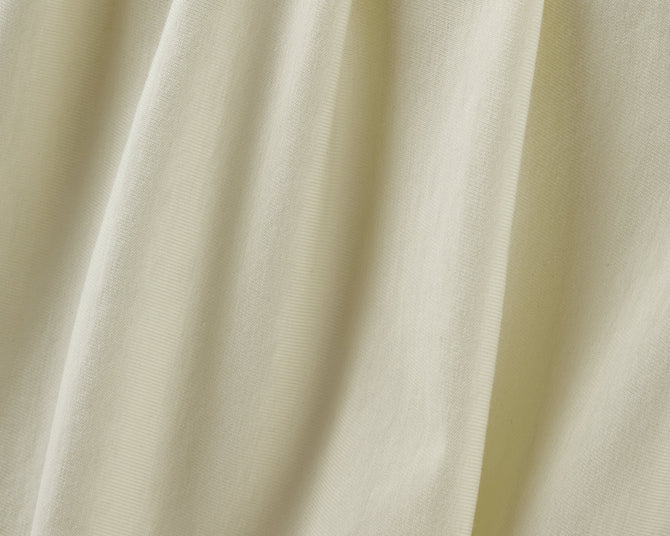



Cotton vs Modal: Which One Feels Softer and Lasts Longer?
When selecting fabrics for performance-driven apparel, B2B buyers often weigh the merits of natural fibers like cotton against semi-synthetic alternatives like modal. Both are popular choices for knitted fabrics, but their differences in softness, durability, and sustainability make them suited to distinct applications. Here’s a technical breakdown to guide your sourcing decisions, including fiber properties, manufacturing innovations, and real-world B2B use cases.
Fiber Origins and Sustainability
- Cotton: A natural fiber derived from the cotton plant, often praised for its breathability and biodegradability. Conventional cotton farming consumes approximately 2,700 liters of water per kilogram of fiber (World Wildlife Fund), making it resource-intensive. However, advancements in organic and regenerative cotton farming have reduced water usage by up to 91% compared to conventional methods (Textile Exchange). B2B buyers should look for Global Organic Textile Standard (GOTS) or Better Cotton Initiative (BCI) certifications to ensure sustainable sourcing.
- Modal: A type of rayon made from regenerated cellulose, typically sourced from beech trees. Unlike traditional rayon, modal production employs closed-loop processes that recycle up to 95% of solvents, significantly reducing environmental impact. Brands like Lenzing Modal® are certified by the Forest Stewardship Council (FSC), ensuring sustainable forestry practices. For eco-conscious brands, modal’s lower water footprint (up to 20 times less than cotton) and biodegradability make it a compelling alternative.
Softness and Hand Feel
- Cotton: Softens over time with washing but can initially feel slightly coarse, especially in heavier knit constructions. Its natural fibers provide a familiar, breathable texture ideal for everyday wear. For premium applications, combed or mercerized cotton offers a smoother hand feel, reducing pilling and enhancing luster.
- Modal: Known for its inherent silk-like softness, even in its unwashed state. The fiber’s smooth surface and drape make it a premium choice for luxe athleisure and intimate apparel. Modal’s moisture-wicking properties also contribute to a cooler, more comfortable wear, ideal for performance-driven layers.
Durability and Performance
- Cotton: Strong when dry but loses up to 30% of its tensile strength when wet (Cotton Incorporated), making it less suitable for high-performance activewear. Prone to pilling and shrinkage without proper finishing treatments, cotton benefits from pre-shrunk or enzyme-washed processes to enhance longevity.
- Modal: Retains strength when wet and resists pilling due to its long fiber structure. However, it’s more susceptible to stretching over time unless blended with stabilizing fibers like spandex or polyester. For B2B buyers, modal’s durability in moisture-rich environments (e.g., sportswear or travel apparel) makes it a versatile choice.
B2B Use Cases
- Cotton: Best for:
- Casual wear (e.g., relaxed-fit tees, sweatshirts) due to its breathability and natural comfort.
- Breathable base layers in workwear or uniform collections, where durability and ease of care are prioritized.
- Sustainable collections using organic or recycled cotton, appealing to eco-conscious consumers.
- Modal: Ideal for:
- High-end activewear and athleisure, where drape and moisture management are critical.
- Drapey knitwear with a luxe hand feel, such as premium loungewear or resortwear.
- Moisture-wicking underlayers when blended with performance fibers like elastane for added stretch and recovery.
Blending for Optimal Performance
Many Regen-tech Fashion fabrics combine cotton and modal to balance softness, durability, and sustainability. For example:
- A 70% modal/30% cotton blend enhances drape while maintaining structure, perfect for elevated basics like relaxed-fit sweaters or flowy dresses.
- Adding 5-10% spandex improves recovery in fitted garments, such as leggings or performance tees.
- For heathered fabrics, blending recycled cotton with modal creates a textured, eco-friendly finish ideal for casualwear.
Conclusion
FAQ
Which fabric is more sustainable: cotton or modal?
Modal generally has a lower environmental impact, using up to 20 times less water than conventional cotton and employing closed-loop production processes. However, organic or regenerative cotton with certifications like GOTS or BCI can also be sustainable options.
Which fabric feels softer: cotton or modal?
Modal is known for its inherent silk-like softness, even in its unwashed state, while cotton softens over time with washing but may initially feel coarser, especially in heavier knits.
How does the durability of cotton compare to modal?
Cotton loses up to 30% of its tensile strength when wet and is prone to pilling, while modal retains strength when wet and resists pilling due to its long fiber structure, though it may stretch over time.
What are the best applications for cotton fabric?
Cotton is ideal for everyday wear due to its breathability and natural texture. For premium applications, combed or mercerized cotton offers a smoother feel and reduced pilling.
What are the best applications for modal fabric?
Modal is a premium choice for luxe athleisure, intimate apparel, and performance-driven layers due to its softness, moisture-wicking properties, and cool, comfortable wear.
Popular Fabric 2026
Describe your featured collection here


Related Blogs
Add a short description for your brand news

Linen vs Cotton: Which Is Better for Summer Wear?

Merino Wool vs Cotton: Which Fabric Performs Better in All-Season Wear?

Lyocell vs Cotton 2026: Which Fabric Performs Better in Modern Apparel?