


Why Cashmere-Modal Blends Excel in Lightweight Knit Tops
Cashmere is often associated with winter sweaters, but it can also bring a distinctive touch to lightweight knitted tops. Even a small percentage of cashmere can introduce a softer, more luxurious feel to everyday garments, making it an appealing choice for brands developing elevated essentials.
When combined with modal, cashmere contributes its characteristic softness and gentle warmth, while modal brings a smooth touch, fluid drape, and excellent moisture absorption. Together, these fibers can create lightweight knitted fabrics that feel refined against the skin without the bulk typically associated with heavier cashmere garments.
Cotton or fine merino wool may also be incorporated to achieve different textures and wearing experiences. Cotton can provide a familiar, comfortable foundation for everyday T-shirts, while merino wool adds its own soft, insulating qualities to lightweight layering fabrics.
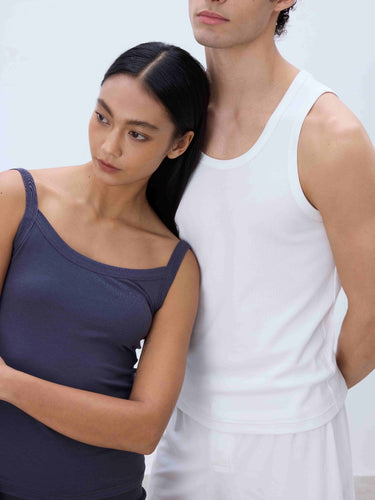
For apparel brands, these combinations offer a way to elevate familiar silhouettes through material selection rather than elaborate design. From relaxed crew-neck T-shirts to fitted long-sleeve tops and soft loungewear, cashmere-modal blends can bring a more premium character to everyday clothing.
Fabric Characteristics That Shape Garment Performance
The appeal of cashmere-modal knitted fabrics lies in how their fiber properties interact with yarn selection, knit construction, and finishing.
- Softness & Hand Feel: Cashmere is valued for its fine fibers and exceptionally soft touch, while modal is known for its smooth, gentle feel against the skin. Their combination can create a refined, next-to-skin experience, especially in lightweight tops and layering pieces where comfort is essential.
- Drape & Silhouette: Modal contributes a fluid, supple drape that works particularly well in relaxed T-shirts, camisoles, and softly fitted tops. Cashmere adds a delicate, luxurious hand feel, while the fabric's weight and knit density determine whether the finished garment appears flowing, softly structured, or more body-hugging.
- Stretch & Recovery: Knitted constructions naturally offer mechanical stretch through their looped structure. Single jersey typically provides comfortable flexibility, while rib knits can accommodate greater expansion and closer-fitting silhouettes. However, stretch recovery depends on the overall fabric construction, yarn characteristics, and whether elastane is incorporated. Modal alone does not guarantee long-term shape retention.
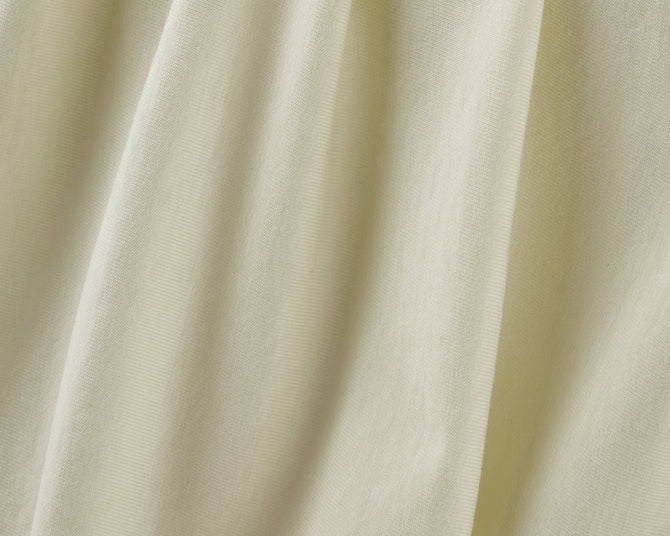
- Surface Texture & Appearance: Cashmere-modal blends can offer a soft, refined surface with a subtle luster. Depending on yarn and finishing choices, the appearance may range from clean and smooth to gently fuzzy or brushed. These qualities suit minimalist designs, understated colors, and premium everyday collections where the material itself becomes a defining feature.
Selecting the Right Blend for Your Design Objective
Different fiber combinations and knitted constructions can deliver noticeably different results. Rather than relying on a single ideal cashmere-modal ratio, brands should select their fabric according to the intended garment, desired hand feel, and target market.
- For Premium Everyday T-Shirts: A cotton-modal-cashmere jersey offers an approachable way to introduce cashmere into familiar basics. For example, Regen-tech Fashion's fabric 6612 combines 60% cotton, 35% modal, and 5% cashmere in a lightweight 130 GSM single-jersey construction. Cotton provides a comfortable everyday foundation, modal contributes softness and drape, and the small addition of cashmere introduces a more luxurious tactile quality. This combination is particularly suitable for refined casual T-shirts and lightweight tops.
- For Soft Layering Tops: Blends incorporating modal, merino wool, and cashmere can offer a different balance of softness, warmth, and drape. Lightweight jersey constructions work well for close-to-skin base layers, while ribbed versions provide a more textured appearance and comfortable body fit. These fabrics are suitable for fitted long-sleeve tops, mock-neck styles, and seasonal layering essentials.
- For Elevated Loungewear: Prioritize softness, comfortable movement, and the desired balance between drape and structure. Depending on fabric weight and construction, cashmere-modal blends can support relaxed tops, comfortable lounge sets, and refined homewear. Interlock or other double-knit constructions may be considered when a fuller hand feel or additional coverage is required.
The final result depends on more than fiber percentages. Yarn count, twist, knitting tension, fabric weight, and finishing treatments all influence how a fabric looks, feels, and performs.
A lightweight jersey containing 5% cashmere may deliver a very different wearing experience from a heavier ribbed fabric with a similar composition. Both can offer premium softness, but they serve different garment designs and seasonal needs.
Practical Considerations for Apparel Brands and Design Teams
For B2B buyers, cashmere-modal knitted fabrics present an opportunity to introduce higher-value materials into everyday apparel categories without necessarily moving into traditional heavyweight luxury knitwear.
However, the performance of the finished fabric should be evaluated alongside its tactile appeal.
Pilling resistance is an important consideration, particularly for fabrics containing fine animal fibers. Although modal can contribute strength and softness to blended yarns, pilling behavior depends on fiber characteristics, yarn construction, knitting density, finishing, and abrasion during wear. A higher modal content does not automatically guarantee better pilling resistance.
Opacity and fabric stability also deserve attention in lightweight garments. Lower fabric weights can create a softer, airier feel, but coverage depends on knit density, yarn properties, color, and finishing. Brands developing fitted tops or light-colored T-shirts should evaluate actual fabric samples under realistic wearing conditions.
Care requirements should reflect the specific blend and finishing process. Cashmere-containing fabrics often benefit from gentle handling, appropriate detergents, and flat drying. Some may tolerate a suitable gentle or wool-wash cycle, but laundering recommendations should always follow verified care instructions for the finished product.
For brands prioritizing responsible sourcing, traceability and fiber documentation are also worth reviewing. TENCEL™ Modal can provide a recognized branded fiber option, while cashmere sourcing should be evaluated through relevant supplier information and applicable certifications. Environmental claims should be supported by documentation for the specific materials and products involved.
Working with an experienced knitted fabric supplier allows brands to compare different compositions, constructions, and finishing options before committing to bulk production. Physical sampling and testing remain essential for confirming the desired balance of softness, appearance, comfort, and durability.
Final Thoughts
Cashmere-modal blends offer an appealing way to introduce subtle luxury into lightweight knitted tops. By combining cashmere's distinctive softness with modal's smooth touch and fluid drape, brands can develop elevated everyday garments that feel more refined without relying on complicated designs.
Whether used in cotton-rich T-shirt jerseys or soft wool-blend layering fabrics, the value of cashmere lies not simply in its percentage, but in how thoughtfully it is combined with other fibers and knit constructions.
For brands creating premium basics, comfortable layering pieces, and modern loungewear, these blends demonstrate how material innovation can transform familiar wardrobe essentials into more distinctive products.
FAQ
What is the typical cashmere-to-modal ratio in lightweight knit tops, and how does it affect performance?
Cashmere-modal blends for lightweight knits typically range from 10–30% cashmere and 70–90% modal (often TENCEL™ Modal). A 15% cashmere / 85% modal ratio offers an optimal balance—delivering unmistakable softness and luxury hand feel while ensuring durability, reduced pilling, and cost-effective scalability for elevated basics. Higher modal content enhances drape, moisture management, and shape retention; higher cashmere increases warmth and tactile richness but requires more careful handling in production and care.
How does a cashmere-modal blend compare to pure cashmere or cotton jersey in terms of comfort and functionality?
Compared to pure cashmere knits, cashmere-modal blends are lighter, more breathable, and significantly more durable—especially in wash performance and resistance to stretching out. Versus cotton jersey, the blend offers superior softness, smoother drape, quieter luster, and better moisture-wicking—making it ideal for next-to-skin layering pieces where surface feel and refined aesthetics matter most.
What GSM range is recommended for lightweight cashmere-modal knits, and why does it matter for garment construction?
The ideal GSM range is 140–180 g/m². This weight delivers supple drape without cling or sheerness—critical for clean silhouettes like bias-cut camisoles or relaxed crewnecks—while maintaining enough body for precise seaming, minimal finishing, and stable shaping across sizes. Lower GSM (<140) may compromise opacity and recovery; higher GSM (>180) risks losing the ‘weightless luxury’ effect central to this fabric’s appeal.
Can cashmere-modal knits be printed on, and how does the fiber composition influence print quality?
Yes—cashmere-modal knits accept both digital and pigment printing exceptionally well due to modal’s smooth, low-pile surface and high absorbency. The even light reflection and refined texture enhance color depth and detail fidelity, especially for tonal or minimalist prints. Unlike textured or highly matte fabrics, this blend avoids muddying fine lines or subtle gradients, supporting sophisticated, brand-aligned print storytelling.
What knit constructions work best for different design intentions—e.g., structured tees vs. fluid camisoles?
For structured yet soft essentials (e.g., signature tees, sleeveless tanks), fine-gauge single-jersey or interlock knits at 15–20% cashmere provide balanced stretch, clean recovery, and efficient production. For fluid, drape-driven styles (e.g., cascading camisoles, slip layers), opt for a relaxed-gauge modal-dominant (≥85%) knit—optionally with a brushed or sueded finish—to amplify movement and volume while retaining opacity and gentle shape-holding.
Related Blogs
Add a short description for your brand news

Nylon vs Polyester for Stretch Knit Fabrics: Which Performs Better in Modern Knitwear?

Knit Structures Used in Athleisure Fabrics: A Guide for Performance & Fabric Development

Cotton vs Polyester in Knit Fabrics: Comfort or Structure for Urban Commuterwear?