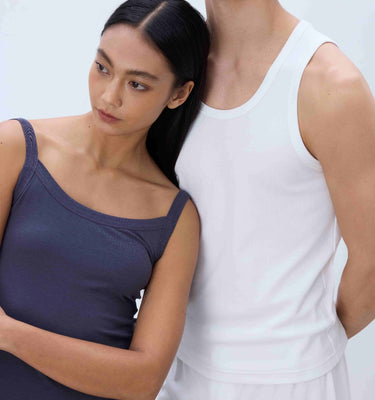
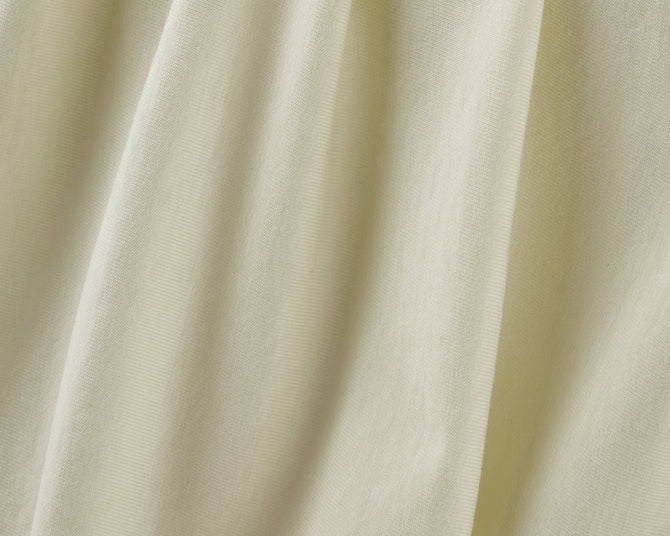




A simple cotton T-shirt doesn't need prints, embroidery, or elaborate detailing to stand out. Sometimes, the difference lies in the fabric itself.
While solid-colored cotton fabrics offer a clean, uniform appearance, mélange fabrics introduce subtle variations in tone. From a distance, the color appears cohesive. Up close, individual fibers reveal a more layered, textured effect.
For apparel brands focused on material quality and understated design, these details can become part of a garment's identity. Yet mélange is about more than color. Yarn production, knit construction, and stretch characteristics all influence how the finished fabric looks, feels, and performs.
What Makes Mélange Cotton Different from Solid Cotton?
Mélange refers to a blended-color appearance created by combining fibers or yarns of different colors. In cotton apparel, heather grey, muted blues, and other softly blended shades are familiar examples.
One common method is fiber-dyed mélange yarn production, in which fibers are dyed before spinning. Fibers of different colors are then blended and spun together, creating subtle color variations within the yarn itself.
For example, a grey mélange cotton fabric may contain fibers in several shades of grey. The overall surface appears relatively uniform from a distance, while closer inspection reveals variations throughout the yarn.
This doesn't necessarily make mélange superior to solid-colored fabrics. The two offer different design possibilities.
Solid colors provide a consistent, clean appearance, making them suitable for garments where color uniformity is essential. Mélange introduces softer tonal variation, adding visual interest without relying on prints or decorative finishes.
For premium basics, this distinction can be particularly valuable. When silhouettes and details are deliberately simple, yarn color and fabric texture become important elements of the overall design.
How Compact-Spun Yarn Influences Fabric Appearance
Mélange effects begin with fiber color combinations, but the way those fibers are spun also influences the finished fabric.
Compact spinning is a variation of conventional ring spinning that uses a fiber-condensing process before twist insertion. By bringing fibers closer together, it can reduce protruding fibers and produce yarn with a more compact structure.
Fiber-dyed mélange production and compact spinning serve different purposes:
- Fiber-Dyed Mélange creates blended color effects and tonal variation within the yarn.
- Compact Spinning influences yarn structure, hairiness, and surface characteristics.
Combining these techniques offers one approach to developing cotton knits with subtle color variation and a refined surface appearance.
Regen-tech Fashion's Mélange Cotton Collection uses 40S compact-spun cotton yarns and fiber-dyed mélange techniques to develop cotton-elastane knit fabrics with understated color depth.
However, yarn construction is only one factor in finished fabric quality. Compact spinning alone does not guarantee superior pilling resistance, abrasion resistance, or wash durability. These properties also depend on fiber selection, knit construction, finishing, and the results of fabric testing.
How Knit Construction Changes the Garment
Even when fabrics use similar mélange cotton yarns, different knit constructions can produce noticeably different textures, weights, and garment characteristics.

Single jersey can provide a relatively lightweight option for everyday tops. Rib structures introduce visible vertical texture and offer greater potential for widthwise extension. Double knits provide another construction route for fabrics with a more substantial body.
These structures are not different grades of quality. Each serves a different design purpose.
Regen-tech's Mélange Cotton Collection includes three fabric options:
| Fabric | Composition | Construction | Weight |
|---|---|---|---|
| 6622 | 90.9% Cotton / 9.1% Elastane | Single Jersey | 160 gsm |
| 6621 | 93.2% Cotton / 6.8% Elastane | 2×2 Rib | 260 gsm |
| 6589 | 91.8% Cotton / 8.2% Elastane | Double Knit | 270 gsm |
These variations offer different starting points for apparel development.
For lightweight T-shirts, designers may prioritize softness, drape, and everyday comfort. A lighter single jersey fabric can be a suitable option, depending on the desired fit and opacity.
For fitted tops and tanks, stretch, recovery, and dimensional stability become particularly important. Rib constructions can provide useful flexibility, although actual recovery must be evaluated at the fabric level.
For more substantial casual tops, fabric body, weight, and silhouette may take priority. A double-knit construction can offer a different balance of thickness and structure.
Neither elastane content nor fabric weight alone determines stretch, recovery, or shape retention. Yarn selection, knitting parameters, finishing, and garment construction must all be considered when evaluating the final result.
What Should Brands Look for When Selecting Mélange Cotton Knits?
Selecting a mélange cotton knit involves more than choosing a composition and color. Designers and fabric developers should consider three areas: appearance, garment requirements, and production consistency.
1. Color and Surface Appearance
Start by defining the intended mélange effect.
Some fabrics feature very subtle tonal variation, appearing almost solid from a distance. Others have more visible contrast between individual fibers, creating a stronger textured appearance.
Both approaches can work, but they communicate different design intentions.
A subtle mélange may complement minimalist basics, while a more pronounced color blend can become a defining feature of the garment.
When evaluating samples, examine both close-up details and the overall fabric surface. Small swatches can reveal yarn texture, but larger fabric panels and finished garments provide a better understanding of how the color will appear in actual use.
For premium basics, even small differences in tone and texture can affect the overall appearance.
2. Hand Feel, Stretch, and Silhouette
Fabric selection should begin with the intended garment rather than the material specification alone.
A lightweight single jersey, a substantial rib, and a double knit may all contain cotton and elastane, yet differ considerably in thickness, extension, drape, and surface texture.
For a fitted T-shirt, the fabric needs to accommodate body movement while maintaining the intended fit during wear.
For a relaxed everyday top, the emphasis may shift toward drape, fabric body, and how naturally the material follows the garment's silhouette.
GSM, elastane percentage, and knit construction can help narrow down initial options. However, final decisions should be based on physical samples, relevant performance testing, and garment trials.
3. Color Consistency and Fabric Performance
Consistency becomes especially important when moving from sample development to bulk production.
In fiber-dyed mélange yarns, the combination of fiber colors and the uniformity of blending influence the finished appearance. Variations in fiber blending or yarn batches may affect how the fabric looks, even when the overall shade appears similar.
Brands should therefore evaluate not only whether a fabric matches the target color, but also whether its mélange distribution and surface appearance meet the design requirements.
For cotton-elastane knits, additional considerations may include dimensional stability after washing, stretch recovery, colorfastness, and pilling resistance.
These are not concerns unique to mélange fabrics. They are part of responsible fabric selection for any apparel collection where consistent appearance and long-term wear quality matter.
From Mélange Yarn to Everyday Apparel
The value of mélange cotton knits is not that every basic garment needs a more complex texture. Rather, they give brands another way to express material character beyond conventional solid colors.
Fiber-dyed yarns introduce subtle tonal variation. Compact spinning provides a different approach to yarn structure and surface characteristics. Knit construction then translates these elements into fabrics suited to different garment styles.
Regen-tech Fashion's Mélange Cotton Collection brings together 40S compact-spun, fiber-dyed cotton yarns and a range of cotton-elastane knit constructions. From lightweight jersey to textured rib and more substantial double knits, the collection offers material options for premium basics, contemporary fashion, and everyday casualwear.
Explore Regen-tech's mélange cotton knit fabrics and discover how yarn design, subtle color variation, and versatile constructions can bring new possibilities to your next collection.