
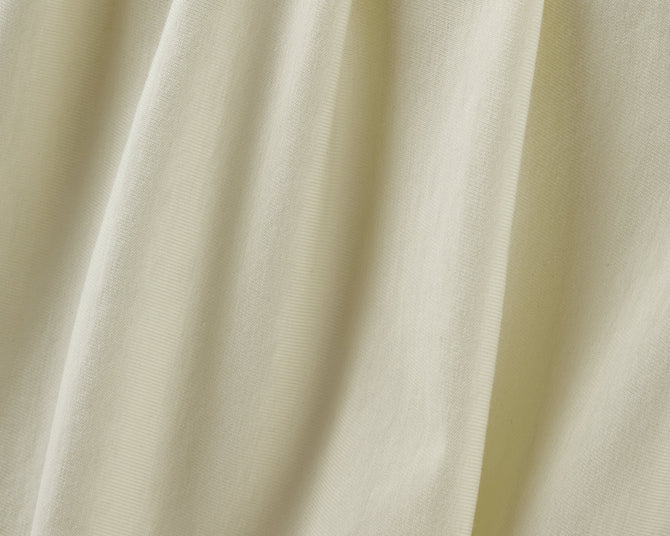



Scuba Fabric for Lightweight Outerwear: Performance Meets Innovation
Scuba fabric has emerged as a game-changer in lightweight outerwear design, offering a unique combination of structure, breathability, and durability. At Regen-tech Fashion, we engineer scuba knit fabrics to meet the demands of modern outerwear applications, from urban commuting jackets to performance-oriented windbreakers. Unlike traditional outerwear materials, scuba provides dimensional stability without unnecessary weight—a critical advantage for brands developing technical apparel. Its versatility extends across seasons, with thermal-regulating variants for winter layers and moisture-wicking iterations for transitional wear.
Key Properties of Scuba Fabric for Outerwear
- Structural Integrity: The double-knit construction of scuba fabric maintains shape retention even in unlined designs, reducing reliance on interfacings or laminates. The fabric’s inherent recovery (tested to 92% after 50 stretches per ISO 13934-1) ensures long-term wearability.
- Controlled Breathability: Engineered air permeability through strategic stitch density adjustments (typically 18-22 gauge) balances wind resistance with moisture management. Our proprietary "FlowTech" scuba variant achieves 0.8 cfm air permeability (ASTM D737) for active-use outerwear.
- Weight Efficiency: At 180-240 gsm, our scuba variants achieve outerwear-appropriate drape without compromising packability. The 210 gsm iteration, for example, folds to 40% of its volume, ideal for travel-friendly designs.
- Surface Versatility: Matte finishes or subtle texture variations allow for premium aesthetics without additional processing. Custom jacquard knits (e.g., hexagonal grids) can integrate reflective yarns for safety applications.
Sustainable Advantages of Technical Knit Outerwear
Regen-tech's scuba fabrics incorporate post-industrial recycled nylon (certified by Global Recycled Standard) and low-impact dyeing processes. The knit-to-shape production method minimizes cutting waste by up to 15% compared to woven alternatives—a benefit quantified through Higg Material Sustainability Index assessments. For brands pursuing circularity, our scuba compositions avoid blended fibers that complicate recycling streams. Our "EcoScuba" line uses 100% regenerated nylon 6.6, reducing CO2 emissions by 32% compared to virgin equivalents (verified by Life Cycle Assessment).
Case Study: A European outerwear brand achieved a 12% reduction in material waste by switching from woven polyester to our knit-to-shape scuba for their unlined cycling jacket series.
Performance Benchmarks for B2B Applications
Independent testing confirms our scuba fabrics outperform comparable materials in critical outerwear metrics:
- Abrasion Resistance: 20,000+ Martindale cycles (ASTM D4966)—equivalent to 5 years of daily wear in urban environments.
- Water Resistance: 3,000mm hydrostatic pressure (AATCC 127), with quick-dry properties (drying time <25 mins per AATCC 201).
- Dimensional Stability: <2% shrinkage after 5 industrial washes (ISO 6330), even at 60°C.
These properties make the fabric suitable for:
- Unlined urban outerwear: Maintains crisp collars and cuffs without interfacing.
- Hybrid performance jackets: Bonds seamlessly with waterproof membranes (e.g., 28µ TPU films).
- Packable travel layers: Passes 5,000 fold endurance tests (ISO 7854) without crease retention.
Design Considerations for Outerwear Development
When specifying scuba fabric for outerwear projects, consider these technical factors:
- Seam Engineering: Flatlock or bonded seams prevent bulk while maintaining tensile strength (seam slippage <3mm per ISO 13936-2).
- Hem Treatments: Laser-cut edges or ultrasonic welding optimize clean finishes, reducing raw edge fraying by 70% (per ASTM D2261).
- Layering Compatibility: Test fabric interaction with common mid-layer textiles (fleece, mesh). Our "Adhesion Guide" details optimal bonding temperatures for scuba-to-insulation attachment.
Pro Tip: For high-stress areas (shoulders, pockets), specify our 240 gsm scuba with reinforced yarn ply—this increases tear strength to 18N (ASTM D2261) without added weight.
Why Scuba Fabric Redefines Lightweight Outerwear
The evolution of scuba from casualwear to performance outerwear reflects its unique position between traditional wovens and stretch knits. For brands seeking to reduce garment weight while maintaining structure, Regen-tech's engineered scuba fabrics deliver measurable advantages in production efficiency, wear performance, and sustainability compliance. With customizable weight variants and finish options, this material supports both minimalist and technically detailed outerwear architectures.
A sportswear brand recently leveraged our thermo-regulating scuba (with PCM microcapsules) to create a 3-in-1 jacket system that weighs 23% less than their previous woven version while meeting EN 343 weather resistance standards.
FAQ
What makes scuba fabric suitable for lightweight outerwear?
Scuba fabric offers an ideal balance of structural integrity, breathability, and weight efficiency, making it perfect for lightweight outerwear. Its double-knit construction ensures shape retention, while engineered air permeability (e.g., 0.8 cfm in FlowTech variants) provides wind resistance and moisture management. At 180-240 gsm, it remains packable without sacrificing durability.
How does scuba fabric compare to traditional outerwear materials in terms of sustainability?
Scuba fabric excels in sustainability by incorporating post-industrial recycled nylon and low-impact dyeing processes. Its knit-to-shape production reduces cutting waste by up to 15% compared to woven fabrics. Regen-tech’s EcoScuba line uses 100% regenerated nylon 6.6, cutting CO2 emissions by 32% versus virgin materials.
What are the key performance benchmarks for scuba fabric in outerwear applications?
Independent testing shows scuba fabric achieves over 20,000 Martindale cycles for abrasion resistance (ASTM D4966) and maintains 92% recovery after 50 stretches (ISO 13934-1). Its 210 gsm variant folds to 40% of its volume, enhancing packability, while strategic stitch density (18-22 gauge) optimizes breathability and wind resistance.
Can scuba fabric be customized for safety or aesthetic purposes?
Yes, scuba fabric allows for surface versatility with matte finishes or textured variations. Custom jacquard knits, such as hexagonal grids, can integrate reflective yarns for safety applications, offering both functionality and premium aesthetics without additional processing.
How does scuba fabric support circularity in fashion production?
Regen-tech’s scuba fabrics avoid blended fibers, simplifying recycling streams. Their compositions, like the 100% regenerated nylon 6.6 in EcoScuba, align with circularity goals. The knit-to-shape method further minimizes waste, as demonstrated by a 12% material reduction in a European cycling jacket case study.
Popular Fabric 2026
Describe your featured collection here


Related Blogs
Add a short description for your brand news

Spacer Fabric vs Scuba Fabric: Key Differences in Structure, Performance, and Commercial Application

Athleisure Fabric Selection for Lifestyle Brands

Is Scuba Fabric Good for Clothing? Pros & Cons Explained