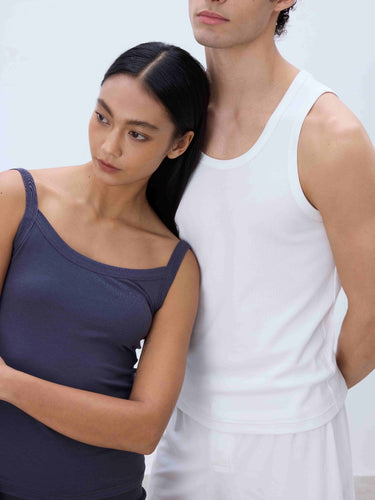
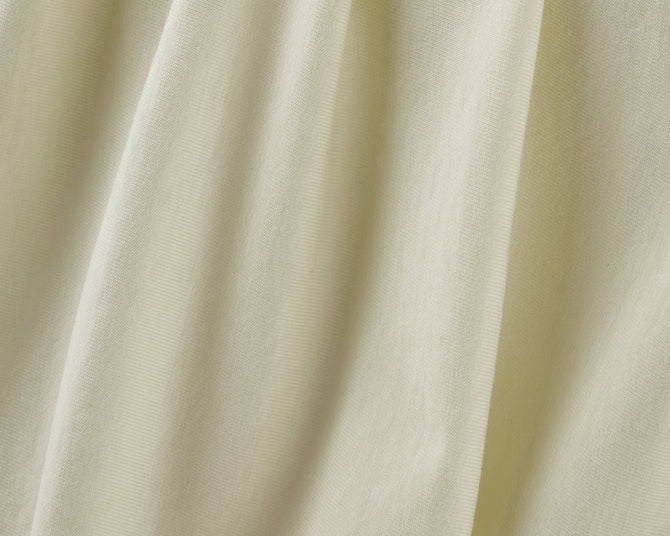



TENCEL™ Wool Fabric combines the smooth, soft feel of TENCEL™ Lyocell fibers with the natural comfort of wool, particularly fine Merino wool. This combination is commonly used in knitted fabrics designed for everyday clothing, from lightweight base layers and T-shirts to comfortable loungewear and casual tops.
Rather than referring to a single fabric construction, TENCEL™ Wool Fabric covers a range of fiber blends and knit structures. The final hand feel, stretch, drape, and warmth depend on the fiber ratio, yarn selection, knitting structure, fabric weight, and finishing process.
What Is TENCEL™ Wool Fabric Made Of?
The two main components contribute different characteristics to the finished fabric:
- TENCEL™ Lyocell: A regenerated cellulose fiber made from wood pulp. It is known for its smooth surface, softness, moisture absorption, and fluid drape. In knitted fabrics, it can contribute a refined hand feel and comfortable next-to-skin contact.
- Merino Wool: A fine wool fiber valued for its softness, natural crimp, moisture management, and temperature-regulating properties. It adds warmth and a slightly fuller feel to the blend, depending on the fiber content and fabric construction.
- Elastane (Optional): Some TENCEL™ Wool blends incorporate a small percentage of elastane to improve stretch and recovery, particularly in fitted tops and close-fitting base layers.
Common blend ratios vary according to the intended application. For example, a fabric containing 70% lyocell and 30% wool can emphasize smoothness and drape while retaining wool's natural characteristics.
How Does TENCEL™ Wool Fabric Feel?
One of the main reasons for combining lyocell with fine wool is to create a soft, comfortable fabric suitable for direct skin contact.
The two fibers complement each other in several ways:
- Soft and Smooth Touch: Lyocell contributes a smooth surface, while fine Merino wool can provide softness without the coarse feel associated with some conventional wool fabrics.
- Comfortable Drape: Lyocell-rich blends often have a fluid drape, making them suitable for relaxed silhouettes and lightweight everyday garments.
- Moisture Management: Both lyocell and wool can absorb moisture. Their combined behavior in a finished fabric depends on the blend ratio, knit structure, and finishing.
- Thermal Comfort: Wool contributes natural insulation and moisture-buffering properties, while fabric thickness and construction influence how warm the finished garment feels.
- Flexible Movement: Knitted constructions offer mechanical stretch, allowing the fabric to move with the body. Stretch recovery varies by construction and may be improved with elastane.
These characteristics make lyocell-wool blends attractive for clothing that prioritizes comfort, softness, and versatility rather than highly specialized technical performance.
How Knit Structure Changes the Fabric
Even with similar fiber compositions, different knitting structures can produce noticeably different results.
- Single Jersey: Typically lightweight and flexible, with a relatively fluid drape. Lyocell-wool jersey works well for T-shirts, lightweight tops, and soft everyday layers.
- Rib Knit: Features alternating knit and purl columns that provide pronounced widthwise mechanical stretch. Rib structures are particularly suitable for fitted tops, close-fitting base layers, and garments that need flexibility.
- Interlock Knit: A double-knit construction with smooth surfaces on both sides. Compared with conventional single jersey of similar specifications, it generally offers a fuller hand feel and greater structural stability, making it suitable for refined tops and comfortable layering pieces.
The choice of construction is just as important as the fiber blend. Brands developing fitted base layers may prioritize rib structures, while those creating relaxed T-shirts or draped tops may prefer single jersey.
Common Applications of TENCEL™ Wool Fabrics
TENCEL™ Lyocell and wool blends can be adapted to several everyday apparel categories.
- Soft Base Layers: Fine wool and lyocell blends can provide a comfortable next-to-skin feel for long-sleeve tops, lightweight undershirts, and everyday layering garments.
- Everyday T-Shirts and Tops: Lightweight jersey constructions offer softness and fluid movement for casual clothing.
- Loungewear: Soft interlock and jersey fabrics can be used for comfortable tops, relaxed sets, and homewear.
- Lightweight Layering: Wool-containing blends can be developed for transitional-season clothing, including long-sleeve tops and garments worn under jackets or sweaters.
- Casual Dresses and Refined Basics: Smooth surfaces and fluid drape make certain lyocell-rich blends suitable for simple dresses and elevated everyday essentials.
Fabric weight, construction, and fit should be selected according to the intended garment rather than assuming one blend can serve every application.
What Should Apparel Brands Consider When Choosing a TENCEL™ Wool Blend?
When sourcing TENCEL™ Wool knitted fabrics, several factors deserve attention:
- Fiber Ratio: A higher lyocell percentage may emphasize smoothness and drape, while the wool content influences warmth, texture, and moisture behavior.
- Fabric Weight: Lightweight fabrics are often preferred for T-shirts and base layers, while heavier constructions can provide more body and coverage.
- Stretch and Recovery: Mechanical stretch comes from the knit structure, but strong recovery is not guaranteed. Elastane-containing blends may be preferable for garments that require a closer fit.
- Surface and Hand Feel: Yarn fineness, knitting gauge, and finishing can significantly affect softness, texture, and the overall appearance.
- Care and Dimensional Stability: Wool-containing fabrics require appropriate evaluation for shrinkage, pilling, and wash performance. Care instructions should be based on the finished fabric's tested characteristics.
Reviewing physical samples is particularly important for next-to-skin applications, where softness, stretch, thickness, and comfort are difficult to assess from fiber composition alone.
Explore TENCEL™ Wool Knit Fabrics at Regen-tech Fashion
Regen-tech Fashion develops TENCEL™ Lyocell and wool blended knitted fabrics for apparel brands seeking soft, comfortable materials for everyday clothing and layering.
Our fabric range includes different compositions and constructions, such as:
- Lyocell-Wool Interlock: A 70% lyocell and 30% wool blend at 180 gsm, offering a smooth surface and balanced structure for refined everyday garments.
- Lyocell-Wool-Elastane Jersey: A lightweight 140 gsm construction combining lyocell, wool, and elastane for flexible tops and close-fitting styles.
- Lyocell-Wool-Elastane Rib: A rib-knit option designed for garments that benefit from pronounced mechanical stretch and a closer fit.
From lightweight jersey to more structured interlock and flexible rib fabrics, different combinations offer opportunities to develop comfortable next-to-skin clothing.
Explore Regen-tech Fashion's TENCEL™ Wool fabric collection or contact our team to discuss fiber compositions, fabric weights, knitting structures, and sampling options for your next apparel project.
FAQ
What is the typical fiber composition of TENCEL™ Wool fabric, and why is this blend chosen?
TENCEL™ Wool fabric typically contains 50–70% TENCEL™ Lyocell (from sustainably sourced wood pulp) and 30–50% fine wool—often Merino. This ratio balances lyocell’s smoothness, moisture-wicking capillarity, and cooling touch with wool’s natural elasticity, thermal responsiveness, and crimp-based resilience—delivering superior comfort, drape, and performance across diverse apparel applications.
How does TENCEL™ Wool fabric manage moisture and regulate temperature during wear?
It uses a two-phase climate regulation system: TENCEL™ Lyocell’s micro-fibrillar structure rapidly absorbs and transports liquid moisture away from the skin, while wool’s hygroscopic fibers absorb water vapor before condensation forms. Combined with wool’s air-trapping crimp and lyocell’s cool-to-touch surface, the blend provides balanced insulation and breathability—ideal for transitional layering and dynamic daily use.
Is TENCEL™ Wool suitable for professional workwear, and how does it maintain appearance throughout the day?
Yes—its low-friction lyocell surface and wool’s compressive resilience deliver exceptional wrinkle resistance and drape recovery. The fabric resists creasing during commuting or sitting and regains its smooth silhouette after compression (e.g., in a briefcase or car seat), making it ideal for tailored knit trousers, structured tops, and other polished, low-maintenance workwear pieces.
Can TENCEL™ Wool be used for activewear, and what performance benefits does it offer over conventional options?
Absolutely—for low-to-moderate intensity activities like yoga, walking, or studio-to-street transitions. It manages light sweat efficiently, dries quickly, moves with the body without cling or chafing, and avoids odor retention (unlike polyester) or itchiness (unlike traditional wool). Its natural elasticity and shape retention also prevent bagging at stress points like knees or elbows.
Does Regen-tech Fashion offer customization for TENCEL™ Wool fabric, and what parameters can brands adjust?
Yes—Regen-tech Fashion partners with brands to tailor TENCEL™ Wool fabrics to specific design and functional needs. Customization includes adjusting GSM (typically 220–280 g/m²), stitch density, knit structure (e.g., interlock vs. fine jersey), and surface finish (e.g., subtle brushing for enhanced softness or dry hand feel), ensuring optimal performance for target garments and end-use scenarios.
Popular Fabric 2026
Describe your featured collection here
A PHP Error was encountered
Severity: Notice
Message: Undefined index: host
Filename: helpers/viewurl_helper.php
Line Number: 5
Backtrace:
File: /var/www/regentech_shopify/application/helpers/viewurl_helper.php
Line: 5
Function: _error_handler
File: /var/www/regentech_shopify/application/views/featured_collection.php
Line: 33
Function: format_viewurl
File: /var/www/regentech_shopify/application/controllers/Pages.php
Line: 72
Function: view
File: /var/www/regentech_shopify/index.php
Line: 316
Function: require_once
A PHP Error was encountered
Severity: Notice
Message: Undefined index: price
Filename: views/featured_collection.php
Line Number: 39
Backtrace:
File: /var/www/regentech_shopify/application/views/featured_collection.php
Line: 39
Function: _error_handler
File: /var/www/regentech_shopify/application/controllers/Pages.php
Line: 72
Function: view
File: /var/www/regentech_shopify/index.php
Line: 316
Function: require_once
A PHP Error was encountered
Severity: Notice
Message: Undefined index: price
Filename: views/featured_collection.php
Line Number: 94
Backtrace:
File: /var/www/regentech_shopify/application/views/featured_collection.php
Line: 94
Function: _error_handler
File: /var/www/regentech_shopify/application/controllers/Pages.php
Line: 72
Function: view
File: /var/www/regentech_shopify/index.php
Line: 316
Function: require_once
A PHP Error was encountered
Severity: Notice
Message: Undefined index: price
Filename: views/featured_collection.php
Line Number: 95
Backtrace:
File: /var/www/regentech_shopify/application/views/featured_collection.php
Line: 95
Function: _error_handler
File: /var/www/regentech_shopify/application/controllers/Pages.php
Line: 72
Function: view
File: /var/www/regentech_shopify/index.php
Line: 316
Function: require_once
A PHP Error was encountered
Severity: Notice
Message: Undefined index: host
Filename: helpers/viewurl_helper.php
Line Number: 5
Backtrace:
File: /var/www/regentech_shopify/application/helpers/viewurl_helper.php
Line: 5
Function: _error_handler
File: /var/www/regentech_shopify/application/views/featured_collection.php
Line: 33
Function: format_viewurl
File: /var/www/regentech_shopify/application/controllers/Pages.php
Line: 72
Function: view
File: /var/www/regentech_shopify/index.php
Line: 316
Function: require_once
A PHP Error was encountered
Severity: Notice
Message: Undefined index: price
Filename: views/featured_collection.php
Line Number: 39
Backtrace:
File: /var/www/regentech_shopify/application/views/featured_collection.php
Line: 39
Function: _error_handler
File: /var/www/regentech_shopify/application/controllers/Pages.php
Line: 72
Function: view
File: /var/www/regentech_shopify/index.php
Line: 316
Function: require_once
A PHP Error was encountered
Severity: Notice
Message: Undefined index: price
Filename: views/featured_collection.php
Line Number: 94
Backtrace:
File: /var/www/regentech_shopify/application/views/featured_collection.php
Line: 94
Function: _error_handler
File: /var/www/regentech_shopify/application/controllers/Pages.php
Line: 72
Function: view
File: /var/www/regentech_shopify/index.php
Line: 316
Function: require_once
A PHP Error was encountered
Severity: Notice
Message: Undefined index: price
Filename: views/featured_collection.php
Line Number: 94
Backtrace:
File: /var/www/regentech_shopify/application/views/featured_collection.php
Line: 94
Function: _error_handler
File: /var/www/regentech_shopify/application/controllers/Pages.php
Line: 72
Function: view
File: /var/www/regentech_shopify/index.php
Line: 316
Function: require_once
A PHP Error was encountered
Severity: Notice
Message: Undefined index: price
Filename: views/featured_collection.php
Line Number: 95
Backtrace:
File: /var/www/regentech_shopify/application/views/featured_collection.php
Line: 95
Function: _error_handler
File: /var/www/regentech_shopify/application/controllers/Pages.php
Line: 72
Function: view
File: /var/www/regentech_shopify/index.php
Line: 316
Function: require_once
Related Blogs
Add a short description for your brand news

Pilling, Fuzz & Recovery: Performance Testing in TENCEL™ Wool Fabrics

TENCEL™ × Wool Fabric GSM Guide: How to Choose 140g, 160g, or 200g for Different Garments

Is TENCEL™ Wool Worth the Cost? A Fabric Buyer’s ROI Perspective