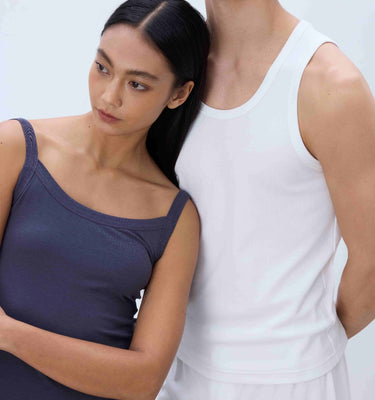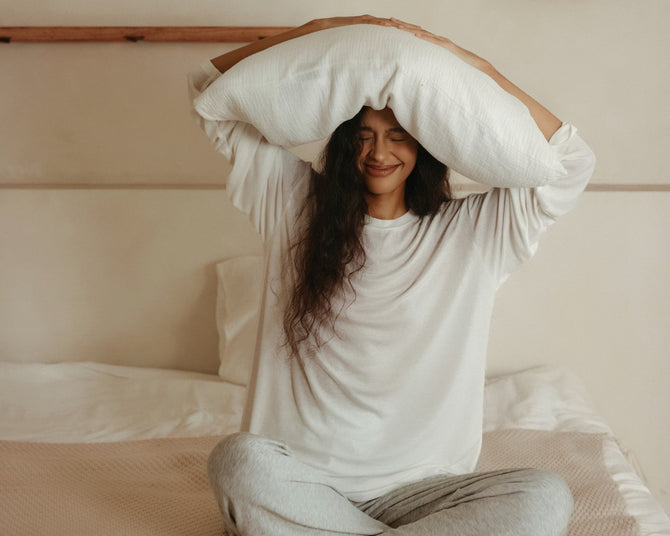
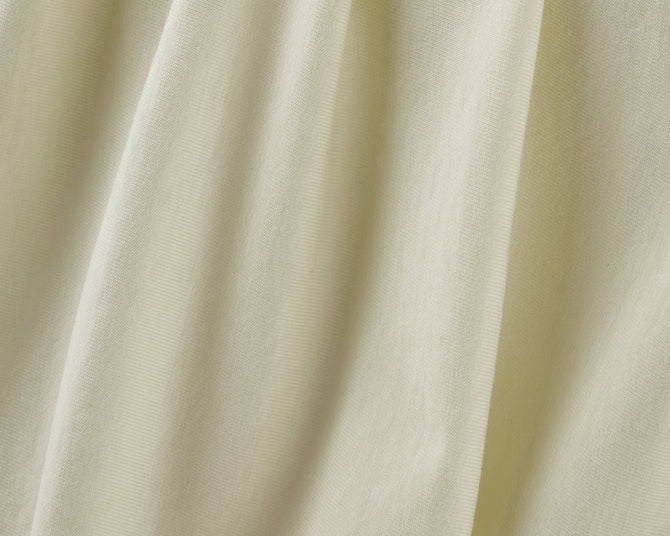



Brushed knit fabrics bring together soft, inviting textures and versatile garment structures, making them a compelling choice for winter sets, relaxed pants, and modern casual jackets. Their appeal goes beyond warmth: the right combination of surface finishing and knit construction can create garments that feel comfortable while maintaining a distinctive silhouette.
Brushing is a mechanical finishing process that raises fine fibers from the fabric surface, creating a soft, fuzzy nap. Depending on the finishing technique, the result can range from a subtle, velvety touch to a fuller, fleece-like texture.
What makes brushed knits particularly versatile is that brushing changes the surface, while the underlying knit construction largely determines how the fabric stretches, drapes, and holds its shape. This allows fabric developers to achieve different balances of softness, warmth, and structure for a wide range of apparel applications.
Key Characteristics That Shape Garment Performance
Softness and Surface Comfort
The most immediate appeal of brushed knit fabrics is their soft, tactile surface. By raising fine fibers, brushing creates a gentle, inviting hand feel that can make garments more comfortable against the skin.
Different finishing techniques produce distinct textures. Light brushing can preserve a relatively clean appearance while adding subtle softness, whereas more intensive brushing and shearing can create a denser, more uniform nap.
For apparel brands, these differences help define the character of a collection, from refined everyday essentials to cozy winter layers.
Warmth and Layering Comfort
The raised fibers of a brushed surface can help trap small pockets of air, contributing to thermal insulation and a warmer wearing experience.
However, warmth is influenced by more than the brushed finish. Fabric thickness, knit density, fiber composition, and nap structure all affect the finished garment's thermal properties.
A lightweight brushed knit may work well for comfortable indoor layering, while a denser, double-sided brushed construction can provide a fuller, warmer feel for autumn and winter garments.
This flexibility allows brands to develop seasonal layers without relying solely on heavy fabric weights.
Drape, Body, and Silhouette
Not all brushed knit fabrics have the same structural character.
A softly brushed single jersey may offer fluid drape and a relaxed appearance, making it suitable for comfortable layering tops. Brushed interlock or double-knit constructions can provide a more substantial hand and greater dimensional stability, depending on the yarns and fabric density.
Denser constructions are particularly useful for garments that need to maintain a defined shape, such as straight-leg pants, boxy jackets, or structured sweatshirts.
The goal is to balance a soft surface with the level of body required by the garment design.
Stretch and Recovery
Brushed knit fabrics can provide comfortable movement, but their stretch and recovery depend primarily on the base knit structure, yarn composition, and the presence of elastic fibers such as elastane.
A brushed fabric designed for fitted layering pieces may prioritize flexibility and recovery, while a structured double knit for jackets may emphasize stability and controlled stretch.
Understanding this distinction helps brands select fabrics that complement the garment's intended fit rather than relying on softness alone.
Choosing Brushed Knit Fabrics for Different Garments
Winter Sets: Coordinating Softness and Structure
Matching winter sets require fabrics that create a cohesive look while meeting the different functional needs of tops and bottoms.
A brushed interlock or double-knit fabric can offer a comfortable balance of softness, warmth, and body. For relaxed sweatshirts, a fuller surface and moderate structure create a cozy feel without an overly rigid silhouette.
Pants may benefit from a slightly firmer construction with better shape retention around the knees and seat.
Importantly, coordinated garments do not always need identical fabric weights or stretch characteristics. Consistent colors, complementary textures, and compatible surface finishes can create visual harmony while allowing each garment to perform differently.
Pants: Balancing Drape and Shape Retention
Brushed knit pants should feel soft and comfortable while maintaining a flattering silhouette during everyday movement.
For relaxed straight-leg or wide-leg styles, a fabric with moderate body and natural drape can create clean lines without appearing stiff. More structured brushed double knits may suit tailored casual pants or contemporary athleisure designs.
Surface durability also deserves attention. Repeated contact and abrasion around the thighs, knees, and seat can affect the appearance of brushed fabrics over time.
When selecting fabrics for pants, brands should consider pilling resistance, stretch recovery, dimensional stability, and the way the material behaves after extended wear.
Jackets: Adding Softness to Structured Silhouettes
Brushed double-knit fabrics offer an interesting alternative to conventional smooth-faced knits for casual jackets and outer layering pieces.
A dense underlying construction can provide the body needed for boxy silhouettes, shaped hems, and clean garment lines, while the brushed surface adds warmth and a softer, more tactile appearance.
Fabric development can take different directions:
- Dense, short-nap brushed double knits offer a relatively clean surface and more defined structure, making them suitable for casual jackets and shaped outer layers.
- Softer, fuller brushed constructions emphasize comfort and a relaxed silhouette, working well for oversized jackets and cozy midlayers.
- Lightly brushed textured knits combine subtle surface softness with visible knit patterns, creating a more refined, fashion-oriented appearance.
The result is a broader range of design possibilities, from minimal everyday jackets to expressive winter layering pieces.
Evaluating Brushed Knits for Production
When developing brushed knit garments, evaluating the surface and underlying structure together is essential.
- Nap Consistency: Examine multiple fabric areas for uniform surface density, softness, and appearance. Consistent brushing and shearing help create a cleaner, more refined finish.
- Pilling and Surface Durability: Assess how the raised fibers respond to rubbing, repeated wear, and laundering. Fiber selection, yarn construction, knitting density, and finishing all influence the final result.
- Dimensional Stability and Recovery: Test washed samples for changes in fabric dimensions, surface appearance, and stretch recovery, especially when developing fitted garments or structured pants.
- Layering Compatibility: Evaluate how the fabric interacts with other garment layers. A plush brushed surface may feel exceptionally soft but can create additional bulk or friction beneath certain outer fabrics.
These practical evaluations help brands move beyond the initial softness of a fabric swatch and determine whether it can deliver the desired garment appearance and wearing experience.
Finding the Right Balance of Softness and Structure
The value of brushed knit fabrics lies in their adaptability. A similar surface finish can support very different garments depending on the underlying construction, fabric density, fiber blend, and finishing process.
For winter sets, the priority may be coordinated comfort and natural drape. For pants, it may be maintaining clean lines through movement. For jackets, a denser construction can bring structure to a soft, tactile surface.
By selecting brushed knit fabrics around these specific design requirements, apparel brands can create collections that combine inviting textures, comfortable warmth, and intentional silhouettes.
FAQ
What makes brushed knit fabrics especially suitable for winter layering sets?
Brushed knits offer a unique balance of thermal efficiency and controlled stretch—trapping air in their raised nap for warmth without bulk, while maintaining recovery and drape across tops and bottoms. A medium-weight (260–290 gsm) interlock-brushed knit ensures consistent performance, allowing tops to sit smoothly under outerwear and trousers to hold clean lines without sagging.
How do brushed knits differ from regular knits in terms of structure and comfort?
Unlike smooth-faced knits, brushed knits undergo a mechanical finishing process that raises fine surface fibers, creating a soft, fleece-like nap. This enhances next-to-skin comfort and passive insulation, while the underlying knit structure (e.g., interlock or double-knit) preserves stretch, recovery, and dimensional stability—making them ideal for both relaxed and structured winter apparel.
Which brushed knit construction is best for tailored jackets requiring collar support and clean hems?
Double-knit brushed fabrics—especially brushed scuba-style constructions (300–340 gsm)—provide superior dimensional stability and quiet structure. They resist twisting and hold shaped details like collar stands and front plackets, while retaining enough 4-way stretch for arm articulation and comfortable layering underneath.
What fabric properties should I prioritize in brushed knits for high-wear pants?
For durable, shape-retentive pants, select brushed knits with tighter loop structures, higher yarn twist, and slight vertical stretch (15–25% lengthwise). These features reduce pilling, support seated comfort and natural leg movement, and maintain silhouette integrity at stress points like knees and waistbands.
Are sustainable brushed knits available without compromising performance?
Yes—brushed knits made from TENCEL™ Lyocell or recycled polyester blends deliver excellent softness, thermal efficiency, and recovery while reducing environmental impact. These fibers retain surface quality after brushing and align with closed-loop processing where applicable, making them viable for premium, eco-conscious winter collections.
Related Blogs
Add a short description for your brand news

Nylon vs Polyester for Stretch Knit Fabrics: Which Performs Better in Modern Knitwear?

Best Knit Fabrics for Athleisure: Performance Meets Style

Knit Structures Used in Athleisure Fabrics: A Guide for Performance & Fabric Development