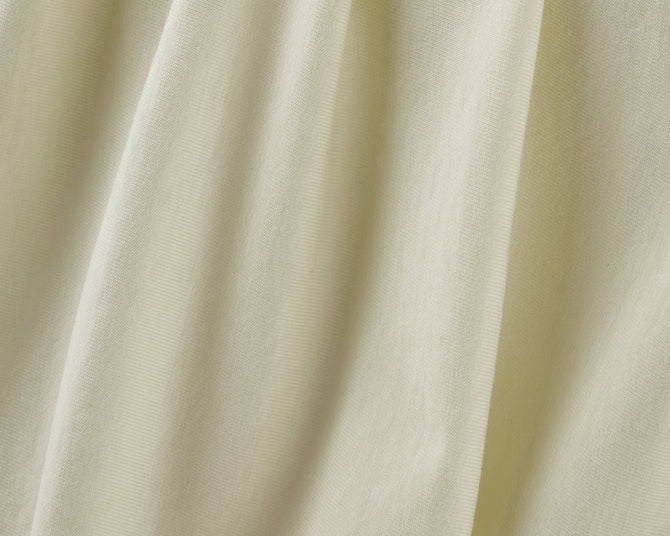



Double knit fabric offers something that lightweight jersey often cannot: a fuller, more stable structure that helps pants maintain a clean silhouette while retaining the comfort of knitted fabric.
Produced using two sets of knitting needles, double knit fabrics include constructions such as interlock, ponte, and textured double knits. Compared with typical single jersey, they often have greater body, smoother edges, and better structural stability. These qualities make them particularly suitable for trousers that need to balance comfort, drape, and shape.
From relaxed lounge pants to tailored casual trousers, double knit fabrics offer designers a versatile alternative to traditional woven materials.
What Makes Double Knit Fabric Different?
Unlike single jersey, which is generally knitted using one set of needles, double knit fabrics are produced using two needle beds. Depending on the construction, this creates interconnected knit structures with different levels of thickness, stretch, and stability.
Several characteristics make double knit particularly appealing for pants:
- Fuller Structure: Double knits often have a denser, more substantial hand feel than lightweight single jersey. This provides body and helps pants maintain a defined silhouette rather than appearing overly soft or clingy.
- Comfortable Stretch: The knitted construction allows the fabric to move with the wearer. Some double knits provide moderate mechanical stretch, while elastane blends can offer greater flexibility and improved recovery.
- Shape Retention: A stable double-knit construction can help maintain clean lines through the hips and legs. For areas exposed to repeated stretching, such as the knees and seat, appropriate yarn selection and elastane content can further reduce bagging.
- Smooth, Stable Surfaces: Many double knits feature relatively smooth faces and reduced edge curling compared with single jersey. These characteristics can make cutting and sewing easier while supporting a more polished garment appearance.
The result is a fabric category that bridges the gap between the relaxed comfort of knitwear and the structured appearance of woven trousers.
Why Double Knit Works So Well for Pants
Pants place different demands on fabric than T-shirts or lightweight tops. The material must accommodate sitting, walking, and bending while maintaining an attractive shape across larger garment panels.
Double knit fabric is particularly useful because it can provide structure without making the garment excessively rigid.
For straight-leg or wide-leg trousers, a medium- to heavyweight double knit can create a smooth, substantial drape. The fabric has enough body to define the leg shape while allowing the garment to move naturally.
For tapered pants and fitted silhouettes, stretch and recovery become more important. A double knit with suitable elastane content can provide comfortable movement while helping the knees and seat recover after stretching.
For relaxed lounge pants, softer double knits offer a different advantage. A plush or fluid hand feel can create an easy, comfortable silhouette without the lightweight, sometimes clingy appearance of thin jersey.
These differences explain why choosing double knit fabric for pants involves more than selecting a particular weight or fiber composition. The relationship between structure, softness, and drape ultimately determines the garment's character.
Choosing Different Double Knits for Different Pant Styles
Not all double knit fabrics feel or perform the same way. Different constructions and fiber blends create distinct opportunities for apparel development.
Ponte Knit for Tailored Casual Pants
Ponte, often called Ponte di Roma, is a compact double-knit construction known for its relatively smooth surface, substantial body, and structural stability.
It is a popular option for tailored casual pants, slim trousers, and polished everyday styles.
Its clean appearance can help achieve a more refined silhouette while offering the comfort and flexibility associated with knitted fabrics. Ponte blends containing elastane are particularly useful when stretch recovery is important.
Interlock Knit for Soft, Relaxed Trousers
Interlock is another double-knit construction, typically characterized by a smooth surface on both sides and a soft, balanced hand feel.
Depending on the yarn, weight, and finishing, interlock fabrics can provide a more fluid drape than firmer ponte constructions.
Cotton, modal, and lyocell blends can be particularly appealing for comfortable casual pants, loungewear, and coordinated sets where softness and natural movement are priorities.
Textured Double Knits for Fashion-Forward Pants
Double knit fabrics are not limited to smooth surfaces. Textured constructions, jacquards, and specialty yarns can introduce subtle patterns, dimensional surfaces, and distinctive tactile effects.
A fine geometric texture can make minimalist trousers more visually interesting, while a firmer construction can support contemporary wide-leg or boxy silhouettes.
For brands developing elevated casualwear, these surface details allow the fabric itself to become part of the garment's design.
Brushed Double Knits for Cooler Seasons
Brushed double knits offer another approach, combining structural support with a softer, warmer surface.
Depending on the fiber blend and finishing process, brushing can create a fine, plush texture reminiscent of woolen fabrics.
These materials work particularly well for autumn and winter lounge trousers, relaxed tailored pants, and matching sets that emphasize comfort and a substantial seasonal hand feel.
How Fiber Composition Changes the Result
While knit construction establishes the foundation, fiber composition strongly influences the finished fabric's comfort, drape, and performance.
- Cotton-Polyester Double Knit: Can combine familiar cotton softness with a fuller, more resilient structure. Suitable for casual trousers, joggers, and structured athleisure styles.
- Modal or Viscose Blends: Often create a softer, smoother hand feel with more fluid drape. These are attractive options for relaxed trousers and comfortable coordinated sets.
- Lyocell-Wool Blends: Can bring together lyocell's smoothness and drape with wool's refined, soft warmth. Depending on the construction, they offer opportunities for elevated casual trousers and seasonal fashion pieces.
- Polyester or Nylon Blends with Elastane: Can provide useful combinations of durability, stretch, and recovery for active-inspired trousers and everyday performance-oriented designs.
No single composition is ideal for every application. A firmer fabric may produce a stronger silhouette, while a softer blend can create a more relaxed, flowing appearance.
The most effective choice depends on how the finished pants are intended to look, feel, and move.
What to Check Before Sourcing Double Knit Fabric for Pants
For apparel brands and product developers, evaluating double knit fabric should begin with the intended garment rather than a fixed GSM requirement.
A few practical considerations can help guide fabric selection:
- Drape and Silhouette: Examine how the fabric hangs in a full-length pant sample. Does it create the intended straight, fluid, or structured leg shape?
- Stretch and Recovery: Check how the material behaves after repeated stretching, particularly around the knees and seat. Comfortable stretch is valuable, but recovery is equally important for maintaining the fit.
- Opacity and Surface Appearance: Evaluate whether the fabric provides sufficient coverage, especially for lighter colors or fitted styles. Also consider how the surface responds to rubbing and repeated wear.
- Dimensional Stability: Confirm shrinkage and appearance after laundering. These factors influence garment measurements, fit consistency, and customer satisfaction.
- Weight and Seasonal Suitability: Choose fabric weight together with construction and fiber composition. Two double knits with similar GSM values can differ significantly in thickness, firmness, and drape.
Where responsible sourcing is part of the development brief, brands can also evaluate certified fiber options and relevant material documentation alongside the fabric's practical performance.
Finding the Right Balance of Structure and Comfort
Double knit fabric is not one uniform material. It is a versatile category of knitted constructions that can offer different combinations of softness, stretch, drape, and structural support.
For pants, this versatility is its greatest strength.
A compact ponte can deliver a polished, tailored appearance. A softer interlock can create relaxed everyday comfort. A textured or brushed double knit can introduce additional visual character and seasonal appeal.
By matching construction, fiber composition, and finishing to the intended silhouette, apparel brands can develop pants that combine the comfort of knitted fabrics with the refined appearance expected from modern casualwear.
FAQ
What makes double knit fabric especially suitable for pants compared to other knits?
Double knit fabric is uniquely suited for pants due to its dual-layer construction, which provides superior structure, shape retention, and balanced stretch (20–30% horizontally with moderate vertical give). Unlike single knits, it resists curling, minimizes bagging at high-stress areas like knees and seat, and maintains clean lines—making it ideal for tailored, tapered, or hybrid silhouettes that demand both comfort and polish.
What weight range (gsm) of double knit fabric is recommended for versatile pant applications?
For most pant styles—from tailored casual to hybrid workwear—a weight range of 240–320 gsm is optimal. This offers enough body for crisp creases and fluid drape in straight-leg cuts, while remaining lighter and more breathable than heavy scuba or neoprene knits—ensuring all-day wearability without bulk.
How does fiber composition impact the performance of double knit pants fabric?
Fiber composition significantly affects functionality: TENCEL™/wool blends enhance breathability and moisture management for workwear; recycled polyester/elastane improves durability and recovery for athleisure trousers; and cotton-rich double knits offer natural softness but may sacrifice some resilience. Always match fiber properties to end-use demands—e.g., movement, climate, care requirements, and sustainability goals.
Why is surface stability important when cutting and sewing double knit fabric for pants?
Surface stability—stemming from balanced tension across both fabric faces—prevents twisting during cutting and sewing, ensuring consistent grain alignment and symmetrical seam allowances. This reduces production errors, improves fit accuracy, and supports clean finishing—especially critical for structured pant details like front creases, pleats, or asymmetrical pockets.
Can double knit fabric be used for both formal and casual pant styles? What finish or texture should I choose?
Yes—double knit’s versatility spans formal to casual. For elevated workwear, choose a smooth micro-rib or pin-dot finish with wool or TENCEL™ blends; for relaxed lounge trousers, opt for a soft-brushed or matte surface with added drape; and for athleisure, select a denser, scuba-like hand with high recovery. Texture and finish directly influence perceived formality and movement, so align them with your design intent.
Related Blogs
Add a short description for your brand news

Nylon vs Polyester for Stretch Knit Fabrics: Which Performs Better in Modern Knitwear?

Knit Structures Used in Athleisure Fabrics: A Guide for Performance & Fabric Development

Cotton vs Polyester in Knit Fabrics: Comfort or Structure for Urban Commuterwear?