
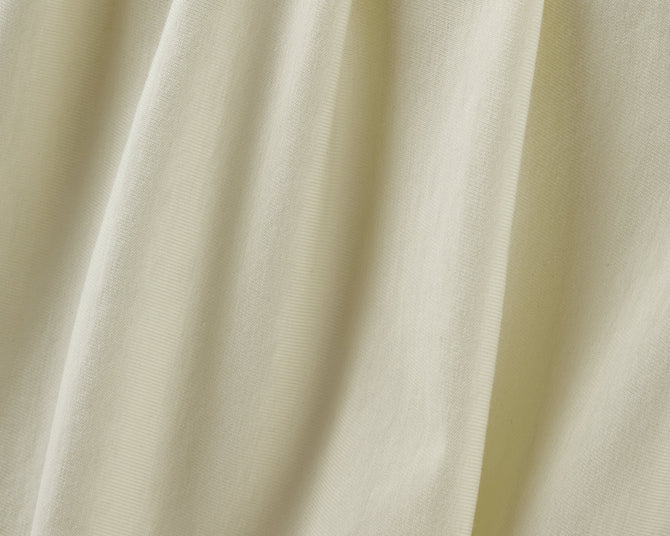



TENCEL™ Linen vs. Cotton Linen: Which Fabric Is Better for Premium Apparel?
When it comes to premium apparel, the choice of fabric can make or break the final product. Two of the most debated materials in the textile industry are TENCEL™ Linen and Cotton Linen. Both offer unique benefits, but which one is better suited for high-end applications? Let’s break down their properties, sustainability, and performance to help B2B buyers make an informed decision.
Fabric Properties: A Side-by-Side Comparison
TENCEL™ Linen:
- Derived from sustainably sourced wood pulp, TENCEL™ Linen is a lyocell-based fabric known for its smooth texture and breathability. Its fibers are produced using an advanced solvent-spinning process, resulting in a uniform structure that enhances durability and reduces pilling.
- Offers superior moisture-wicking properties, making it ideal for activewear and urban commuting wear. The fabric’s ability to regulate body temperature by absorbing and releasing moisture efficiently sets it apart from natural blends.
- Naturally resistant to wrinkles, reducing the need for excessive ironing or chemical treatments. This is particularly advantageous for brands aiming for low-maintenance, travel-friendly garments.
- Provides a consistent, high-quality finish due to its engineered fiber structure, ensuring uniformity in dye uptake and minimizing batch-to-batch variations—a key advantage for large-scale production.
Cotton Linen:
- A blend of cotton and linen fibers, this fabric combines the softness of cotton with the durability of linen. The typical composition ranges from 55% cotton to 45% linen, though variations exist to adjust texture and weight.
- Highly absorbent but less moisture-wicking compared to TENCEL™ Linen, making it better suited for dry climates or relaxed fits where airflow is prioritized over active moisture management.
- Tends to wrinkle more easily, which may require additional finishing processes like resin treatments or blends with synthetic fibers to improve wearability.
- Offers a rustic, textured look that appeals to traditional and heritage-style apparel, with subtle slubs and irregularities that add character to the fabric.
Sustainability: Which Fabric Wins?
Sustainability is a critical factor for modern brands. Here’s how these fabrics stack up:
TENCEL™ Linen:
- Produced in a closed-loop process that recycles 99% of water and solvents, minimizing environmental impact (source: Lenzing AG). The lyocell production method emits up to 50% fewer greenhouse gases compared to conventional cotton processing.
- Biodegradable and compostable, aligning with circular economy principles. At the end of its lifecycle, TENCEL™ Linen decomposes naturally without releasing microplastics.
- Certified by organizations like the Forest Stewardship Council (FSC) for responsible sourcing, ensuring wood pulp is harvested from sustainably managed forests.
Cotton Linen:
- While cotton is a natural fiber, conventional cotton farming often involves high water usage (2,700 liters per kilogram) and pesticides (source: Textile Exchange). Organic cotton reduces this impact but still requires significant resources.
- Linen, derived from flax, is inherently sustainable—flax grows with minimal water and no pesticides. However, when blended with cotton, the overall sustainability profile diminishes unless organic cotton is used.
- The lack of a closed-loop production process for cotton linen means higher wastewater generation during dyeing and finishing compared to TENCEL™.
Performance in Premium Apparel
TENCEL™ Linen:
- Excels in performance-driven applications like athleisure and technical wear due to its moisture management and durability. Brands like Allbirds and Patagonia leverage TENCEL™ for its ability to blend sustainability with high functionality.
- Maintains shape and color vibrancy even after repeated washes, reducing long-term costs for brands by minimizing garment replacement rates.
- Lightweight and breathable, making it a favorite for modern lifestyle garments, including wrinkle-resistant office wear and versatile layering pieces.
Cotton Linen:
- Ideal for classic, relaxed-fit apparel where texture and natural drape are prioritized. Brands like Eileen Fisher and Ralph Lauren often use cotton linen for its artisanal, lived-in aesthetic.
- Better suited for casual wear rather than high-performance applications, as its absorbency can lead to longer drying times and discomfort during intense activity.
- Requires more care in production to prevent shrinkage and wrinkling, often necessitating pre-washing and anti-shrink treatments that add to manufacturing complexity.
B2B Use Cases: Which Fabric Should You Choose?
- Choose TENCEL™ Linen if: You’re developing high-performance, sustainable apparel with a focus on functionality and modern aesthetics. It’s perfect for brands targeting eco-conscious consumers who value innovation, such as direct-to-consumer startups or athleisure labels. Its technical advantages also make it a smart choice for uniforms in hospitality or healthcare, where comfort and durability are paramount.
- Choose Cotton Linen if: Your brand emphasizes traditional craftsmanship and a rustic, lived-in look. It’s a great choice for heritage-inspired collections, bohemian fashion, or seasonal resort wear where texture and breathability are key selling points.
Conclusion
FAQ
What are the key differences between TENCEL™ Linen and Cotton Linen in terms of fabric properties?
TENCEL™ Linen is derived from sustainably sourced wood pulp, offering superior moisture-wicking, wrinkle resistance, and durability with a smooth texture. Cotton Linen, a blend of cotton and linen fibers, is highly absorbent but wrinkles more easily and has a rustic, textured look.
Which fabric is better for moisture management in activewear and urban commuting wear?
TENCEL™ Linen is better suited for moisture management due to its advanced moisture-wicking properties and ability to regulate body temperature efficiently, making it ideal for activewear and urban commuting wear.
How does the sustainability of TENCEL™ Linen compare to Cotton Linen?
TENCEL™ Linen is more sustainable, produced in a closed-loop process that recycles 99% of water and solvents, emits fewer greenhouse gases, and is biodegradable. Cotton Linen, while natural, lacks the same level of eco-friendly production processes.
Which fabric requires less maintenance and is more travel-friendly?
TENCEL™ Linen is more travel-friendly and low-maintenance due to its natural resistance to wrinkles, reducing the need for excessive ironing or chemical treatments.
What are the aesthetic differences between TENCEL™ Linen and Cotton Linen?
TENCEL™ Linen offers a consistent, high-quality finish with uniform dye uptake, while Cotton Linen has a rustic, textured look with subtle slubs and irregularities that appeal to traditional and heritage-style apparel.
Popular Fabric 2026
Describe your featured collection here


Related Blogs
Add a short description for your brand news

Linen vs Cotton: Which Is Better for Summer Wear?

What Is Linen Fabric? A Complete Guide for Modern Apparel Designers

Why TENCEL™ Linen Is Suitable for Both Boutique Labels and Large Apparel Brands