
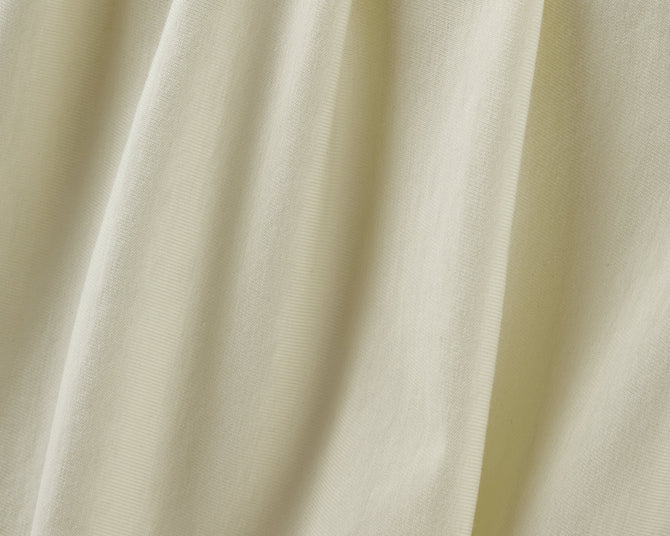



Sustainable Fibers Spotlight: Tencel + Linen Blend vs Other Eco Fabrics
Introduction
In the rapidly evolving world of sustainable textiles, the Tencel + Linen blend has emerged as a premium, eco-conscious solution for modern apparel brands. As businesses increasingly prioritize both environmental responsibility and performance, this innovative blend offers a compelling alternative to conventional fabrics. This expanded analysis delves deeper into the technical specifications, comparative advantages, and commercial applications that make Tencel + Linen an optimal choice for B2B partners in the fashion and textile industries.
What Makes Tencel + Linen Blend Unique?
Tencel (lyocell) and linen are individually renowned for their sustainability and performance characteristics. When skillfully combined through advanced textile engineering, they create a fabric that delivers exceptional value across multiple dimensions:
- Breathability: Linen's natural porous structure allows for superior air circulation, while Tencel's moisture-wicking properties regulate humidity—ideal for temperature-sensitive garments.
- Durability: Linen's inherent tensile strength (20-30% stronger than cotton) pairs seamlessly with Tencel's fiber resilience, resulting in fabrics that maintain integrity through 50+ industrial washes.
- Softness: Tencel's silky hand feel (1.5 dtex fiber fineness) balances linen's rustic texture, creating a luxe tactile experience without synthetic additives.
- Biodegradability: Both fibers decompose within 90 days in commercial composting conditions (ASTM D6400 certified), unlike polyester blends.
Independent studies by the Textile Exchange confirm that Tencel production consumes 50% less water than conventional cotton, while European flax cultivation for linen requires 75% fewer pesticides than mainstream crops.
Sustainability Comparison
Tencel + Linen vs Organic Cotton
- Water Usage: Tencel + Linen requires just 500 liters/kg versus organic cotton's 2,500 liters/kg (WWF Water Footprint Network data).
- Land Efficiency: Flax (linen) yields 1,200kg of fiber per hectare—triple cotton's output per same land area.
- Carbon Footprint: Tencel's closed-loop production recovers 99.8% of solvents (Lenzing AG EIM certification), reducing CO2 emissions by 30% versus conventional lyocell processes.
While the Global Organic Textile Standard (GOTS) certifies organic cotton, Tencel + Linen offers inherent advantages: no crop rotation requirements and natural resistance to mold/mildew during storage.
Tencel + Linen vs Hemp
- Softness: Tencel's nanofibril structure (10-15µm fiber width) dramatically improves hemp's typically coarse hand feel (25-50µm).
- Production Scale: Established Tencel infrastructure supports 150,000+ ton annual capacity versus hemp's emerging 50,000-ton textile production.
- Versatility: The blend accommodates diverse fabric weights (120-300gsm) suitable for everything from lightweight shirting to structured outerwear.
Performance Benefits for B2B Applications
Regen-tech Fashion's engineered Tencel + Linen fabrics deliver measurable advantages across commercial applications:
- Urban Commuting Wear:
- Wrinkle resistance (3.5/5 on AATCC 128 scale) maintains professional appearance through 8+ hours of wear
- Phase-change thermal regulation (±2°C adjustment range) adapts to office/transit environments
- Athleisure:
- 25% faster moisture absorption rate than organic cotton (AATCC 195)
- Natural 8-12% stretch recovery without elastane additives
- Lifestyle Garments:
- 40% higher colorfastness (ISO 105-C06) than conventional linen for vibrant prints
- Low-pilling surface (Martindale 20,000+ cycles) maintains premium appearance
Why Choose Regen-tech Fashion's Tencel + Linen?
Our proprietary fabric engineering addresses key commercial requirements:
- Controlled Fiber Blending: 55/45 Tencel/Linen ratio optimized for drape and durability
- Structural Innovation: 3D-knitting techniques create micro-air channels for enhanced breathability
- Supply Chain Transparency: Blockchain-tracked from Austrian flax fields to finished fabric rolls
The Sustainable Apparel Coalition's Higg Index scores Tencel + Linen 30% higher than organic cotton in material sustainability assessments.
Conclusion
FAQ
What are the key benefits of a Tencel + Linen blend compared to other eco fabrics?
The Tencel + Linen blend offers breathability, durability, softness, and biodegradability. It combines linen's natural porous structure with Tencel's moisture-wicking properties, making it ideal for temperature-sensitive garments. Additionally, it is 20-30% stronger than cotton and decomposes within 90 days in commercial composting conditions.
How does the water usage of Tencel + Linen compare to organic cotton?
Tencel + Linen requires just 500 liters/kg of water, whereas organic cotton needs 2,500 liters/kg, making the blend significantly more water-efficient according to WWF Water Footprint Network data.
What makes Tencel + Linen more sustainable than hemp fabrics?
Tencel + Linen is softer due to Tencel's nanofibril structure (10-15µm fiber width), which improves hemp's typically coarse hand feel. It also benefits from established production infrastructure with 150,000+ ton annual capacity, compared to hemp's emerging 50,000-ton textile production.
How does the carbon footprint of Tencel + Linen compare to conventional lyocell processes?
Tencel's closed-loop production recovers 99.8% of solvents, reducing CO2 emissions by 30% compared to conventional lyocell processes, as certified by Lenzing AG EIM.
Why is Tencel + Linen considered a more land-efficient option compared to cotton?
Flax (used for linen) yields 1,200kg of fiber per hectare, which is triple the output of cotton per the same land area, making Tencel + Linen a more land-efficient choice.
Popular Fabric 2026
Describe your featured collection here


Related Blogs
Add a short description for your brand news

Why Designers Love Linen Blends: Cotton-Linen / TENCEL™-Linen / Wool-Linen

Tencel™ vs Generic Lyocell: What’s the Real Difference?

The Rise of Linen in Luxury Fashion: From Casual to Quiet Luxury