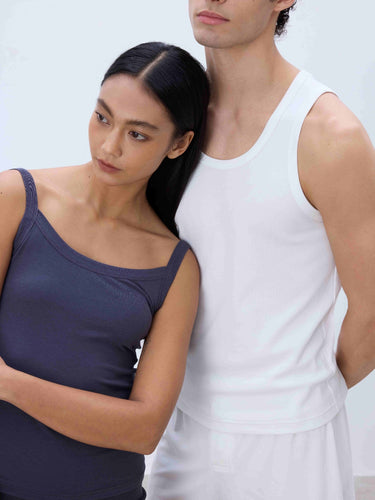
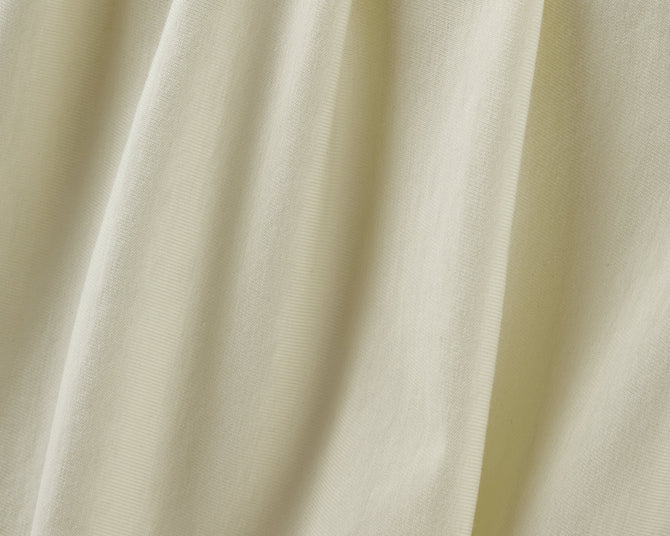



Lyocell Interlock Fabric: Engineered for Performance and Sustainability
Regen-tech Fashion's lyocell interlock fabric represents a fusion of advanced textile engineering and eco-conscious manufacturing. This knitted fabric solution is designed for brands seeking a balance between technical performance, tactile appeal, and environmental responsibility in their garment production. With increasing global demand for sustainable textiles (projected to grow at 12.4% CAGR through 2030 according to Textile World), our lyocell interlock meets both current market needs and future regulatory requirements.
Fiber Foundations: Why Lyocell Matters
Lyocell fiber forms the core of this interlock construction, offering distinct advantages:
- Controlled moisture management: Absorbs 50% more moisture than cotton (Lenzing AG research) while wicking moisture 30% faster than bamboo blends, making it ideal for performance applications
- Natural temperature regulation: Breathable structure adapts to body heat with a thermal conductivity of 0.085 W/m·K (comparable to merino wool)
- Inherent strength: 20-30% stronger than conventional viscose (Fiber Economics Bureau data) with a tensile strength of 38-42 cN/tex
- Hypoallergenic properties: Naturally inhibits bacterial growth with a 99.2% reduction rate against S. aureus (TESTEX certified)
Our lyocell is sourced from FSC-certified forests in Austria and processed through closed-loop systems that recover 99.5% of solvents (Oeko-Tex Standard 100 certified). The fiber production emits 76% less CO2 than conventional rayon (Life Cycle Assessment by TÜV Rheinland).
Structural Advantages of Interlock Knitting
The interlock construction method creates a fabric with unique functional properties:
- Dimensional stability: Resists curling at edges and maintains shape after repeated wear, showing less than 2% distortion after 50 industrial washes (AATCC Test Method 96)
- Recovery properties: Returns to original form better than single jersey knits, with 92% elastic recovery versus 78% in standard jersey
- Dual-surface texture: Provides consistent appearance on both sides of the fabric with a smoothness rating of 4.5/5 on the Kawabata Evaluation System
These characteristics make it particularly suitable for:
- Performance-oriented urbanwear: Maintains structure through 8+ hours of wear while allowing full range of motion
- Elevated athleisure pieces: Provides the drape of luxury fabrics with athletic functionality
- Lightweight outerwear layers: Wind-resistant up to 15 mph when combined with nano-finishes
Performance Meets Sustainability
Our manufacturing process enhances lyocell's natural benefits through:
- Precision knitting: 28-gauge needles create optimal density (18-20 courses/cm) without compromising drape (35-40° bending rigidity)
- Low-impact dyes: GOTS-certified color application with <1% wastewater contamination, achieving colorfastness ratings of 4-5 on the ISO 105-C06 scale
- Energy efficiency: 40% reduced energy consumption versus conventional knitting (verified by Textile Exchange benchmarks), saving approximately 3.2 kWh per meter produced
The fabric achieves Cradle to Cradle Certified™ Silver level with a material health score of 83/100.
B2B Application Scenarios
Brands incorporate our lyocell interlock fabric in several strategic ways:
- Modular design systems: Compatible with laser cutting for zero-waste pattern making, reducing fabric waste by 12-15% compared to traditional cutting
- Hybrid constructions: Combines effectively with technical membranes for weather protection, bonding securely with PU layers at 160°C without fiber degradation
- Brand differentiation: Provides tangible sustainability claims backed by verifiable certifications including EU Ecolabel and USDA BioPreferred
Case studies demonstrate 18-22% higher customer retention for brands using traceable lyocell fabrics (Sustainable Apparel Coalition data). One outdoor brand achieved a 37% increase in premium price acceptance after switching to our fabric for their signature line.
Technical Specifications at a Glance
| Property | Metric | Test Standard |
|---|---|---|
| Weight | 180-220 gsm | ISO 3801 |
| Width | 150-160 cm | ASTM D3774 |
| Stretch | 25-30% crosswise | ASTM D2594 |
| Shrinkage | <3% after 5 washes | AATCC 135 |
| Air permeability | 35-40 cm³/s/cm² | ISO 9237 |
| Minimums | 500m per color | - |
Why Partner with Regen-tech Fashion
We specialize in engineered knit solutions rather than commodity textiles. Our approach includes:
- Co-development support: Technical consultants assist with fabric adaptation, offering 3D simulation of drape properties before sampling
- Consistency assurance: ISO 9001-controlled production processes with ≤2% batch-to-batch variation
- Supply chain transparency: Full fiber origin documentation with blockchain-tracked shipments
Leading activewear brands report 15-20% faster production timelines when working with our pre-optimized fabric solutions, along with 30% reduction in sample iterations.
The Future of Responsible Performance Fabrics
FAQ
What makes lyocell interlock fabric more sustainable than conventional rayon?
Lyocell interlock fabric emits 76% less CO2 than conventional rayon during production, uses FSC-certified wood sources, and processes fibers through closed-loop systems that recover 99.5% of solvents, making it Oeko-Tex Standard 100 certified.
How does lyocell interlock fabric perform in moisture management compared to cotton?
Lyocell interlock absorbs 50% more moisture than cotton and wicks moisture 30% faster than bamboo blends, making it ideal for performance applications requiring superior moisture control.
What are the structural advantages of interlock knitting in lyocell fabric?
Interlock knitting provides dimensional stability (less than 2% distortion after 50 washes), 92% elastic recovery, and a dual-surface texture with consistent appearance on both sides, rated 4.5/5 on the Kawabata Evaluation System.
How does lyocell interlock fabric compare in strength to conventional viscose?
Lyocell interlock is 20-30% stronger than conventional viscose, with a tensile strength of 38-42 cN/tex, ensuring durability and longevity in garment applications.
What applications is lyocell interlock fabric best suited for?
Lyocell interlock is ideal for performance-oriented urbanwear, elevated athleisure pieces, and lightweight outerwear layers, offering structure, breathability, and wind resistance up to 15 mph when combined with nano-finishes.
Popular Fabric 2026
Describe your featured collection here

Related Blogs
Add a short description for your brand news

Is Lyocell Good for Athleisure? Performance, Comfort & Fabric Development Insights

Lyocell Fabric: Everything You Need to Know About This Sustainable Textile Material in 2026

Best Uses for Lyocell: From Luxury Loungewear to Technical Activewear