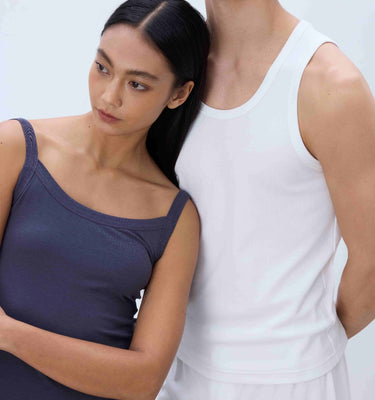
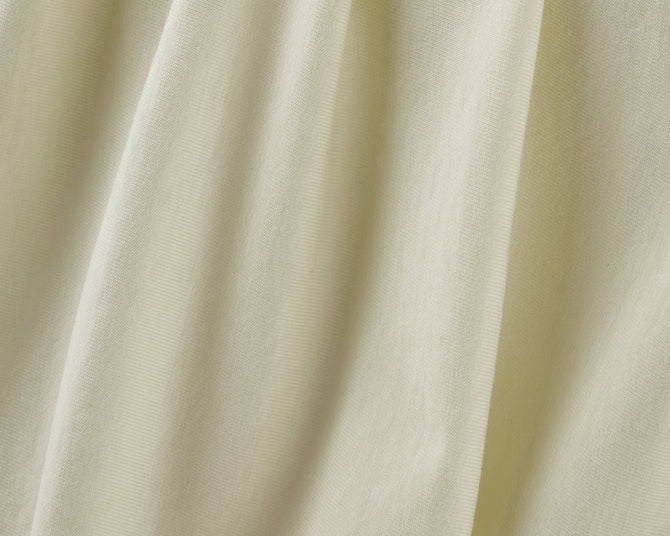



Jacquard knit fabrics bring pattern and texture into the fabric itself. Instead of applying artwork to a finished surface, the design is created as the yarns are knitted. For casualwear, this opens up a useful possibility: even a simple T-shirt, sweatshirt, or coordinated set can have a distinctive identity through its fabric. However, Jacquard describes a way of creating patterns—not one fixed fiber composition, weight, or hand feel.
How Jacquard Knitting Creates Patterns
In Jacquard knitting, selected needles form different stitches or work with different yarns according to a planned design. This can produce geometric motifs, checks, tonal patterns, or subtle changes in surface relief.
Color is only one route. A multi-color Jacquard uses yarn selection to build a pattern directly into the knit, while a textured Jacquard may use stitch variations to create raised and recessed areas with little or no color contrast. The result can be graphic and obvious, or understated enough to register mainly through light and shadow.
Unlike a printed jersey, where the design is applied after the fabric is made, Jacquard's character comes from its knitted construction. The reverse side may also look different from the face, especially when unused yarns are carried behind the pattern.
From Subtle Texture to Statement Surfaces
One of Jacquard's strengths is the range of visual effects it can create.
A fine, low-contrast pattern adds depth to minimalist casualwear without competing with the silhouette. Small geometric repeats can make an otherwise plain sweatshirt feel more considered. Larger motifs, contrasting yarns, or more pronounced relief create a stronger visual statement for fashion-led pieces.
The scale of the pattern matters. A small repeat may read as an almost solid surface from a distance, then reveal detail up close. A bold repeat becomes part of the garment's overall graphic design. Designers should consider how the motif will appear across the chest, sleeves, seams, and larger panels—not just on a small swatch.
How Jacquard Affects Hand Feel and Drape
Jacquard does not automatically mean heavy, stiff, or bulky. A lighter single-knit Jacquard can feel relatively flexible and comfortable, while some double-knit Jacquard constructions have a fuller hand and more body. Yarn choice, stitch density, backing structure, finishing, and fabric weight all influence the result.
Texture can change the way a fabric feels against the skin, too. A fine, smooth pattern may suit an everyday top, whereas a more pronounced surface could be better placed in an outer layer. With color-patterned Jacquards, the reverse side deserves attention: exposed floats may affect comfort or snagging, depending on their length and placement.
Drape should always be evaluated on the actual fabric. Two Jacquards with similar motifs may hang very differently if their yarns and structures differ.
Casualwear Applications: Matching Texture to Silhouette
- Elevated T-shirts and tops: Fine tonal patterns add interest to simple cuts while keeping the overall look restrained.
- Sweatshirts and relaxed sets: Medium- or heavier-weight Jacquards can create a more substantial visual surface, particularly when the design calls for some shape.
- Casual trousers and overshirts: Textured constructions can give broad fabric panels greater character, provided the drape, stretch, and surface durability suit the garment.
- Statement pieces: Larger motifs or contrasting yarns can become the main design feature, reducing the need for additional print or decoration.
A concrete example is Regen-tech Fashion's 7003, a 380 gsm, 100% cotton single-knit Jacquard that combines multicolored slub yarns with a denim-inspired appearance. It illustrates a more substantial casualwear direction rather than a universal Jacquard profile.
Jacquard vs. Plain Jersey: Which Should You Choose?
Plain single jersey is useful when designers want an even surface, straightforward drape, or a clean base for printing. Jacquard is worth considering when the fabric itself should carry more of the design story.
That added character comes with trade-offs. A detailed pattern may require more development work, and a backing structure can affect weight, stretch, and feel. Neither fabric is automatically better: the choice depends on how visible the texture should be and how the finished garment needs to move.
Before choosing a Jacquard, compare full-size swatches in natural light, inspect both sides, and drape the fabric over a form. Check whether the pattern scale works with the garment pieces, then assess stretch, recovery, washing behavior, and surface snagging against the intended use.
For modern casualwear, Jacquard offers more than decoration. Used thoughtfully, it connects fabric texture with silhouette and gives familiar garments a recognizable surface identity.
FAQ
How does jacquard knit differ from printed or embroidered fabrics in casualwear applications?
Jacquard knit integrates patterns directly into the fabric structure during knitting—using selective needle engagement—so motifs are three-dimensional, durable, and wash-resistant. Unlike prints (which sit on the surface and may fade or crack) or embroidery (which adds weight and stiffness), jacquard offers inherent texture, visual depth, and longevity without compromising comfort or drape.
What fiber options are most suitable for sustainable jacquard knit casualwear?
Popular sustainable options include TENCEL™ lyocell (from certified eucalyptus forestry), recycled polyester (from post-consumer plastic bottles), organic cotton, and linen–TENCEL™ blends. These fibers support eco-conscious production while maintaining jacquard’s signature structure, breathability, and soft hand feel—ideal for brands pursuing certifications like GOTS, GRS, or OEKO-TEX®.
Can jacquard knit be used for both lightweight tops and structured bottoms? What weight ranges work best?
Yes—jacquard knit is highly versatile by gauge and construction. Lightweight (160–220 gsm) versions excel in tees and layering tops; midweight (220–280 gsm) suits crewnecks and cardigans; and heavier constructions (280–340 gsm) with wool or linen blends provide the drape, recovery, and subtle compression needed for tailored trousers and wide-leg pants—without the rigidity of woven suiting fabrics.
How does jacquard knit enhance garment silhouette and fit in casual pieces?
Because pattern density and stitch orientation affect stretch, recovery, and surface tension, jacquard can actively shape perception and performance: vertical motifs elongate the torso, horizontal repeats add gentle width across the chest or hips, and honeycomb or waffle structures offer breathable compression. This makes it ideal for relaxed-fit garments that retain clean lines and intentional volume after repeated wear and washing.
Is jacquard knit compatible with modern digital design workflows and small-batch production?
Yes—contemporary jacquard knitting machines accept digital pattern files (e.g., .JPG or .PLT via CAD software), enabling rapid prototyping, colorway variations, and short-run production without screen setup or minimum order constraints. This supports agile development for fashion brands iterating on seasonal motifs, tonal textures, or custom geometries—even down to 50–100 meters per design.
Related Blogs
Add a short description for your brand news

Nylon vs Polyester for Stretch Knit Fabrics: Which Performs Better in Modern Knitwear?

Best Knit Fabrics for Athleisure: Performance Meets Style

Knit Structures Used in Athleisure Fabrics: A Guide for Performance & Fabric Development