


Is Lyocell Fabric Stretchy?
Lyocell is a regenerated cellulose fiber made from wood pulp, valued for its softness, breathability, and smooth hand feel. But is lyocell fabric stretchy?
Lyocell fibers are not inherently elastic like spandex or elastane. However, lyocell knitted fabrics can offer comfortable stretch through their construction. The amount of stretch depends on the fabric structure, yarn characteristics, and finishing process.
Pure lyocell woven fabrics, such as poplin or twill, generally have limited stretch unless designed with stretch yarns or special constructions. In contrast, lyocell knits, including jersey, rib, and interlock, gain mechanical stretch from their looped yarn structures. These loops allow the fabric to extend, particularly across its width, making lyocell knits suitable for T-shirts, dresses, and comfortable everyday clothing.
Key Characteristics That Shape Performance
- Hand Feel: Lyocell fabrics are known for their smooth, soft touch. Depending on the yarn and finishing process, lyocell knits can offer a silky surface or a softer, brushed texture.
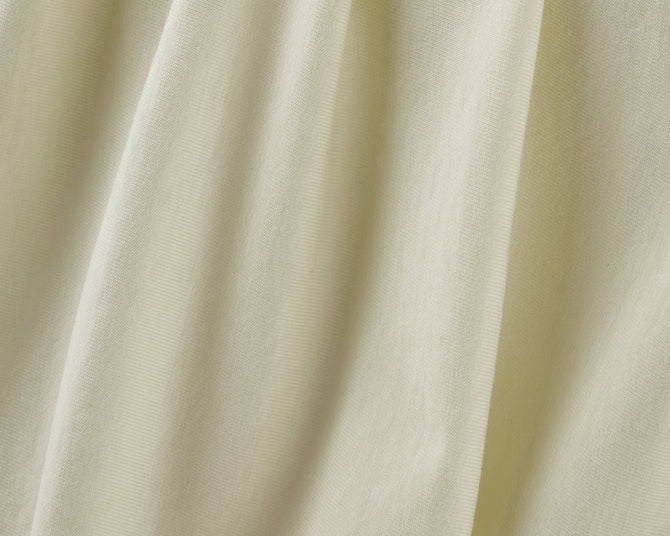
- Drape & Structure: Lyocell often creates fluid, comfortable fabrics with an attractive drape. Lightweight jersey knits work well for relaxed tops and dresses, while compact interlock and double-knit constructions can provide more body and structure.
- Moisture Management: Lyocell fibers have good moisture absorption properties, helping manage moisture next to the skin. However, drying speed and moisture transport depend on fabric construction, thickness, and finishing.
- Stretch Behavior: Lyocell knits can stretch through their knitted structure, even without elastane. However, stretch and recovery are different properties. Adding elastane can improve elasticity and help fabrics return to their original dimensions after stretching.
Apparel Applications: Matching Fabric Traits to Garment Needs
Lyocell knitted fabrics are used across various apparel categories, particularly where softness, comfort, and drape are important.
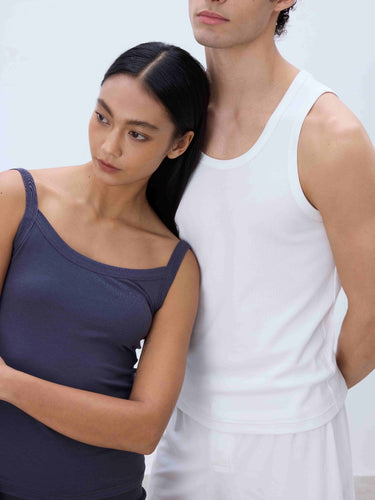
- Tops & T-shirts: Lightweight lyocell jersey provides a smooth surface, fluid drape, and comfortable mechanical stretch. It is suitable for relaxed-fit T-shirts, casual tops, and everyday essentials.
- Dresses & Skirts: Lyocell jersey and interlock fabrics offer different combinations of drape, stretch, and structure. Lightweight constructions suit flowing silhouettes, while more compact knits can provide additional body for structured designs.
- Loungewear & Layering Pieces: Soft lyocell knits, including brushed and blended constructions, can be used for comfortable lounge sets, long-sleeve tops, and next-to-skin layering garments.
- Tailored Casualwear: Compact lyocell double knits can provide a smoother, more structured appearance for casual trousers, skirts, and other garments that require a balance of comfort and shape.
Blending lyocell with other fibers creates additional possibilities for fabric development:
- Lyocell + Wool: Combines lyocell's smooth hand feel with wool's natural characteristics. Depending on the blend and knit construction, these fabrics can work well for comfortable layering and next-to-skin apparel.
- Lyocell + Linen: Combines lyocell's fluid drape with linen's distinctive dry texture. These blends can be developed into lightweight summer knits with a natural appearance and comfortable stretch from the knitted structure.
- Lyocell + Elastane: Adds elastic stretch and improves recovery, making these blends suitable for fitted tops, stretch dresses, and garments that require greater freedom of movement.
- Lyocell + Polyester: Offers opportunities to adjust fabric durability, dimensional stability, and other performance characteristics, depending on the yarn selection and fabric construction.
Why This Matters for Apparel Brands and Designers
For apparel brands and fabric buyers, understanding the difference between fiber elasticity and fabric stretch is important when selecting lyocell materials.
A pure lyocell jersey may provide enough mechanical stretch for a relaxed T-shirt or casual dress. However, fitted garments that require repeated stretching and reliable recovery may benefit from an elastane blend.
Fabric construction also matters. Jersey, rib, and interlock knits can behave differently in terms of stretch, recovery, drape, and dimensional stability. Even fabrics with the same fiber composition may perform differently depending on yarn selection, knitting parameters, and finishing.
When sourcing lyocell knitted fabrics, buyers should consider the intended garment fit, required stretch direction, recovery performance, and care requirements. Physical samples and relevant fabric tests can help confirm whether a material meets the needs of a specific design.
Lyocell also offers opportunities for brands exploring cellulosic materials. Its environmental profile depends on factors such as wood sourcing, manufacturing processes, and chemical recovery systems. For example, TENCEL™ Lyocell is manufactured using a closed-loop process that recovers more than 99% of the solvent.
So, is lyocell fabric stretchy? Yes, lyocell knitted fabrics can stretch, but the stretch comes primarily from their construction rather than the fiber itself. For relaxed everyday clothing, pure lyocell knits may provide sufficient flexibility. For more fitted or movement-focused garments, lyocell-elastane blends can offer stronger stretch recovery and greater flexibility in garment design.
FAQ
Does lyocell fabric stretch on its own?
No — pure lyocell fiber is not inherently elastic and lacks natural rebound. Its stretch comes from fabric construction (e.g., knits), not the fiber itself. Woven lyocell fabrics are generally stable and minimally stretchy, while knitted lyocell offers mechanical stretch due to looped yarn structures.
How much stretch can I expect from lyocell knit fabric?
Well-constructed lyocell knits typically offer 15–25% two-way stretch — enough for comfortable movement and moderate recovery, but less snap-back than spandex-blended fabrics. For enhanced recovery in fitted styles, consider adding 3–5% elastane.
Can lyocell be used for form-fitting apparel like bodysuits or leggings?
Pure lyocell knits alone are not ideal for high-stretch, high-recovery applications like leggings or bodysuits. However, blending lyocell with 5–10% elastane creates a premium, breathable, and shape-retentive fabric perfect for sustainable activewear and close-fitting designs.
How does lyocell’s stretch compare to cotton or rayon knits?
Lyocell knits generally offer better dimensional stability and recovery than viscose/rayon knits, which tend to overstretch and bag out. Compared to cotton jersey, lyocell provides smoother drape, softer hand feel, superior moisture wicking, and more consistent, gentle stretch — especially in mid- to heavy-weight constructions.
What garment types best leverage lyocell’s stretch and drape properties?
Lyocell knits excel in T-shirts, draped dresses, relaxed tunics, A-line skirts, tailored blouses (using double knits), and elevated loungewear. Their balanced stretch, fluid drape, and breathability make them ideal for contemporary essentials where comfort, sustainability, and refined aesthetics converge.
Related Blogs
Add a short description for your brand news

Is Lyocell Good for Athleisure? Performance, Comfort & Fabric Development Insights

How Durable Is Lyocell? Tensile Strength and Pilling Resistance Explained

Lyocell Fabric: Everything You Need to Know About This Sustainable Textile Material in 2026