


Loose-fit yoga and studio tops need fabrics that move comfortably with the body while creating a relaxed, natural silhouette. Unlike compression activewear, these garments typically prioritize fluid drape, next-to-skin softness, breathability, and comfortable movement over high levels of stretch.
From draped tank tops to oversized T-shirts and relaxed layering pieces, the right knitted fabric can make a significant difference in how a garment looks, feels, and performs.
For apparel brands developing yoga, Pilates, and studio-to-street collections, understanding the relationship between fiber composition, knit construction, and garment silhouette is the starting point for choosing the right fabric.
What Makes a Good Fabric for Loose-Fit Studio Tops?
Several fabric characteristics are particularly important when designing relaxed studio apparel.
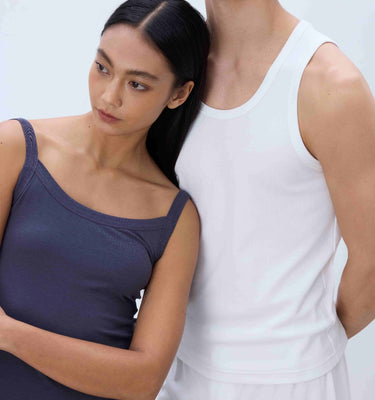
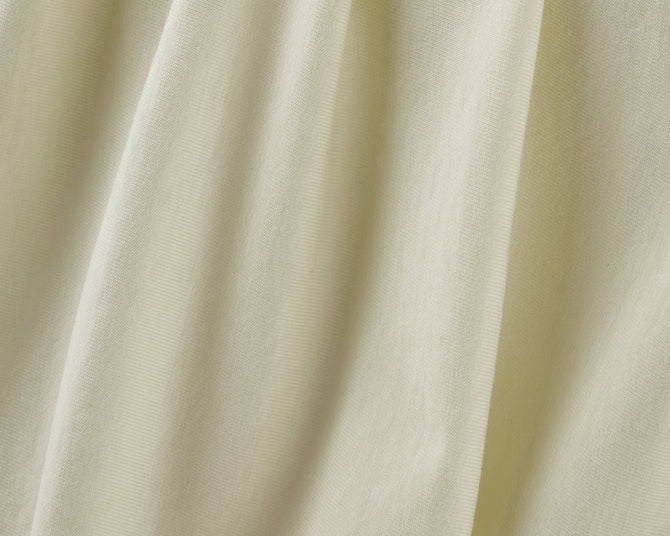
- Fluid Drape: Softly draping fabrics create natural folds and flowing silhouettes. Lyocell and modal-based knits are particularly appealing for garments designed to fall loosely around the body rather than hold a rigid shape.
- Next-to-Skin Softness: Smooth, comfortable surfaces are valuable for yoga and studio tops worn directly against the skin. Fiber selection, yarn quality, and finishing all influence how a fabric feels during movement.
- Breathability and Moisture Comfort: Lightweight, breathable knit constructions can improve comfort during gentle yoga, Pilates, stretching, and everyday activities. Moisture-absorbing fibers such as cotton and lyocell can also contribute to a comfortable wearing experience.
- Comfortable Stretch and Shape Retention: Loose-fitting garments do not necessarily require high levels of four-way stretch. However, sufficient stretch for reaching, twisting, and bending is important, while appropriate fabric recovery helps maintain the intended silhouette.
The ideal balance depends on the design. A flowing yoga tank may benefit from soft, fluid jersey, while a boxy studio T-shirt may require more structure to maintain its relaxed shape.
Best Knit Fabric Options for Loose-Fit Yoga Tops
1. Lyocell and Modal Jersey: Softness and Fluid Drape
Lyocell and modal are excellent starting points for studio tops that emphasize softness and movement.
Lyocell jersey often offers a smooth hand feel, gentle surface luster, and graceful drape. Its moisture absorption properties also make it appealing for comfortable, lightweight garments worn close to the skin.
Modal jersey is valued for its exceptionally soft touch and fluid appearance, making it suitable for relaxed tanks, layering tops, and comfortable studio-to-street essentials.
Both can work well in loose silhouettes where the fabric is intended to move naturally around the body.
For designers, the main consideration is balancing fluidity with structure. Very lightweight or highly drapey constructions may cling more closely to body contours or become too revealing for certain styles. Fabric weight, knit density, and opacity should therefore be evaluated alongside softness.
2. Cotton and Cotton-Lyocell Jersey: Familiar Comfort with Balanced Structure
Cotton remains a versatile choice for relaxed yoga-inspired tops, particularly those intended for both studio use and everyday casualwear.
Cotton jersey provides a familiar, soft hand feel with a natural, understated appearance. Depending on yarn selection, weight, and finishing, it can create either lightweight, relaxed garments or more substantial T-shirts with a defined silhouette.
Blending cotton with lyocell introduces another possibility.
Cotton-lyocell jersey can combine cotton's familiar touch with the smoother surface and more fluid drape associated with lyocell. This makes it an attractive option for brands looking to create refined everyday essentials without losing the comfortable character of cotton.
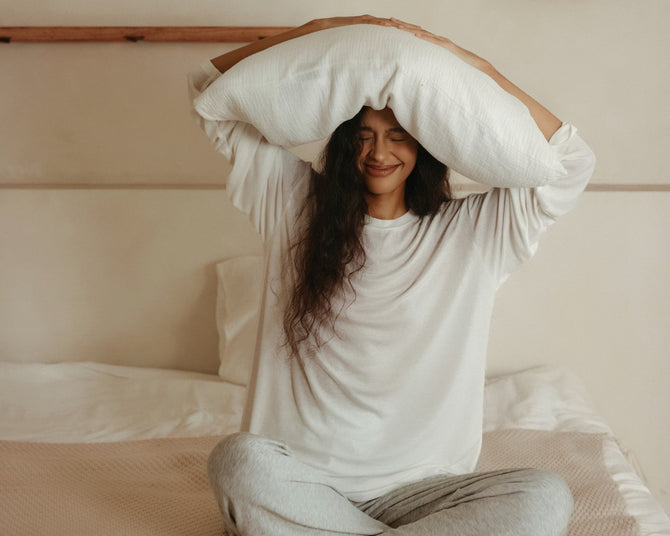
These fabrics are particularly suitable for relaxed crewnecks, oversized T-shirts, and casual studio layers.
3. Lyocell-Linen Jersey: Natural Texture for Relaxed Studio Style
For brands seeking a more distinctive material appearance, lyocell-linen blends offer an appealing combination of texture and softness.
Linen contributes a naturally dry hand feel, subtle irregularities, and the relaxed visual character associated with summer clothing. Lyocell can soften the overall touch and introduce a smoother, more flowing drape.
In lightweight knitted constructions, this combination can create breathable, comfortable fabrics with a natural texture that distinguishes them from conventional smooth jersey.
Lyocell-linen jersey is especially relevant for loose summer tops, relaxed tunics, and lightweight layering pieces.
Its slightly textured appearance also works well for studio-to-street collections where natural materials and understated design are central to the brand aesthetic.
4. Lightweight Interlock: A More Defined Relaxed Silhouette
Not every loose-fit top needs a highly fluid fabric.
Some designs, particularly boxy T-shirts and structured relaxed tops, benefit from a cleaner silhouette with more body.
Lightweight interlock fabrics can offer a smooth surface, relatively stable construction, and greater coverage than many comparable lightweight single jerseys.
Depending on fiber composition and fabric weight, interlock can provide a useful balance of softness, comfortable movement, and shape definition.
For brands developing elevated athleisure collections, it offers an alternative to highly drapey fabrics when a more controlled silhouette is preferred.
Matching Fabric Choice to Garment Design
Different loose-fit studio tops require different fabric behaviors.
| Garment Style | Suggested Fabric Direction | Key Design Priority |
|---|---|---|
| Draped yoga tanks | Lyocell or modal jersey | Fluid drape and softness |
| Oversized studio T-shirts | Cotton or cotton-lyocell jersey | Relaxed comfort with some structure |
| Lightweight summer tunics | Lyocell-linen jersey | Breathability and natural texture |
| Boxy studio tops | Lightweight interlock | Clean silhouette and shape definition |
| Soft layering tops | Lightweight lyocell blends | Comfortable movement and gentle drape |
These are starting points rather than fixed rules. Yarn selection, fabric weight, knit density, and finishing can significantly change the behavior of fabrics with similar fiber compositions.
What Should Brands Check Before Selecting a Fabric?
A fabric may feel excellent as a swatch but behave differently when made into a garment.
Before confirming a material for production, apparel developers should consider several practical questions:
- Drape and silhouette: Does the fabric fall naturally, or does it cling, collapse, or create unwanted bulk?
- Movement comfort: Does the top allow reaching, twisting, and bending without uncomfortable restriction or excessive shifting?
- Opacity and coverage: Does the fabric provide sufficient coverage when stretched, layered, or exposed to strong studio lighting?
- Shape retention: Does the garment maintain its intended fit after repeated movement and laundering?
- Surface appearance: Does the fabric retain an acceptable appearance after washing and normal wear?
For garments intended for active practice, testing the actual sample during forward bends, overhead stretches, and other movements is especially useful. A relaxed silhouette should provide freedom of movement without compromising coverage or comfort.
Brands prioritizing responsible sourcing should also review relevant fiber certifications, material traceability, and product-specific documentation rather than relying on broad sustainability claims.
Final Thoughts
The best knit fabric for a loose-fit yoga or studio top depends on the balance between drape, softness, structure, and movement comfort.
Lyocell and modal jerseys are compelling choices for fluid, soft silhouettes. Cotton blends offer familiar comfort and versatility, while lyocell-linen fabrics introduce natural texture and a relaxed summer aesthetic. Lightweight interlock provides another direction when a cleaner, more structured shape is desired.
By selecting fabrics around the intended garment rather than focusing on fiber composition alone, apparel brands can develop studio collections that feel comfortable, look refined, and transition naturally into everyday wear.
FAQ
What knit fabric properties are most critical for loose-fit yoga and studio tops — and why?
The three most critical properties are drape, softness/surface texture, and controlled stretch with reliable recovery. Drape ensures elegant, unstructured silhouettes that flow naturally with movement; softness minimizes skin friction during floor-based poses or extended wear; and balanced 4-way stretch (20–35% widthwise, 15–25% lengthwise) supports mobility without bagging or rigidity — all essential for garments prioritizing ease over compression.
Which sustainable knit fabrics are best suited for high-drape, comfortable studio tops?
Top sustainable options include TENCEL™ Lyocell blends (e.g., with wool or linen) for biodegradability, moisture management, and refined drape; organic cotton knits (brushed or single-jersey, 160–220 g/m²) for breathable, traceable softness; and thoughtfully blended recycled polyester (e.g., with TENCEL™ or organic cotton) to reinforce seams/hems while preserving hand feel and end-of-life considerations.
How can sourcing teams practically evaluate drape before committing to a knit fabric?
Hold a 30 cm square sample by one corner and observe its vertical fall: a slow, even cascade indicates excellent drape for fluid silhouettes, while sharp folding, stiffness, or resistance to hang signals poor suitability. Also test horizontal drape by laying the fabric over a curved surface — it should conform smoothly without creasing or springing back abruptly.
Why is 'controlled stretch' more important than maximum elasticity for loose-fit studio tops?
Loose-fit tops rely on intentional ease—not muscle engagement—so excessive elasticity causes unwanted distortion: bagging at underarms, stretched-out hems, or loss of silhouette integrity after wear or washing. Controlled stretch (20–35% widthwise, 15–25% lengthwise) with strong recovery maintains shape through movement and laundering, while still allowing full range of motion for yoga postures like twists and reaches.
What construction types deliver optimal balance of softness, drape, and recovery for draped tunics or asymmetric tops?
Double-knit and scuba-style knits often provide the ideal balance — offering substantial body, clean recovery, and smooth drape without stiffness. For lighter, airier pieces, fine-gauge brushed single-jerseys (especially in TENCEL™ or organic cotton) deliver exceptional softness and fluid movement, while structured linen/TENCEL™ blends add subtle volume and natural shape retention for elevated drape-focused designs.
Related Blogs
Add a short description for your brand news

Nylon vs Polyester for Stretch Knit Fabrics: Which Performs Better in Modern Knitwear?

TENCEL™ × Wool Fabric GSM Guide: How to Choose 140g, 160g, or 200g for Different Garments

Best Knit Fabrics for Athleisure: Performance Meets Style