


Softness can define the appeal of an everyday garment, especially when the design is simple. Acrylic-viscose-cotton knit fabrics bring together three familiar fibers to create a soft, comfortable material with a subtly plush, wool-like hand feel. Depending on the yarn, knit construction, and finishing, these blends can range from lightweight, flexible fabrics for fitted tops to fuller, warmer-feeling options for seasonal layering.
For apparel brands, their appeal lies in combining tactile comfort with different surface textures and garment styles—all within a versatile blended-fiber concept.
What Makes Acrylic-Viscose-Cotton Blends Feel Different?
Each fiber contributes a different quality to the finished fabric.
- Acrylic: Softness and Loft. Acrylic fibers can be engineered to create a fluffy, wool-like character. In suitable yarn constructions, they contribute volume and a soft, gently warm hand feel without requiring a high fabric weight. This makes acrylic particularly useful for comfortable knit tops and seasonal layering pieces.
- Viscose: Smoothness and Drape. Viscose adds a soft, smooth touch and fluidity to the blend. Its moisture-absorbing nature also supports comfortable everyday wear. When combined with loftier acrylic fibers, viscose can help create a fabric that feels plush without becoming excessively bulky or stiff.
- Cotton: Familiar Comfort and Natural Touch. Cotton contributes its characteristic soft, familiar hand feel. Combed cotton, with shorter fibers and impurities removed during processing, can also help produce cleaner, more uniform yarns. Its contribution to fabric body depends on the blend ratio, yarn design, and knit construction.
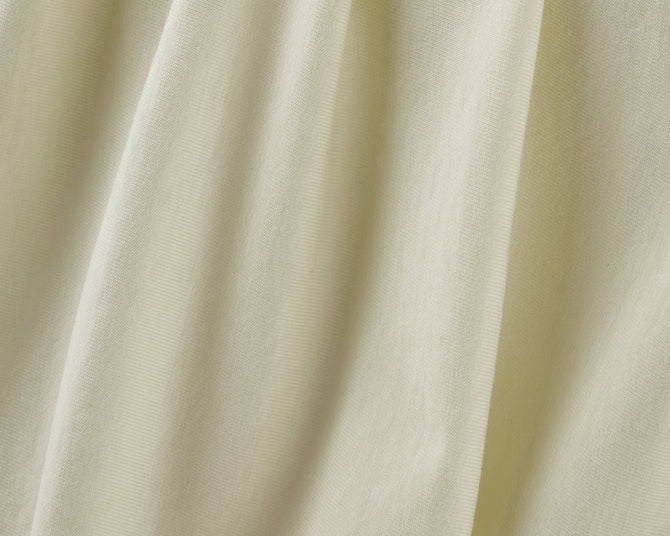
Together, these fibers can create a balanced tactile experience: the gentle loft of acrylic, the smoothness of viscose, and the familiar comfort of cotton.
The result is particularly appealing for apparel collections that prioritize how a garment feels against the skin.
How Yarn and Knit Construction Change the Fabric
Two fabrics with similar acrylic-viscose-cotton compositions can look and feel surprisingly different.
Soft Rib Knits for Everyday Essentials
Rib constructions are a natural choice for fitted tops and comfortable layering garments. Their alternating knit and purl stitches create vertical texture and allow the fabric to stretch as the loops open.
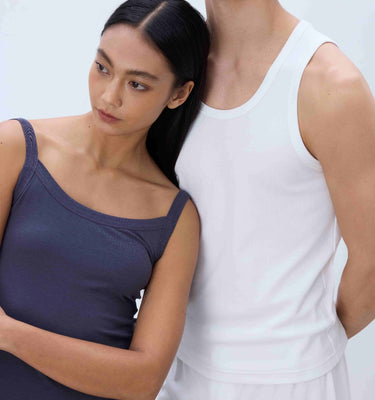
In acrylic-viscose-cotton blends, rib knitting can combine a softly textured surface with flexible, body-following movement. Where additional elastane is incorporated, the fabric can provide stronger stretch recovery and support a more consistent fitted silhouette.
These characteristics are especially useful for long-sleeve tops, close-fitting T-shirts, and other wardrobe essentials.
Slub Yarns for Natural-Looking Texture
Slub yarns introduce intentional variations in yarn thickness, producing subtle irregularities across the knitted surface.
In a soft ACR blend, this effect can add visual depth without sacrificing the fabric's comfortable character. Compared with a uniform rib, a slub-textured version often feels more relaxed and expressive.
For brands developing casualwear or understated fashion basics, the combination of a wool-like hand feel and irregular surface texture offers a way to make simple silhouettes more distinctive.
Brushed Finishes for a Plush Surface
Brushing raises fine fibers from the fabric surface, creating a soft nap and a more pronounced fuzzy touch.
Applied to suitable acrylic-viscose-cotton constructions, this process can enhance the perception of warmth and softness, making the fabric attractive for cooler-weather garments and comfortable midlayers.
However, the brushing intensity, fiber blend, and underlying knit all influence the final appearance, durability, and pilling behavior. A lightly brushed surface and a dense fleece-like finish can produce quite different garments.
Why These Fabrics Work for Everyday Layering
Layering fabrics need to feel comfortable while accommodating different garment silhouettes and seasonal requirements.
A soft, relatively lightweight rib knit can work well for fitted long-sleeve tops worn beneath cardigans, overshirts, or jackets. Its textured surface adds subtle visual interest even when the garment is worn alone.
For transitional seasons, fuller constructions can provide a cozier hand feel without necessarily requiring a heavy outerwear fabric. This makes them appealing for relaxed tops, comfortable matching sets, and casual everyday pieces.
The balance between softness and structure is particularly important. A highly fluid fabric may feel pleasant but reveal more of the body's contours, while a denser rib or double-knit construction can offer a more substantial appearance.
For designers, choosing the right fabric means considering not only how soft the swatch feels, but also how it hangs, stretches, and behaves in the intended garment.
Choosing the Right Acrylic-Viscose-Cotton Knit Fabric
When evaluating these blends for a collection, several details deserve attention.
- Hand Feel and Surface Character: Decide whether the garment needs a smooth, softly plush, visibly slubbed, or brushed appearance. Each creates a different impression, even with similar fiber compositions.
- Stretch and Silhouette: For fitted tops, examine the rib structure, elastane content, and recovery after stretching. For relaxed silhouettes, drape and fabric body may matter more than high elasticity.
- Weight and Seasonal Use: Lighter constructions can suit everyday tops and transitional layering, while fuller or brushed versions may be more appropriate for cooler-weather garments.
- Appearance After Washing: Check dimensional stability, pilling, surface changes, and color consistency on actual samples. These characteristics depend on the complete fabric construction and finishing process rather than the fiber blend alone.
Comparing swatches at the same time is especially valuable. Touching, stretching, draping, and inspecting the fabrics under natural light can reveal differences that composition labels cannot communicate.
Exploring the Mousse / ACR Fabric Concept
Regen-tech Fashion's Mousse collection is built around acrylic, EcoCosy® viscose, and combed cotton, combining a soft, wool-like tactile character with different knit structures and surface treatments.
The collection includes classic soft rib constructions, subtle slub-textured variations, and extended options incorporating wool or specialized surface finishing.
These developments illustrate how one blended-fiber concept can support different design directions—from clean, fitted everyday essentials to more textured and cozy seasonal garments.
Rather than treating softness as a single fixed property, the Mousse approach explores how fiber selection, yarn development, knitting, and finishing can shape the complete fabric experience.
Final Thoughts
Acrylic-viscose-cotton knit fabrics offer more than a soft touch. Their combination of loft, smoothness, and familiar comfort creates opportunities for everyday garments that feel inviting while offering varied surface textures and silhouettes.
For apparel brands, the most useful choice is not simply the softest blend, but the construction that delivers the right balance of hand feel, appearance, stretch, and garment structure.
Explore Regen-tech Fashion's Mousse knit fabric collection to discover how soft ACR blends, distinctive textures, and different knit constructions can bring new possibilities to your everyday apparel designs.
FAQ
What are the typical fiber ratios in acrylic-viscose-cotton knit fabric, and why is this blend balanced?
The most common ratio is 40% acrylic, 35% viscose, and 25% cotton—a carefully balanced tri-blend that combines acrylic’s resilience and quick-drying properties, viscose’s silky drape and luster, and cotton’s breathability and natural softness. This balance avoids the weaknesses of single-fiber knits: less pilling than 100% acrylic, better shape retention than pure viscose, and superior softness and stability versus 100% cotton jersey.
How does this fabric perform for next-to-skin wear, especially in layering pieces like base tees or lightweight cardigans?
It excels for next-to-skin wear due to its silky-soft hand feel—achieved through fine-knit construction and finishing techniques like light brushing or mercerization—and gentle thermal neutrality (neither cool nor overly insulating). Its smooth surface minimizes friction under outer layers, while its moderate stretch and recovery ensure comfort during movement without cling or gapping—ideal for base tees, camisoles, and lightweight open-knit cardigans.
Is acrylic-viscose-cotton knit suitable for both fitted and relaxed silhouettes? How does it hold shape?
Yes—it offers exceptional versatility across fits. Its fluid drape supports relaxed styles like draped tunics and wide-leg trousers, while its inherent structure and 20–30% horizontal stretch with strong elastic memory allow it to retain shape in fitted garments such as crewnecks, tapered sleeves, and ribbed hems—resisting bagging at cuffs and waistbands even after repeated wear and washing.
How does this blend handle moisture and breathability compared to 100% cotton or polyester knits?
It strikes a practical middle ground: viscose and cotton provide capillary wicking and airflow for breathability, while acrylic enhances moisture dispersion and accelerates drying—making it more responsive than 100% cotton in humid or layered environments, and more breathable and less clammy than polyester-dominant knits. It’s especially effective for indoor-outdoor transitions and low-to-moderate activity wear.
What care considerations should brands and consumers keep in mind for longevity and appearance retention?
Machine wash cold on gentle cycle, tumble dry low or lay flat to dry—avoid high heat, which can degrade viscose and reduce acrylic’s elasticity. Iron on low/viscose setting if needed; avoid steam-heavy ironing. The blend resists shrinkage better than 100% cotton but benefits from pre-shrinking during manufacturing. Proper care maintains its soft hand, matte finish, and shape retention across 30+ wears.
Related Blogs
Add a short description for your brand news

Cotton vs Polyester in Knit Fabrics: Comfort or Structure for Urban Commuterwear?

Blended Knit vs 100% Cotton: Why Engineered Structures Win in Modern Apparel

The Science of Soft Strength: Inside Regentech’s Sanrenity Knit Collection