


What Is Brushed Knit Fabric? Texture and Clothing Uses
Brushed knit fabric is a knitted textile that has undergone a mechanical finishing process to create a softer, slightly fuzzy surface. By raising fine fibers from the fabric, brushing produces a gentle nap that adds softness, warmth, and visual depth.
Unlike jersey, rib, or interlock, brushed knit is not a specific knitting structure. It describes a surface finish that can be applied to different types of knitted fabrics. A lightweight jersey may receive a subtle, peach-like finish, while a heavier double-knit fabric can be brushed to develop a fuller, more plush texture.
This versatility makes brushed knit fabrics suitable for a wide range of clothing, from soft layering tops and fitted basics to loungewear, sweatshirts, and casual outerwear.
How Is Brushed Knit Fabric Made?
Brushing is a mechanical finishing process that uses specialized rollers or brushes to gently lift fibers from the surface of a knitted fabric.
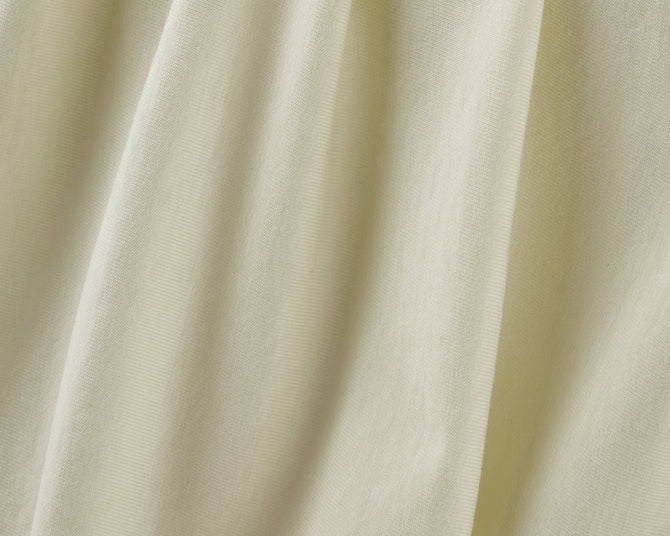
The process creates a layer of fine, raised fibers, often called a nap. Depending on the fabric construction and finishing technique, the result can range from a barely visible, velvety surface to a noticeably fuzzy, fleece-like texture.
Brushing can also be applied in different ways:
- Single-Sided Brushing: Only one side is brushed, allowing the fabric to retain a smoother exterior while providing a softer surface on the inside. This is common in comfortable layering pieces and casualwear.
- Double-Sided Brushing: Both sides are treated to create a soft, plush hand feel throughout the fabric. This approach is often used for cozy loungewear, layering tops, and cooler-weather garments.
- Light Brushing: A gentler finish creates a fine, peach-like texture without dramatically changing the fabric's original appearance or drape.
The final effect depends on the fiber composition, yarn characteristics, knit construction, and intensity of the finishing process.
Brushed Knit vs. Fleece: What's the Difference?
Brushed knit and fleece are closely related, but they are not interchangeable terms.
Brushed knit describes a finishing treatment, while fleece generally refers to a category of fabrics characterized by a soft, insulating, often raised surface.
Many fleece fabrics undergo brushing or napping during production. However, not every brushed knit develops the thick, fluffy texture commonly associated with fleece.
For example, a lightweight cotton jersey can be gently brushed to create a smooth, peach-like hand feel while retaining its relatively thin and flexible construction. A heavier French terry or double-knit fabric may undergo more intensive brushing to produce a denser, warmer surface.
The distinction matters in apparel development. Brands seeking a soft, refined surface for everyday tops may prefer lightly brushed jersey, while those developing warm sweatshirts or winter loungewear may choose a more heavily brushed construction.
Key Characteristics of Brushed Knit Fabrics
Softness and Surface Texture
The most recognizable feature of brushed knit fabric is its soft, tactile surface.
Raised fibers create a gentle nap that can feel velvety, fluffy, or peach-like, depending on the finishing method. The surface can also appear more matte and visually softened than an equivalent unbrushed fabric.
This combination of texture and subtle visual depth can give simple garments a more refined, comfortable appearance without additional decorative details.
Warmth and Comfort
Brushing creates a layer of raised fibers that can help retain small pockets of air near the fabric surface, contributing to a warmer, cozier feel.
For lightweight layering garments, a gently brushed finish can add tactile warmth without necessarily requiring a much heavier base fabric. More heavily brushed constructions can provide a fuller, more insulating feel for cooler-weather clothing.
Actual thermal comfort still depends on fabric thickness, density, fiber composition, and garment design.
Drape and Structure
Brushed knit fabrics can offer very different levels of drape and body.
A lightweight brushed jersey may remain fluid and flexible, making it suitable for soft tops and relaxed silhouettes. A heavier brushed interlock or double-knit construction may provide greater substance and shape retention for sweatshirts, pants, and structured casualwear.
Brushing primarily changes the surface rather than determining the fabric's overall structure. This allows designers to combine a soft hand feel with different garment silhouettes.
Stretch and Recovery
Because brushed knits retain their underlying knitted construction, they can offer the flexibility associated with jersey, rib, interlock, and other knit structures.
However, stretch and recovery depend mainly on the construction, yarn selection, and whether elastane is incorporated into the fabric.
For fitted garments, brushed rib or elastane-blend jersey can combine a soft surface with comfortable stretch and recovery. Relaxed garments may instead prioritize drape, softness, and a more substantial hand feel.
Pilling and Durability
Like other fabrics with raised surface fibers, brushed knits can be susceptible to pilling, particularly in areas exposed to repeated friction.
Pilling performance depends on factors such as fiber characteristics, yarn quality, fabric construction, and finishing intensity.
For apparel brands, evaluating a brushed fabric after repeated washing and abrasion is important, especially when developing garments intended for frequent everyday wear.
Common Clothing Uses of Brushed Knit Fabrics
The versatility of brushed knit fabrics makes them valuable across several apparel categories.
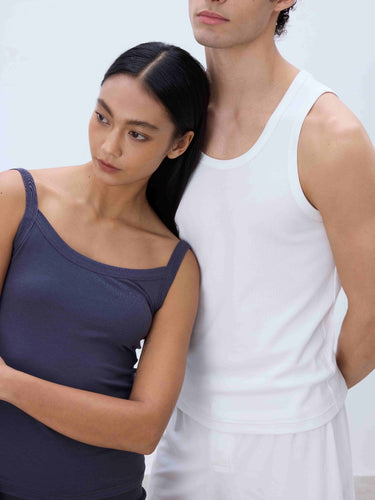
- Layering Tops and Everyday Basics: Lightly brushed jersey and rib fabrics can add a soft, comfortable feel to fitted long-sleeve tops, T-shirts, and everyday layering pieces. A fine nap creates subtle texture without overwhelming the garment's silhouette.
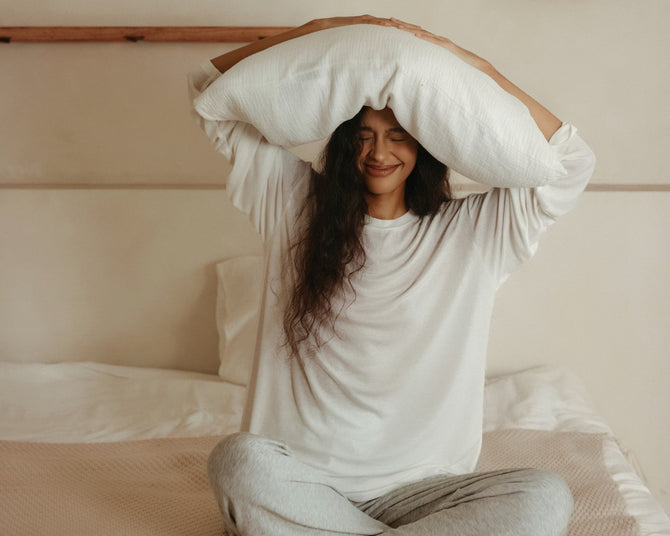
- Loungewear and Relaxed Sets: Brushed knits are well suited to comfortable matching sets, relaxed pants, and soft crewneck tops. Their plush hand feel helps create the cozy, premium character associated with elevated loungewear.
- Sweatshirts and Casualwear: Medium- to heavyweight brushed fabrics can provide warmth and substance for sweatshirts, hoodies, and joggers. Depending on the base construction, they can support either relaxed drape or more defined, structured silhouettes.
- Mid-Layers and Casual Outerwear: Heavier brushed double knits and other substantial constructions can be developed into warm mid-layer pieces, casual jackets, and cooler-weather clothing. Their soft surfaces add comfort while the underlying construction provides the desired garment shape.
Rather than limiting brushing to winter fleece, designers can use different levels of surface finishing to introduce texture and softness into clothing for multiple seasons.
What to Consider When Sourcing Brushed Knit Fabrics
Selecting the right brushed knit involves more than choosing the softest surface.
Fiber composition is an important starting point. Cotton, lyocell, viscose, wool, polyester, and their blends offer different combinations of softness, moisture absorption, warmth, and durability.
Knit construction also influences the final garment. Jersey may be preferred for lightweight tops, rib for fitted silhouettes, and interlock or double-knit structures for garments requiring additional body.
Fabric weight and brushing intensity should be considered together. A lighter fabric with gentle brushing can offer a soft, refined finish, while a heavier construction with a denser nap may be better suited to warm loungewear or structured casualwear. There is no single GSM range that defines brushed knit fabric.
For brands exploring responsible material sourcing, brushed fabrics can also be developed with options such as certified cotton, responsibly sourced cellulosic fibers, or recycled polyester. The overall environmental profile depends on the fiber supply chain, processing, finishing treatments, and garment durability—not brushing alone.
Before bulk production, sourcing teams should evaluate the intended surface appearance, pilling resistance, dimensional stability, and changes in hand feel after washing. These details help ensure that the finished garment delivers the expected comfort and quality.
Choosing the Right Brushed Knit for Your Collection
Brushed knit fabric offers a simple yet versatile way to bring softness, warmth, and surface texture into everyday clothing.
From a fine, peach-like finish on lightweight jersey to a fuller nap on heavier double knits, brushing allows designers to explore different tactile experiences without relying on a single fabric construction.
For apparel brands, the opportunity lies in matching the right fibers, knit structures, and finishing techniques to the intended garment. A thoughtfully developed brushed knit can make familiar essentials feel more distinctive while maintaining the comfort and versatility customers expect.
FAQ
What makes brushed knit fabric different from regular knit fabric?
Brushed knit fabric undergoes a mechanical finishing process—using wire brushes or abrasive rollers—to raise fine surface fibers, creating a soft, velvety nap. This enhances warmth, tactile softness, and visual depth while preserving the underlying knit structure (e.g., jersey or interlock), unlike unbrushed knits which have a smoother, flatter surface and less insulation.
Which fiber compositions work best for high-performance brushed knits?
Longer-staple natural fibers like Pima cotton or TENCEL™ lyocell offer superior softness, drape, and pilling resistance, while recycled polyester adds durability and moisture-wicking. Wool blends provide natural thermoregulation, and balanced blends (e.g., cotton-polyester or TENCEL™-recycled poly) optimize comfort, structure, and sustainability for fashion-forward applications.
Is brushed knit suitable for fitted garments, or does it require relaxed silhouettes?
Brushed knits typically have slightly reduced elasticity and more body due to fiber realignment during brushing, making them better suited for structured casualwear—like tailored joggers, mid-layer tops, or relaxed crewnecks—rather than ultra-fitted styles. Designers should account for this when grading patterns and selecting for drape-sensitive designs.
How should brushed knit garments be cared for to minimize pilling and maintain texture?
To preserve the nap and reduce pilling, wash brushed knits inside out in cold water on a gentle cycle, avoid harsh detergents or fabric softeners, and air-dry or tumble dry on low heat. Turning garments inside out and washing with similar fabrics reduces surface abrasion—critical for maintaining the plush hand feel and refined appearance over time.
What are the most common apparel applications for brushed knit fabric—and why do brands choose it?
Brands use brushed knits primarily for elevated loungewear (hoodies, joggers), layering tops, and premium outerwear linings—valuing its unique blend of cloud-like softness, subtle sheen, and mid-weight warmth without bulk. It delivers perceived luxury and comfort with minimal technical complexity, supporting design intent where tactility, quiet sophistication, and everyday wearability intersect.
Related Blogs
Add a short description for your brand news

Nylon vs Polyester for Stretch Knit Fabrics: Which Performs Better in Modern Knitwear?

Knit Structures Used in Athleisure Fabrics: A Guide for Performance & Fabric Development

Blended Knit vs 100% Cotton: Why Engineered Structures Win in Modern Apparel