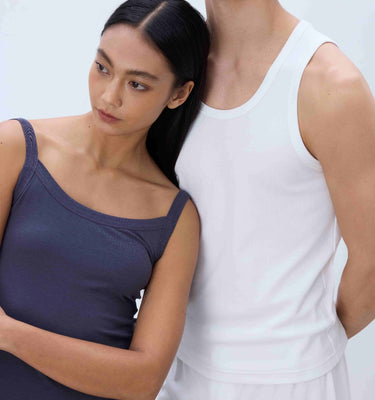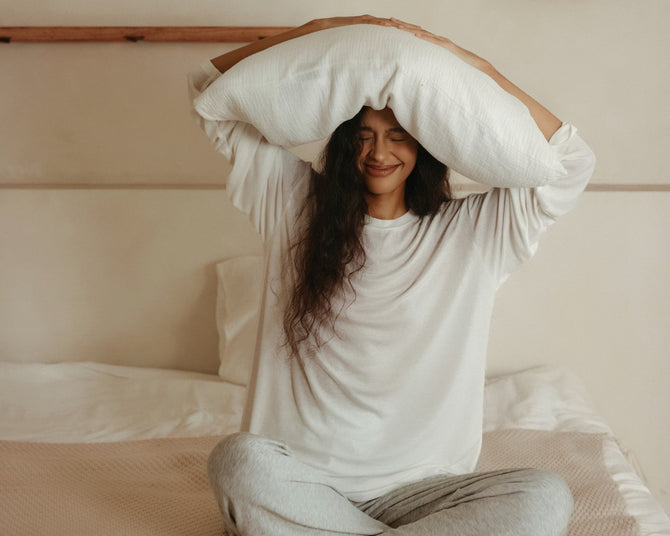
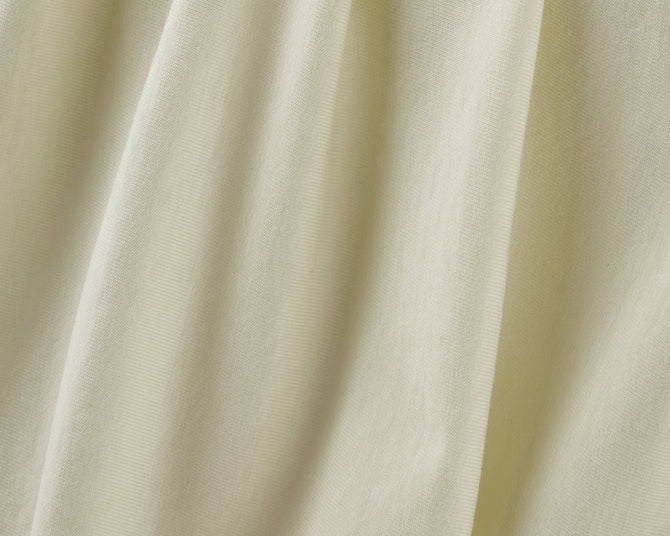



A summer tank top may look simple, but its fabric plays a major role in how the finished garment feels, fits, and drapes. Without sleeves or elaborate design details, the material's texture, weight, and structure become especially noticeable.
Linen-blend knit fabrics offer an appealing combination of natural texture, breathable comfort, and relaxed summer style. By blending linen with fibers such as TENCEL™ Lyocell or cotton, manufacturers can create fabrics that retain linen's distinctive character while offering different levels of softness, drape, and structure.
For apparel brands developing summer tank tops, the key is choosing a blend and knitted construction that complement the intended silhouette.
Why Linen-Blend Knits Work Well for Summer Tank Tops
Linen is valued for its naturally dry hand feel, distinctive texture, and comfortable wear in warm weather. Its subtle slubs and organic appearance also give simple garments a more relaxed, considered aesthetic.
Knitted construction introduces another dimension. Unlike conventional woven linen, linen-blend knits can offer mechanical stretch and more fluid movement through their looped structure. Lightweight, relatively open constructions can also encourage airflow, making them particularly attractive for summer clothing.
Blending linen with other fibers creates further possibilities:
- Linen + TENCEL™ Lyocell: Combines linen's natural texture and dry touch with lyocell's smooth hand feel and fluid drape. This combination is appealing for soft, lightweight tank tops with a refined summer aesthetic.
- Linen + Cotton: Brings together the familiar comfort of cotton and linen's characteristic texture. Depending on the yarn and construction, these blends can offer a drier, more substantial feel suited to relaxed silhouettes.
- Linen + Lyocell + Elastane: Adds stretch and shape recovery to the blend, particularly when used in rib knitted constructions. This makes it useful for fitted tank tops that need to follow body movement while maintaining their shape.
Rather than treating linen content alone as a measure of quality, designers should consider how the entire fiber combination influences the finished fabric.
Key Fabric Characteristics to Consider
Texture and Surface Feel
One of linen's strongest advantages is its natural visual character.
While conventional cotton jersey often creates a relatively uniform surface, linen-blend knits can introduce subtle irregularities, small slubs, and a softly textured appearance. These details give minimalist tank tops visual interest without requiring additional decoration.
The blending fiber also influences the tactile experience. Lyocell can contribute a smoother, softer touch, while cotton-linen blends may retain a more familiar, dry cotton feel.
For brands developing premium summer essentials, this combination of texture and comfort can become an important part of the garment's identity.
Drape and Structure
Tank tops require different levels of drape depending on their intended silhouette.
A relaxed tank top may benefit from lightweight jersey that falls naturally around the body. A more structured, boxy design may call for a fabric with greater body and a slightly firmer hand.
However, fabric weight alone does not determine drape. Yarn characteristics, stitch density, fiber composition, and finishing all influence whether a knit feels fluid, compact, or structured.
A lightweight cotton-linen jersey, for example, may provide a relatively dry and gently structured appearance, while a lyocell-rich blend can introduce softer, more flowing movement.
Stretch and Shape Recovery
Linen fibers do not provide the elastic recovery associated with elastane, but knitted constructions can offer useful mechanical stretch.
For loose-fitting tank tops, that natural flexibility may be sufficient. The garment has more room to move, so it does not necessarily require high stretch or strong elastic recovery.
Fitted tank tops have different requirements. Necklines, armholes, and body panels must accommodate repeated movement without excessive stretching or distortion.
Rib knit structures, especially those incorporating elastane, can provide greater stretch and more reliable recovery than comparable fabrics without elastane.
This distinction is particularly important when choosing between relaxed summer tanks and close-fitting sleeveless tops.
Breathability and Summer Comfort
Linen's dry hand feel and moisture-absorbing characteristics make it a popular choice for warm-weather clothing.
Lyocell and cotton also absorb moisture, contributing to comfortable next-to-skin wear. When these fibers are used in lightweight, breathable knitted constructions, the resulting fabrics can provide an appealing balance of softness, airflow, and summer comfort.
However, moisture absorption does not automatically guarantee rapid drying. Fabric density, thickness, yarn design, and finishing all influence how moisture moves through and evaporates from the material.
For summer tank tops, a comfortable hand feel and an appropriately breathable construction are often more relevant than pursuing unnecessary technical performance claims.
Choosing the Right Linen-Blend Knit for Different Tank Top Styles
The most useful starting point is the intended garment silhouette.
Relaxed and Lightweight Tank Tops
For loose-fitting summer tanks, lightweight linen-lyocell jersey is an attractive option.
Lyocell contributes softness and fluid movement, while linen introduces a natural, slightly dry texture. The combination can create a casual but refined appearance, particularly for relaxed sleeveless tops and summer layering pieces.
A lightweight single jersey construction allows the fabric to fall naturally rather than creating a highly fitted silhouette.
This direction is well suited to brands developing understated, breathable summer essentials.
Fitted Ribbed Tank Tops
Close-fitting tank tops require a different balance of properties.
A linen-lyocell rib knit containing elastane can combine natural texture with the stretch and recovery needed for a fitted garment.
The vertical rib pattern also adds visual definition, turning a simple sleeveless top into a more distinctive piece.
Compared with lightweight jersey, a denser rib construction may provide greater coverage and a more substantial feel. It can be particularly useful for fitted tanks, sleeveless knit tops, and styles that emphasize body shape.
Boxy and Structured Summer Tanks
For boxy or more structured tank tops, cotton-linen jersey is another option worth exploring.
Cotton can contribute a familiar, comfortable base, while a higher proportion of linen can create a drier hand feel and more pronounced natural texture.
With an appropriate yarn and knitting construction, these fabrics can support relaxed silhouettes without relying entirely on fluid drape.
They are especially appealing for minimalist summer collections where natural materials, visible texture, and garment shape are central to the design.
What Should Brands Check Before Choosing a Fabric?
Once a suitable blend and structure have been identified, sample evaluation helps confirm whether the fabric performs as intended.
- Drape and silhouette: Evaluate the fabric on a sample garment rather than judging it only by hand. Check whether the material falls naturally or holds the desired shape.
- Neckline and armhole stability: Pay particular attention to fitted styles. Assess whether the edges maintain their appearance after stretching and handling.
- Opacity: Examine light-colored fabrics under realistic lighting, especially when developing lightweight or close-fitting tank tops.
- Hand feel: Compare softness, dryness, surface texture, and comfort against the skin.
- Dimensional stability: Review shrinkage and shape changes after laundering, particularly when consistent garment sizing is important.
These checks help translate an attractive fabric swatch into a material that works for the finished garment.
Final Thoughts
Linen-blend knit fabrics give apparel brands more than a breathable material for summer. Their natural texture, dry touch, and distinctive appearance can bring character to even the simplest tank top.
Blending linen with lyocell can introduce softer drape and a smoother hand feel. Cotton-linen combinations can emphasize natural texture and a more structured appearance. Rib constructions with elastane offer additional possibilities for fitted sleeveless styles.
The best choice depends on the intended garment—not simply the linen percentage or fabric weight.
By matching fiber composition, knitted construction, and surface character to the desired silhouette, brands can develop summer tank tops that combine comfortable wear with a clear material identity.
FAQ
What is the ideal linen-blend composition for a slim-fit summer tank top?
For slim-fit, minimalist tank tops, we recommend a 65% TENCEL™ / 35% linen jersey knit with a fine gauge (24–28 needles/inch). This blend delivers smooth drape, soft hand feel, minimal slub visibility, and reliable two-way stretch—ensuring clean lines, next-to-skin comfort, and lasting shape retention.
How does a linen-TENCEL™ knit compare to 100% woven linen for tank tops?
Unlike stiff, crease-prone woven linen, linen-TENCEL™ knits offer gentle stretch, superior drape, enhanced breathability via their open-loop structure, and improved recovery—making them far more suitable for close-fitting, unstructured garments like tank tops without sacrificing natural fiber benefits or aesthetic character.
What GSM range should I select for different tank top silhouettes?
For fluid, draped, or fitted tanks, choose lightweight blends in the 140–180 gsm range. For boxy, oversized, or structured tanks where shape definition is key, opt for heavier constructions above 200 gsm—these provide subtle body while maintaining breathability and natural fiber performance.
Why do linen-TENCEL™ knits offer better moisture management than polyester-based knits?
Both linen and TENCEL™ are inherently hydrophilic fibers that rapidly absorb and evaporate moisture without trapping heat. Unlike synthetics that rely on chemical finishes for wicking, this blend manages humidity naturally—supporting thermoregulation and long-wear comfort in hot, humid, or active summer conditions.
Are high-linen-content knits (e.g., >60% linen) recommended for production-ready tank tops?
Generally no—high-linen-content single-knits with low-twist yarns can lack seam resilience, pill easily at stress points (like armholes), and distort over time. For durability and consistent fit, prioritize balanced blends (e.g., 50/50 or 65/35) with appropriate stitch density and finishing, especially for high-volume or performance-oriented styles.
Related Blogs
Add a short description for your brand news

TENCEL™ x Merino Wool vs Cotton–Wool vs Viscose–Wool: Choosing the Right Blend for Next-to-Skin

Linen Knitwear: Why the Market Is Shifting from Woven to Knits?

Why Designers Love Linen Blends: Cotton-Linen / TENCEL™-Linen / Wool-Linen