
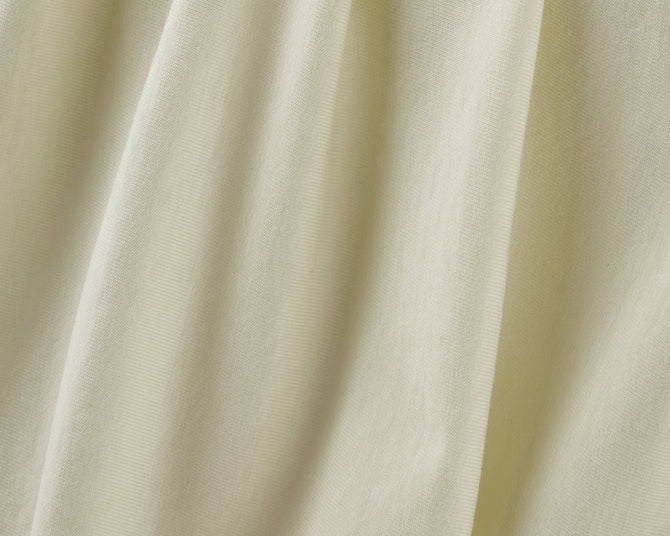



Cupro and Modal are both valued for their softness, smooth surfaces, and fluid drape. Yet they can create noticeably different experiences in knitted fabrics.
Cupro is particularly appealing for its refined, silk-like smoothness and flowing character, while Modal is known for its exceptionally soft, supple feel and everyday comfort. Both can produce beautiful draping fabrics, but their distinctive tactile qualities offer different possibilities for apparel design.
For designers and fabric developers, understanding these differences can help determine which material best suits a garment's intended look, feel, and silhouette.
Cupro vs Modal: Key Differences at a Glance
| Characteristic | Cupro | Modal |
|---|---|---|
| Hand feel | Silky, smooth, and often sleek | Very soft, supple, and gentle against the skin |
| Drape | Fluid, flowing, and elegant | Soft, relaxed, and potentially equally fluid |
| Surface appearance | Can offer a refined, subtle sheen | Often smooth, with a soft, understated finish |
| Design character | Refined, delicate, and fluid | Comfortable, understated, and versatile |
| Common applications | Draped tops, dresses, delicate layering pieces | T-shirts, underwear, fitted tops, and loungewear |
These are general material tendencies rather than fixed performance rankings. The finished fabric's yarn, composition, construction, and finishing determine how strongly each characteristic appears.
Hand Feel: Silky Smoothness vs Supple Softness
Hand feel is one of the most meaningful differences between Cupro and Modal.
Cupro: A Smooth, Silk-Like Touch
Cupro is often associated with the smooth, refined sensation of silk. Its fine fiber structure, particularly when used in filament yarns, can create fabrics with a sleek surface and an elegant touch.
This quality is especially attractive for garments where the material itself provides a sense of refinement. A Cupro-rich knit can give a simple top or dress a more fluid, delicate character without requiring elaborate design details.
Cupro can also be used as staple fibers in blended yarns, where its contribution to the final hand feel may be subtler.
Modal: Softness Designed for Everyday Comfort
Modal is prized for its exceptionally gentle, supple hand feel. In knitted fabrics, it can create a soft, comfortable surface that feels pleasant directly against the skin.
Depending on the yarn and finishing, Modal knits may feel particularly plush or smooth and silky. Their appeal often lies in combining softness with the familiar comfort expected from everyday apparel.
This makes Modal an attractive choice for premium T-shirts, fitted long-sleeve tops, underwear, and loungewear.
The practical distinction: Cupro often emphasizes a sleek, silky sensation, while Modal excels at delivering soft, comfortable everyday fabrics. Neither characteristic is exclusive to one fiber.
Drape: How Do Cupro and Modal Knit Fabrics Fall?
Both fibers can produce excellent drape, but the visual expression of that drape may differ.
Cupro is particularly associated with fluid movement. In lightweight, flexible constructions, Cupro-rich fabrics can fall into soft, flowing folds that move naturally with the body.
This character works well for relaxed blouses, draped tops, flowing dresses, and garments where the silhouette depends on the fabric's movement.
Modal also offers attractive drape. A lightweight Modal jersey, for example, can fall softly against the body and create a relaxed, flowing silhouette.
In fitted garments, this softness can produce a smooth, body-following appearance. However, an overly fluid fabric may also reveal body contours more readily than intended.
For either fiber, designers can adjust the result through fabric weight, knit density, yarn selection, and elastane content.
Cupro should not automatically be considered more drapey than Modal. A lightweight Modal jersey may flow more freely than a heavier, tightly constructed Cupro blend.
The important question is whether the finished fabric creates the intended balance between movement and shape.
Appearance: Subtle Sheen, Surface Texture, and Visual Character
The visual differences between Cupro and Modal are often understated, making them particularly interesting for minimalist apparel.
Cupro: Refined Surface and Gentle Luster
Cupro fabrics can display a soft, elegant sheen that contributes to their silk-like appearance.
Unlike a strongly glossy synthetic surface, this luster can appear delicate and restrained, particularly in fine, fluid fabrics.
For contemporary apparel, this makes Cupro appealing when designers want a polished material appearance without using prominent prints or decorative textures.
Modal: Soft, Smooth, and Understated
Modal knits often emphasize a smooth, even appearance that suits everyday essentials.
They can provide the clean surface desired for simple T-shirts, fitted tops, and comfortable casualwear. Depending on yarn and finishing, Modal can also produce a more lustrous appearance.
Neither fiber has a single fixed visual identity. Cupro blended with other fibers may appear textured or relatively matte, while finely finished Modal can look smooth and luminous.
Color, yarn construction, and surface finishing are therefore just as important as the fiber name when evaluating the final appearance.
How Knit Construction Changes the Result
Fiber selection establishes a starting point, but knit construction determines how those qualities appear in a finished fabric.
Single Jersey
Single jersey is a natural choice for exploring softness and drape. A lightweight Cupro-rich jersey may emphasize fluid movement, while Modal jersey can combine a soft hand feel with relaxed everyday comfort.
Rib Knit
Rib constructions introduce visible vertical texture and mechanical stretch.
Modal rib knits are commonly considered for fitted tops and comfortable layering pieces. Cupro-containing rib blends can also combine a refined touch with a more defined surface.
When greater elastic recovery is required, elastane can be incorporated into either material system.
Interlock and Other Double Knits
These constructions can create a fuller, more substantial fabric than lightweight single jersey.
For Modal or Cupro blends, they offer another way to balance softness, drape, coverage, and garment structure.
A more stable construction can be useful when the design requires a defined silhouette rather than maximum fluidity.
Which Material Should You Choose for Your Collection?
The most useful comparison begins with the garment rather than the fiber name.
For flowing dresses and refined, relaxed tops: Consider Cupro-rich fabrics when a silky surface, elegant movement, and subtle luster are priorities. Lightweight Modal fabrics are also worth evaluating when a similarly fluid but softer-feeling result is desired.
For fitted T-shirts and everyday essentials: Modal knits are a strong starting point when next-to-skin softness and comfortable daily wear are central to the design. Rib structures and elastane blends can provide the required stretch and recovery.
For elevated basics with distinctive material character: Both fibers offer opportunities. Cupro can introduce a refined tactile dimension, while Modal provides a soft foundation that works well with cotton, wool, cashmere, and other blended fibers.
Blending also creates possibilities beyond choosing one fiber over the other. For example, Regen-tech Fashion explores Cupro, Lyocell, and Linen knit fabrics, combining silk-like smoothness with other tactile and visual characteristics.
What to Look for When Comparing Fabric Samples
When choosing between Cupro and Modal, comparing actual knitted fabrics is more useful than relying on fiber descriptions alone.
Ideally, evaluate samples with similar weights and constructions to understand their tactile differences.
Feel the surface with your fingertips, then gather and release the fabric to observe its softness and movement. Drape it over a hand or garment form to examine how naturally it falls.
Look at the fabric under different lighting conditions. A subtle sheen may be attractive for a flowing top but less appropriate for a deliberately matte, minimalist T-shirt.
Finally, assess the requirements of the finished garment, including stretch recovery, dimensional stability, opacity, and appearance after laundering.
These characteristics cannot be reliably determined from Cupro or Modal content alone.
Final Thoughts
Cupro and Modal are not simply interchangeable soft fibers. Each brings a different emphasis to knitted fabric development.
Cupro offers the opportunity to create refined, silk-like surfaces and elegant fluidity. Modal provides exceptional softness and a versatile foundation for comfortable everyday garments.
For apparel brands, the choice ultimately comes down to the intended design: a sleek, flowing material, a soft and relaxed everyday knit, or a carefully developed blend that combines different tactile qualities.
Explore Regen-tech Fashion's Cupro blends and Modal knit fabrics to discover how different fiber combinations, textures, and drape characteristics can shape your next collection.
FAQ
Which fiber is better for a lightweight, fluid knit dress with elegant drape and subtle sheen?
Cupro is the superior choice for this application—it offers exceptional fluidity, smooth continuous folds, and a gentle luster reminiscent of liquid silk, making it ideal for bias-cut dresses and garments where movement and refined appearance are key.
Is Modal more suitable than Cupro for fitted knit tops that need to retain shape after repeated wear and washing?
Yes—Modal’s higher wet strength and resilient softness provide better shape retention and recovery in fitted styles like T-shirts or bodysuits, especially at mid-to-higher GSMs (180–240 g/m²), without compromising comfort or breathability.
How do Cupro and Modal knits differ in hand feel—and which feels cooler against the skin?
Cupro delivers a cool, silky-smooth, slightly slippery hand—often described as ‘liquid silk’—while Modal feels softer, more cushioned, and enveloping. Cupro is notably cooler to the touch due to its fine filament structure and surface slipperiness, making it ideal for next-to-skin summer layers.
Can Cupro knits be used for structured knit garments like trousers or tailored jackets?
Pure Cupro knits are generally not recommended for highly structured garments due to lower recovery and potential bagging at stress points; however, blending Cupro with elastane or combining it with stabilizing fibers (e.g., cotton, TENCEL™ Lyocell) can enhance body and durability for semi-structured applications.
Are there meaningful sustainability differences between Cupro and Modal when sourcing for eco-conscious brands?
Both use closed-loop processes and FSC-certified wood pulp, but Modal (especially TENCEL™ Modal) typically achieves >95% solvent recovery with lower water consumption, while Cupro’s copper-ammonia process requires tighter pH/temperature control—though modern production has significantly improved its efficiency and environmental footprint.
Related Blogs
Add a short description for your brand news

Nylon vs Polyester for Stretch Knit Fabrics: Which Performs Better in Modern Knitwear?

Cotton vs Polyester in Knit Fabrics: Comfort or Structure for Urban Commuterwear?

Best Knit Fabrics for Athleisure: Performance Meets Style