


Cotton vs Polyester for Workout Shirts: A Practical Fabric Comparison
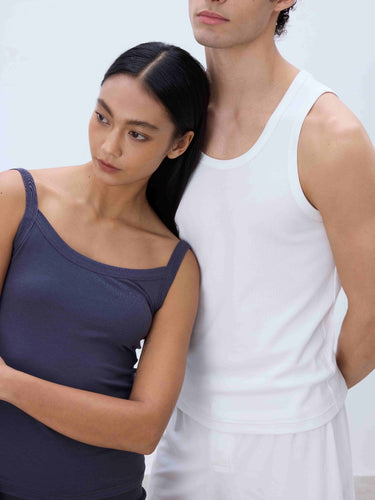
Choosing the right fabric for workout shirts isn't just about aesthetics—it's about how the material supports movement, manages moisture, and feels during exercise. For apparel brands, designers, and product developers, understanding the differences between cotton and polyester is essential when selecting knitted fabrics for activewear, athleisure, and everyday training tops.
Cotton and polyester differ fundamentally in fiber origin and moisture behavior. Cotton is a natural cellulose fiber valued for its softness, breathability, and familiar comfort. Polyester is a synthetic fiber known for its durability, dimensional stability, and quick-drying characteristics.
Neither is universally superior. The better choice depends on the garment's intended activity, expected sweat levels, desired hand feel, and fabric construction.
Key Differences Across Critical Performance Criteria
- Moisture Management: Polyester absorbs relatively little moisture and typically dries faster than cotton. When engineered with moisture-wicking yarns, suitable knit constructions, or specialized finishes, polyester fabrics can effectively move sweat away from the skin. Cotton absorbs moisture readily, offering comfortable everyday wear but often becoming heavier and slower to dry during intense exercise.
- Hand Feel & Next-to-Skin Comfort: High-quality combed or ring-spun cotton offers a naturally soft, familiar hand feel, making it attractive for casual workout shirts and lifestyle-oriented activewear. Polyester can feel smooth or slightly synthetic, but modern microfiber yarns, brushing treatments, and textured constructions can create exceptionally soft surfaces suitable for next-to-skin garments.
- Stretch & Recovery: Both cotton and polyester knitted fabrics can provide mechanical stretch, depending on their construction. Polyester generally offers good dimensional stability, while blends with elastane can deliver enhanced multi-directional stretch and recovery. These properties are particularly valuable in fitted workout shirts that need to accommodate repeated movement without losing their shape.
- Drape & Structure: Cotton knits can range from soft, relaxed jersey to more substantial, structured fabrics, depending on yarn selection and construction. Polyester offers similar versatility, from lightweight, fluid jerseys to stable double knits. Fabric weight, knitting density, and finishing all influence the final silhouette.
- Durability & Care: Polyester generally offers excellent abrasion resistance, dimensional stability, and easy-care performance, making it well suited to frequently washed workout apparel. Cotton may be more susceptible to shrinkage without appropriate finishing, while pilling resistance in both fibers depends on yarn quality, knit construction, and surface treatments.
- Sustainability Considerations: Organic cotton can reduce reliance on conventional synthetic pesticides, although agricultural water use and land requirements remain important considerations. Recycled polyester can reduce demand for virgin fossil-based raw materials, but microfiber shedding and end-of-life recycling remain challenges. Environmental impact depends on sourcing, processing, product durability, and the broader textile lifecycle.
Why Quick-Drying and Moisture-Wicking Aren't the Same
For workout shirts, moisture management involves more than how quickly a fabric dries.
Moisture-wicking describes how liquid sweat moves through or across a fabric, often spreading over a larger surface area to support evaporation. Quick-drying refers to how rapidly the fabric releases moisture after becoming wet.
Polyester's low moisture absorption makes it naturally suited to quick-drying applications, but effective sweat transport often requires additional fabric engineering.
For example, textured polyester yarns, carefully designed knit structures, or constructions with different moisture-handling properties on each side can help manage sweat distribution and improve next-to-skin comfort.
This distinction matters during prolonged exercise: a workout shirt should ideally manage moisture as sweat develops, rather than simply dry quickly after the activity ends.
When to Choose Which Fabric
Choose cotton when designing for:
- Low-intensity activities such as walking, gentle yoga, stretching, and casual studio sessions.
- Lifestyle-driven athleisure where natural softness, breathable comfort, and relaxed silhouettes are priorities.
- Everyday workout-inspired T-shirts intended for both exercise and casual wear.
- Blended knits, such as cotton–polyester or cotton–lyocell, that combine familiar cotton comfort with additional fabric characteristics.
Choose polyester when designing for:
- High-intensity training, HIIT, running, or endurance activities where sweat management and quick drying are important.
- Performance-focused workout shirts that require durability and dimensional stability through frequent wear and washing.
- Lightweight technical layers where low moisture retention and efficient drying support comfort.
- Athletic garments that incorporate engineered moisture-wicking finishes, specialized yarns, or elastane for additional stretch and recovery.
For brands developing versatile workout-to-everyday collections, cotton–polyester blends can also provide a practical middle ground between natural hand feel and performance-oriented functionality.
Cotton vs Polyester: Quick-Reference Comparison
| Property | Cotton Knitted Fabric | Polyester Knitted Fabric |
|---|---|---|
| Moisture Absorption | High; readily absorbs moisture | Low; absorbs little moisture |
| Drying Speed | Generally slower when wet | Generally faster |
| Moisture Wicking | Depends on fabric engineering | Can be enhanced through yarn design and finishing |
| Hand Feel | Naturally soft and familiar | Smooth to soft, depending on yarn and finishing |
| Stretch & Recovery | Depends on knit structure and elastane content | Depends on knit structure and elastane content |
| Dimensional Stability | May require shrinkage-control finishing | Generally good |
| Abrasion Resistance | Varies with yarn and construction | Generally strong |
| Pilling Resistance | Depends on yarn, construction, and finishing | Depends on yarn, construction, and finishing |
| Typical Applications | Casual workout shirts, athleisure, everyday T-shirts | Performance training tops, running shirts, technical activewear |
These comparisons describe typical material characteristics. Actual performance varies with yarn selection, knit construction, fabric weight, blends, and finishing.
Final Selection Tips for Product Developers
Fabric selection shouldn't be dictated by fiber content alone. Yarn type, knit construction, finishing, and blend ratios can significantly change how a workout shirt performs.
For example, a 65/35 cotton–polyester blend can combine cotton's familiar softness with polyester's durability, dimensional stability, and faster-drying characteristics. Moisture-wicking performance and stretch recovery can be further optimized through yarn selection, fabric construction, finishing, or the addition of elastane.
Likewise, a lightweight polyester jersey designed with textured yarns and moisture-management finishing can offer a very different wearing experience from a conventional polyester knit.
When evaluating fabrics for a new workout shirt collection, product developers should consider several practical questions:
- Does the fabric remain comfortable when exposed to sweat?
- How quickly does moisture spread and evaporate?
- Does the fabric maintain its fit after repeated stretching and washing?
- Is the hand feel appropriate for the intended activity and target customer?
- Can the supplier maintain consistent fabric weight, width, color, and performance across bulk production?
Simple sample comparisons can provide an initial indication of performance, while standardized laboratory testing helps verify moisture management, shrinkage, stretch recovery, and pilling resistance before production.
The Right Fabric Depends on the Workout
Cotton and polyester each bring valuable characteristics to workout shirt development.
Cotton stands out for its natural softness, comfortable hand feel, and versatility in casual activewear. Polyester offers important advantages in quick drying, durability, and performance-focused applications, especially when supported by appropriate fabric engineering.
For modern apparel brands, the opportunity extends beyond choosing one fiber over the other. By combining thoughtful fiber selection with the right yarns, knitted constructions, and finishing processes, manufacturers can create workout fabrics tailored to different activities, climates, and consumer expectations.
FAQ
Which fabric is better for high-intensity workout shirts: cotton or polyester?
Polyester is generally superior for high-intensity workouts due to its excellent moisture-wicking capability—drawing sweat away from the skin and evaporating it quickly—whereas cotton absorbs and retains moisture, leading to discomfort, cling, and slower drying times during sustained activity.
Can cotton be used effectively in performance-oriented workout shirts?
Yes—but typically only in low-to-moderate intensity contexts (e.g., yoga, walking, or lifestyle-focused athleisure). To improve functionality, consider high-quality combed or ring-spun cotton with tighter knits, mercerization, or strategic blending with polyester or spandex for enhanced durability and stretch recovery.
How does polyester compare to cotton in terms of long-term durability and wash resistance?
Polyester significantly outperforms cotton in abrasion resistance, pilling resistance, shape retention, and colorfastness across repeated industrial or consumer washes. Cotton is more prone to shrinkage (unless pre-shrunk), thinning, and gradual loss of structure—especially in standard jersey knits without finishing enhancements.
What are the key sustainability trade-offs between cotton and polyester for activewear?
Organic cotton eliminates synthetic pesticides and supports regenerative farming but demands high water and land use. Recycled polyester (rPET) diverts plastic waste and reduces reliance on virgin petroleum, though it still sheds microplastics and requires careful end-of-life planning. Brands increasingly adopt hybrid approaches—e.g., rPET/cotton blends or TENCEL™-enhanced knits—to balance ecological impact and performance.
Do modern polyester knits address common concerns about synthetic hand feel and skin irritation?
Yes—advances in fiber engineering (e.g., micro-polyester filaments), mechanical texturing (brushing, peaching), and blended constructions (e.g., polyester/lyocell or polyester/modal) have dramatically improved softness, breathability, and skin compatibility. Many premium performance knits now match or exceed cotton’s next-to-skin comfort while retaining technical benefits.
Related Blogs
Add a short description for your brand news

Cotton vs Polyester in Knit Fabrics: Comfort or Structure for Urban Commuterwear?

Lyocell vs Polyester vs Cotton Blends: Choosing the Right Fabric for Lifestyle & Athleisure Collections

Recycled Polyester vs Virgin Polyester: Performance Comparison for Premium Knitwear