


Piqué knit fabric is best known for its distinctive textured surface and its use in classic polo shirts. Unlike smooth jersey, piqué features small raised patterns that often resemble honeycombs, dots, or subtle geometric shapes.
This texture gives the fabric a recognizable appearance and can add body to a garment without sacrificing the flexibility of knitted construction. While cotton piqué remains a popular choice for polo shirts, different yarns, weights, and knit structures allow piqué textures to be used in a wider range of casual apparel.
For apparel brands and designers, understanding piqué is not just about recognizing its surface pattern. It is also about how that texture influences fabric feel, garment silhouette, and everyday comfort.
What Is Pique Knit Fabric?
Piqué refers to a textured fabric construction rather than a particular fiber. It can be produced using cotton, polyester, or various fiber blends, with each combination offering different characteristics.
In knitted piqué, the distinctive surface is commonly created through a combination of knit stitches and tuck stitches. These stitches form small variations in the fabric surface, producing the raised or recessed patterns associated with piqué.
The appearance can range from clearly defined honeycomb textures to much finer patterns that are barely noticeable from a distance.
Although piqué can also refer to certain woven fabrics, the piqué commonly used for polo shirts is knitted, providing the flexibility and comfort associated with knit fabrics.
What Gives Pique Knit Its Distinctive Texture?
The most recognizable feature of piqué is its three-dimensional surface.
Unlike plain jersey, which has a relatively smooth face, piqué incorporates small changes in the arrangement of knitted loops. These create a textured appearance without relying on printed or embossed patterns.
Several elements influence the final result:
- Stitch Construction: Different arrangements of knit and tuck stitches create variations in the size, depth, and spacing of the texture.
- Yarn Selection: Cotton yarns can provide a familiar, natural hand feel, while synthetic fibers or blended yarns offer additional possibilities for durability, stretch, and surface finish.
- Fabric Density: More open constructions can encourage airflow, while tighter structures generally provide a more compact appearance and greater body.
- Finishing: Dyeing, washing, and finishing processes can influence softness, dimensional stability, and how clearly the texture appears.
These variables explain why two fabrics described as piqué may look and feel quite different.
Key Characteristics of Pique Knit Fabric
Piqué is valued for more than its recognizable pattern. Depending on its construction, it can offer several advantages for everyday apparel.
Textured Appearance
The raised surface adds visual depth to otherwise simple garments. Even a solid-colored piqué fabric can appear more detailed than a comparable smooth jersey, making it attractive for minimalist casualwear.
Breathability and Comfort
Many traditional polo piqués feature small openings or a cellular structure that can support air circulation. Combined with an appropriate fabric weight and yarn selection, this makes piqué a popular option for warm-weather clothing.
However, breathability also depends on fabric density, fiber composition, and finishing. A compact, heavier piqué construction will not necessarily behave like a lightweight polo fabric.
Body and Structure
Compared with some lightweight jerseys, piqué can provide a slightly firmer, more structured appearance. This helps garments maintain a defined shape rather than falling too closely against the body.
Versatile Hand Feel
Piqué is not always coarse or stiff. Fine-gauge constructions and carefully selected yarns can produce subtle textures with a softer, more refined touch, expanding their use beyond traditional sportswear.
Pique Knit vs. Jersey: What's the Difference?
Both piqué and jersey are widely used in knitted apparel, but they create different visual effects and garment silhouettes.
| Feature | Piqué Knit | Jersey Knit |
|---|---|---|
| Surface | Raised, textured patterns | Generally smooth |
| Appearance | More dimensional | Clean and minimal |
| Hand Feel | Often slightly firmer or drier | Often softer and more fluid |
| Drape | Can offer greater body | Often more flowing |
| Common Uses | Polo shirts, uniforms, textured casualwear | T-shirts, layering tops, dresses |
These are general tendencies rather than fixed performance rules. Fabric weight, yarn composition, and construction all affect the finished result.
For a classic polo shirt, piqué offers an immediately recognizable textured appearance. Jersey, on the other hand, is often preferred when designers want a smoother surface and softer drape.
Neither is inherently better. The choice depends on the intended garment.
Common Uses of Pique Knit Fabric
1. Polo Shirts
Polo shirts are perhaps the most familiar application of piqué knit.
The textured surface gives a polo its characteristic appearance, while suitable lightweight constructions can offer comfort and breathability for everyday wear.
Cotton piqué is especially associated with traditional casual polos, while blended versions can be developed for uniforms, golf apparel, and performance-oriented styles.
2. Casual Tops and Everyday Essentials
Piqué can also be used for casual T-shirts, relaxed tops, and elevated everyday basics.
A subtle texture introduces visual interest without requiring prints or elaborate garment details. This makes fine piqué particularly relevant for apparel collections focused on understated design.
3. Sportswear and Uniforms
Piqué knits are common in golf shirts, team apparel, and uniforms where brands want a balance of texture, comfort, and a neat appearance.
Polyester and blended constructions can offer additional performance possibilities, although moisture management, drying speed, and durability should be evaluated for the specific fabric.
4. Textured Sweatshirts and Coordinated Sets
Piqué-inspired textures are not limited to lightweight polo fabrics.
More substantial double-knit constructions can incorporate fine, raised surface patterns while providing the body needed for sweatshirts, relaxed pants, and coordinated casual sets.
These fabrics offer a different design direction: rather than emphasizing traditional polo texture, they use subtle surface detail to create a more refined appearance in structured casualwear.
Choosing the Right Pique Knit for Apparel Development
For brands sourcing piqué knit fabrics, the right choice depends on more than surface appearance.
A few practical considerations can help narrow the options:
- Texture Scale: Choose pronounced honeycomb patterns for a traditional polo look, or finer textures for understated contemporary apparel.
- Fiber Composition: Consider cotton for familiar natural-fiber comfort, or selected blends when specific durability, stretch, or care properties are required.
- Fabric Weight: Lightweight constructions are typically better suited to summer tops, while more substantial options can support structured garments.
- Stretch and Recovery: Evaluate the actual knit structure and elastane content where repeated stretching or close-fitting silhouettes are important.
- Dimensional Stability: Check shrinkage, fabric distortion, and surface appearance after washing before confirming bulk production.
For commercial development, fabric samples and garment trials are particularly useful because texture, drape, and fit can be difficult to judge from specifications alone.
Beyond Traditional Pique: Exploring Subtle Textured Double Knits
Modern textured knit fabrics show how the visual language of piqué can extend beyond its traditional applications.
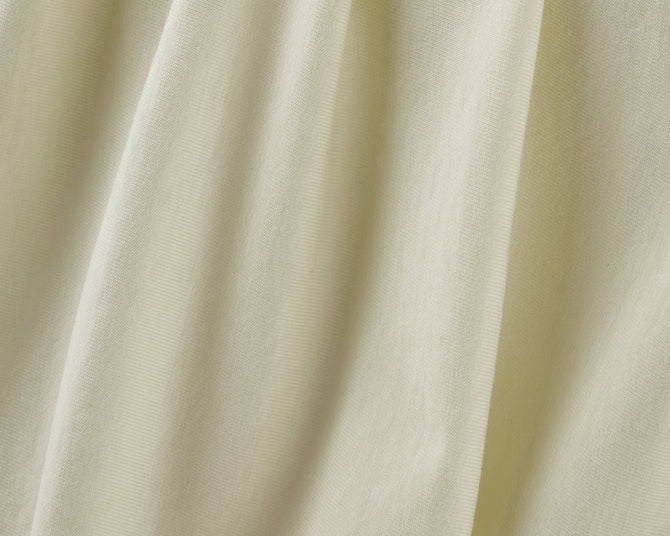
For example, Regen-tech Fashion's 6329 is a fine piqué-textured double-knit fabric with a deliberately understated surface. Unlike larger honeycomb or waffle patterns, its texture is subtle from a distance, giving the fabric a clean appearance with added visual depth.
Its structured character makes it particularly suitable for sweatshirts and coordinated casual sets, demonstrating how fine surface texture can complement contemporary garment silhouettes.
This is distinct from conventional lightweight polo piqué. Rather than selecting fabric solely for airflow or classic sportswear styling, designers can explore how different textured knit constructions contribute to structure, comfort, and visual refinement.
Final Thoughts
Piqué knit fabric remains a versatile choice for apparel development, combining distinctive surface texture with the comfort and flexibility of knitted construction.
From breathable polo shirts to refined casual tops and structured double knits, its applications depend on how yarn selection, stitch construction, fabric weight, and finishing work together.
For brands seeking to bring more character to everyday essentials, piqué offers a useful design opportunity: creating visual interest through the fabric itself, rather than relying on additional decoration.
Explore how piqué textures—from classic polo knits to refined double-knit constructions—can bring distinctive character and structure to your next apparel collection.
FAQ
What makes pique knit fabric different from jersey or interlock knits?
Pique knit is distinguished by its structured, textured surface—created through tuck stitches or differential tension in a double- or modified single-knit construction—resulting in raised ribs, waffle, or honeycomb patterns. Unlike smooth, drapable jersey or soft interlock, pique offers dimensional stability, a crisper hand feel, controlled stretch (15–25% horizontally), and enhanced breathability due to its open-textured air pockets.
Is pique knit suitable for activewear or performance apparel?
While not a high-stretch technical fabric, modern pique blends (e.g., cotton-polyester, cotton-elastane, or TENCEL™-cotton) deliver excellent moisture-wicking, ventilation, and shape retention—making it ideal for smart-casual performance tops like polos, lightweight training layers, and elevated athleisure where polish and function intersect.
What are the most common pique texture types—and how do they influence design choices?
The three main variants are honeycomb (refined, symmetrical cells for tailored casualwear), waffle (larger square indentations for relaxed utility and superior airflow), and corded (vertical ribs for clean lines and subtle structure). Designers select based on desired aesthetic, breathability needs, and garment drape—e.g., honeycomb for premium polos, waffle for summer vests, corded for streamlined trousers.
Can pique knit be used for tailored bottoms like trousers or shorts? What considerations apply?
Yes—especially when engineered with elastane or blended with TENCEL™ for improved recovery and drape. Its midweight structure (180–240 g/m²) provides body and wrinkle resistance, while the textured surface adds visual sophistication. For tailored applications, opt for higher-GSM pique with ≥3% elastane to ensure comfort, shape retention, and mobility without sacrificing polish.
How does pique knit perform in terms of care, durability, and laundering?
Pique excels in everyday durability: its dense stitch structure resists pilling and stretching, and its inherent wrinkle resistance maintains crispness across washes. Cotton-rich versions may shrink slightly if not pre-shrunk; blends enhance dimensional stability. We recommend cold machine wash, low-heat tumble dry or air dry to preserve texture integrity and minimize shrinkage—especially critical for collars, cuffs, and structured silhouettes.
Related Blogs
Add a short description for your brand news

Nylon vs Polyester for Stretch Knit Fabrics: Which Performs Better in Modern Knitwear?

Knit Structures Used in Athleisure Fabrics: A Guide for Performance & Fabric Development

Blended Knit vs 100% Cotton: Why Engineered Structures Win in Modern Apparel