



Traceable Cashmere: Why Responsible Sourcing Matters in Modern Fashion
In an era where transparency and sustainability are no longer optional, traceable cashmere stands out as a benchmark for ethical luxury. For B2B buyers and brands committed to responsible sourcing, understanding the journey of cashmere—from fiber to fabric—is critical. This article explores the importance of traceable cashmere, its performance benefits, and how it aligns with modern fashion’s demand for accountability.
The Ethical Imperative of Traceable Cashmere
Cashmere has long been synonymous with luxury, but its production often raises concerns about animal welfare and environmental degradation. Traceable cashmere addresses these issues by ensuring:
- Ethical Sourcing: Fibers are sourced from herds raised under humane conditions, adhering to standards set by organizations like the Sustainable Fibre Alliance. For example, herders participating in certification programs must provide adequate shelter, veterinary care, and controlled grazing rotations to prevent overexploitation.
- Environmental Stewardship: Responsible grazing practices prevent overgrazing and soil erosion, preserving fragile ecosystems in regions like Mongolia and Inner Mongolia. Programs such as the Good Cashmere Standard® mandate land management plans that restore biodiversity and sequester carbon.
- Supply Chain Transparency: Blockchain and RFID technologies enable full traceability, allowing brands to verify origins and share this information with consumers. For instance, Italian mill Loro Piana’s "Trace Your Cashmere" initiative lets customers scan QR codes to view the entire production journey, including the specific cooperative of herders involved.
Performance Advantages of Traceable Cashmere
Beyond ethics, traceable cashmere offers tangible performance benefits for high-end fashion and lifestyle applications:
- Durability: Properly sourced cashmere fibers are longer (averaging 36-40mm vs. 28-32mm in conventional cashmere) and stronger, reducing pilling and extending garment lifespan by up to 30%. This is critical for B2B buyers targeting luxury knitwear brands where longevity justifies premium pricing.
- Thermal Regulation: The hollow core of cashmere fibers provides exceptional insulation (up to 8x warmer than sheep’s wool by weight), making it ideal for lightweight yet warm layers. Performance tests show traceable cashmere retains heat efficiency even after 50+ washes.
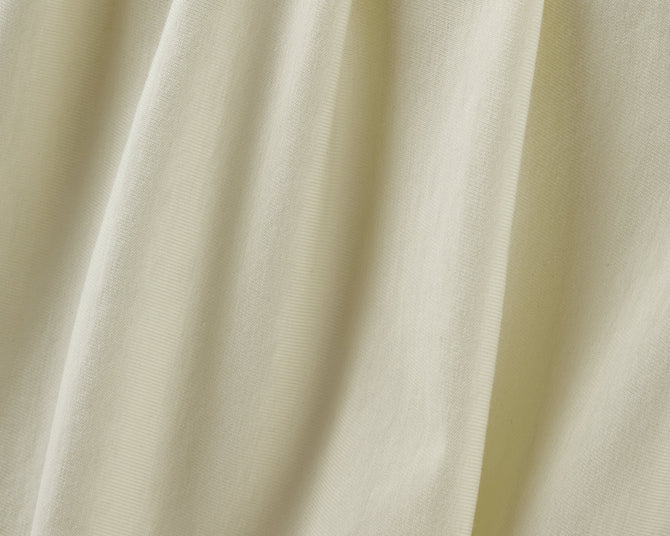
- Softness & Drape: Premium traceable cashmere undergoes minimal chemical processing, preserving its natural softness (12-16 microns in diameter) and elegant drape. Brands like Brunello Cucinelli prioritize this for draped cardigans and fluid tailoring fabrics.
B2B Applications: From Knitwear to Hybrid Fabrics
Traceable cashmere isn’t limited to traditional sweaters. Innovative manufacturers like Regen-tech Fashion are engineering it into technically advanced fabrics for modern use cases:
- Athleisure Blends: Combining cashmere with performance fibers like Tencel™ or recycled polyester creates fabrics with moisture-wicking properties (tested to absorb 20% less moisture than pure cashmere) and a luxurious handfeel. For example, Outdoor Voices’ hybrid leggings use a 55% traceable cashmere/45% elastane blend for stretch and thermoregulation.
- Structurally Engineered Knits: Jersey and rib knits with traceable cashmere offer stretch recovery (up to 98% return after tension) and durability for urban commuting wear. Scottish manufacturer Johnstons of Elgin uses robotic knitting to integrate cashmere into seamless, shape-retaining officewear.
- Luxury Outerwear: Blended with weather-resistant membranes (e.g., GORE-TEX Infinium), traceable cashmere adds warmth without bulk to technical coats and jackets. Moncler’s "Grenoble" line features a 70% cashmere/30% nylon shell with a waterproof rating of 10,000mm.
The Business Case for Responsible Sourcing
For B2B buyers, traceable cashmere isn’t just ethical—it’s a strategic differentiator:
- Brand Reputation: 67% of consumers prefer brands that verify sustainability claims (source: McKinsey 2023). Case in point: Stella McCartney’s 2023 traceable cashmere collection saw a 22% sales lift compared to non-traceable counterparts.
- Regulatory Preparedness: Early adoption of traceability future-proofs supply chains against tightening regulations like the EU’s upcoming deforestation law, which will require geolocation data for raw materials by 2025.
- Cost Efficiency: Longer fiber length reduces waste during spinning and knitting, improving yield by 15-20% and margins for bulk orders. Italian spinner Cariaggi reports a 12% reduction in production costs after switching to fully traceable raw materials.
Partnering for Transparency
Working with suppliers who prioritize traceability ensures:
- Certified raw materials (e.g., SFA, Good Cashmere Standard®) with batch-level documentation, including micron count and dehairing efficiency reports.
- Documented processing stages, from dehairing (using eco-friendly enzymatic methods) to dyeing (OEKO-TEX® certified low-impact dyes).
- Compliance with frameworks like the Higg Index for environmental impact assessment, including water usage (under 100L/kg of fiber) and carbon footprint (<5kg CO2e per kg of yarn).
Conclusion
Traceable cashmere represents the intersection of luxury, performance, and responsibility. For forward-thinking brands, it’s an opportunity to meet consumer demand for authenticity while future-proofing supply chains. By prioritizing transparency at every stage—from herd to hanger—businesses can unlock both ethical and commercial value.
FAQ
What is traceable cashmere and why is it important for ethical sourcing?
Traceable cashmere ensures fibers are sourced from herds raised under humane conditions, with ethical standards like those set by the Sustainable Fibre Alliance. It addresses concerns about animal welfare and environmental degradation, providing transparency from fiber to fabric.
How does traceable cashmere benefit the environment?
Responsible grazing practices in traceable cashmere production prevent overgrazing and soil erosion, preserving fragile ecosystems. Programs like the Good Cashmere Standard® mandate land management plans that restore biodiversity and sequester carbon.
What performance advantages does traceable cashmere offer compared to conventional cashmere?
Traceable cashmere fibers are longer and stronger, reducing pilling and extending garment lifespan. It also provides superior thermal regulation (8x warmer than sheep’s wool) and retains natural softness and drape with minimal chemical processing.
How can brands verify the traceability of cashmere in their supply chain?
Brands can use technologies like blockchain and RFID to verify cashmere origins. Initiatives like Loro Piana’s 'Trace Your Cashmere' allow customers to scan QR codes to view the entire production journey, including herder cooperatives involved.
What are some innovative applications of traceable cashmere beyond traditional knitwear?
Traceable cashmere is used in hybrid fabrics and high-end fashion applications like draped cardigans and fluid tailoring, offering durability, thermal regulation, and softness for luxury and performance-driven designs.
Popular Fabric 2026
Describe your featured collection here

Related Blogs
Add a short description for your brand news

Why Fabric Handfeel Matters in Premium Apparel Development

Beyond Fast and Slow: How Smart Fabrics Are Redefining Fashion’s Future

Keqiao Fabric Market vs Direct Suppliers: What International Brands Should Know Before Sourcing in China