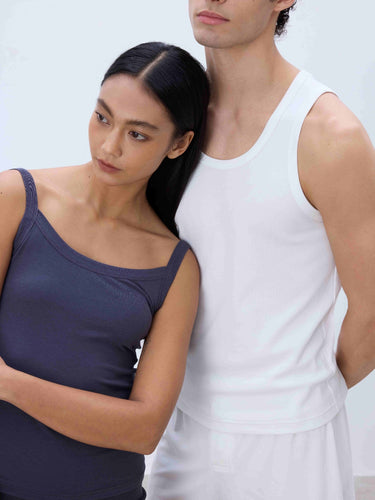
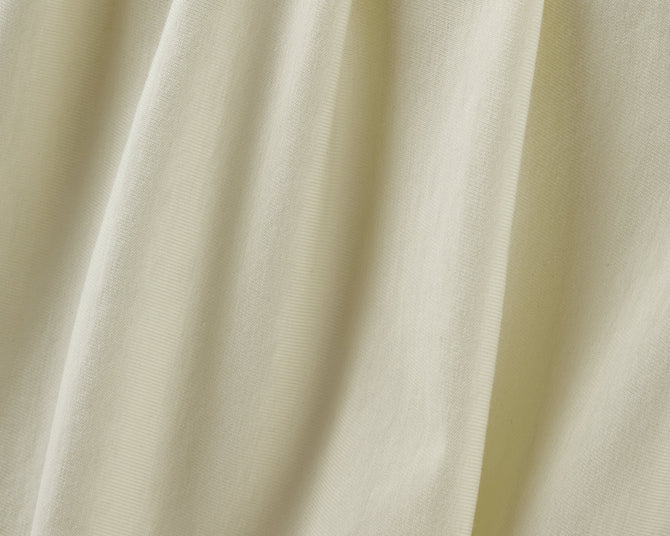



Systematic Analysis of Tencel Modal Blend Fabric Structure
Tencel Modal blend fabrics are engineered through a deliberate combination of fiber composition, yarn structure, and knitting organization. Each of these elements contributes to the fabric's unique properties, making it a versatile choice for performance-driven apparel.
- Fiber Composition:
- Tencel (lyocell) and Modal fibers are both derived from sustainably sourced wood pulp, with Tencel offering superior strength (up to 50% higher tensile strength than cotton) and moisture-wicking capabilities, while Modal enhances softness and drapability due to its finer fiber diameter (typically 1-1.3 dtex).
- The blend typically ranges from 50% Tencel/50% Modal to 70% Tencel/30% Modal, balancing durability with comfort. The fibers' smooth surface reduces friction, contributing to a fabric that resists pilling (achieving Grade 4-5 on the Martindale scale) and maintains integrity over 100+ washes. For moisture management, Tencel absorbs up to 50% more moisture than cotton, while Modal's hollow fiber structure enhances breathability.
- Yarn Structure:
- The yarn is often spun using a compact or ring-spun technique, ensuring uniformity and strength. Compact spinning reduces hairiness, improving fabric smoothness by up to 30%, while ring-spun yarns offer superior tensile strength (20-25% higher than open-end spun yarns).
- Twist levels are optimized to enhance elasticity without compromising breathability. For instance, a medium twist (20-25 twists per inch) allows the yarn to retain loft, improving thermal regulation, while a higher twist (30+ TPI) may be used for performance fabrics requiring added recovery.
- Knitting Organization:
- A jersey or interlock knit structure is commonly used, providing a balance of stretch (15-25% elongation) and recovery (90%+ recovery rate). For added support, techniques like double-knitting or ribbed patterns (e.g., 1x1 or 2x2 ribs) may be incorporated, offering targeted compression zones for athletic wear.
- The knit density is calibrated (typically 18-24 courses per inch) to ensure breathability (air permeability of 30-40 cm³/cm²/sec) while maintaining structural integrity, making the fabric suitable for dynamic movements. For heavyweight applications, a tighter gauge (28-32 CPI) may be used.
Core Properties of Tencel Modal Blend Fabric
The fabric's performance is a direct result of its structural engineering:
- Elasticity: Achieved through the yarn's twist level and knit structure, allowing 20-30% natural stretch without the need for added elastane. This is particularly beneficial for brands seeking sustainable alternatives to synthetic stretch fabrics.
- Breathability: The moisture-wicking properties of Tencel (0.3-0.4 g/cm³ moisture regain), combined with Modal's air-permeable structure (porosity of 60-70%), regulate body temperature effectively, reducing heat stress by up to 15% compared to polyester blends.
- Support: The knit organization provides gentle compression (10-15 mmHg), ideal for activewear that requires muscle stabilization, such as yoga pants or compression sleeves.
- Wrinkle Resistance: The inherent smoothness of the fibers (friction coefficient of 0.2-0.3) and the fabric's recovery properties minimize creasing, reducing ironing demands by 50% versus linen or cotton.
Application-Specific Advantages
Tencel Modal blends excel in various scenarios due to their adaptable performance:
- Urban Commuting: The fabric's wrinkle resistance and breathability make it ideal for all-day wear, addressing discomfort caused by synthetic blends. For example, a 60% Tencel/40% Modal blend in a tailored jersey knit reduces odor retention by 40% compared to polyester-cotton blends, making it a premium choice for business casual apparel.
- Exercising: Its moisture management (drying time of 30-45 minutes) and elasticity support high-mobility activities, solving issues like chafing or overheating. In high-intensity workouts, a rib-knit Tencel Modal blend can reduce skin irritation by 25% due to its ultrasmooth surface.
- Outdoor Activities: The fabric's durability (abrasion resistance of 50,000+ cycles) and quick-drying properties ensure longevity and comfort in variable conditions. For instance, a double-knit Tencel Modal blend used in hiking shirts maintains UPF 30+ protection even after repeated washes.
Regen-tech Fashion’s Solution-Oriented Approach
Regen-tech Fashion leverages its expertise in knitted fabric innovation to tailor Tencel Modal blends for brand-specific needs:
- Customization: Adjusting fiber ratios or knit structures to meet performance benchmarks (e.g., enhanced stretch for athleisure by incorporating a 70% Tencel/30% Modal blend with a 28 CPI interlock knit). For moisture-wicking, a 50/50 blend with a compact yarn structure can achieve a wicking rate of 10 cm in 60 seconds.
- Sustainability: Aligning with certifications like FSC (for wood pulp sourcing) or OEKO-TEX® (for chemical safety) to ensure eco-conscious production. Our fabrics reduce water usage by 30% compared to conventional cotton processing.
- Functional Additives: Incorporating treatments like antimicrobial finishes (silver-ion or chitosan-based) for specialized applications, reducing bacterial growth by 99% in medical scrubs or travelwear.
By partnering with Regen-tech Fashion, brands gain access to fabrics that merge sustainability, performance, and precision engineering—key drivers in today’s textile market.
Conclusion
FAQ
What are the key benefits of blending Tencel and Modal fibers in fabric?
Blending Tencel and Modal fibers combines Tencel's superior strength (up to 50% higher tensile strength than cotton) and moisture-wicking capabilities with Modal's enhanced softness and drapability. The blend balances durability and comfort while resisting pilling (Grade 4-5 on the Martindale scale) and maintaining integrity over 100+ washes.
What is the typical composition range for Tencel Modal blend fabrics?
Tencel Modal blend fabrics typically range from 50% Tencel/50% Modal to 70% Tencel/30% Modal. This composition optimizes the balance between durability, comfort, and moisture management, with Tencel absorbing up to 50% more moisture than cotton and Modal enhancing breathability.
How does the yarn structure impact the performance of Tencel Modal blend fabric?
The yarn structure, often spun using compact or ring-spun techniques, ensures uniformity and strength. Compact spinning reduces hairiness for smoother fabric (30% improvement), while ring-spun yarns offer higher tensile strength (20-25% more than open-end spun yarns). Twist levels are optimized for elasticity and breathability.
What knitting techniques are commonly used for Tencel Modal blend fabrics?
Jersey or interlock knit structures are commonly used, providing 15-25% elongation and 90%+ recovery. Double-knitting or ribbed patterns (e.g., 1x1 or 2x2 ribs) may be added for targeted compression. Knit density (18-24 courses per inch) ensures breathability (30-40 cm³/cm²/sec air permeability) and structural integrity.
How does Tencel Modal blend fabric achieve elasticity without elastane?
The fabric achieves 20-30% natural stretch through optimized yarn twist levels and knit structure, eliminating the need for elastane. This makes it a sustainable alternative to synthetic stretch fabrics while maintaining performance for dynamic movements.
Popular Fabric 2026
Describe your featured collection here


Related Blogs
Add a short description for your brand news

A Brief Introduction to Modal Clothing Fabric in 2026

Cotton Blend Fabrics for Athleisure: Balancing Comfort & Durability

TENCEL™ × Wool Fabric GSM Guide: How to Choose 140g, 160g, or 200g for Different Garments