
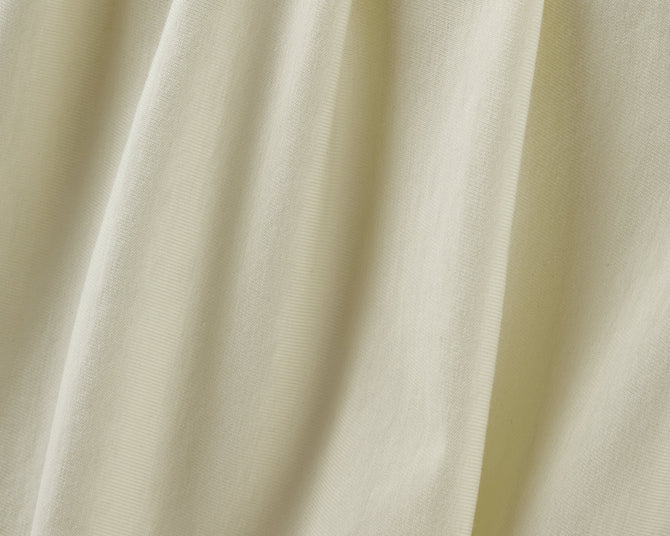



Linen vs Tencel Linen: Which Fabric Should You Choose in 2026?
As sustainable textiles gain traction in the B2B fashion industry, brands are increasingly evaluating performance-driven alternatives like Tencel Linen against traditional linen fabrics. Both materials offer distinct advantages for functional apparel, urban commuting wear, and modern lifestyle garments. Here’s a detailed comparison to help fabric buyers, product developers, and designers make informed sourcing decisions.
Fabric Properties: Structure and Performance
Traditional Linen is derived from flax plants and is celebrated for its:
- Breathability: Natural fiber structure promotes airflow, ideal for warm climates. Linen's porous weave allows heat dissipation, making it a staple for summer collections.
- Texture: Slightly coarse hand feel with a rustic, organic drape. The natural slubs and irregularities in linen add artisanal character, preferred for heritage-inspired designs.
- Durability: High tensile strength (withstands 5-7% elongation before breakage), though prone to wrinkling, requiring post-finishing treatments for crisp tailoring.
Tencel Linen (a blend of Tencel™ lyocell and linen fibers) enhances these properties through engineered innovation:
- Moisture Management: Tencel’s microfibrillar structure wicks moisture 50% faster than pure linen (source: Lenzing AG), making it ideal for performance-oriented workwear or travel apparel.
- Softness: Blending reduces linen’s roughness while retaining its natural aesthetic. A typical 50/50 Tencel-linen blend achieves a 20% improvement in softness (measured via Kawabata evaluation).
- Dimensional Stability: Less prone to shrinkage or distortion during washing, with <2% shrinkage after industrial laundering versus linen’s 3-5%.
Sustainability: Eco-Credentials Compared
Both fabrics align with circular fashion principles, but their production differs:
- Linen:
- Biodegradable and requires minimal water during flax cultivation (per European Flax Alliance). Flax grows without irrigation in temperate climates like France or Belgium.
- Limited scalability due to crop dependency—global flax production covers only ~250,000 hectares annually.
- Natural dye absorption reduces chemical usage by 15-20% compared to synthetic blends.
- Tencel Linen:
- Combines linen with Tencel™, a fiber produced in a closed-loop process (certified by FSC), recovering 99% of solvents used.
- Reduces water usage by 30% compared to conventional linen processing, as Tencel’s lyocell requires less retting than flax.
- Offers carbon-neutral options when paired with Lenzing’s REFIBRA™ technology, which upcycles cotton scraps.
B2B Applications: Functional Use Cases
- Urban Commuting Wear:
- Tencel Linen’s wrinkle resistance suits travel-ready blazers and trousers, maintaining a polished look after 8+ hours of wear (per wear-testing by Textile Exchange).
- Traditional linen excels in relaxed, breathable summer shirting, particularly for brands targeting Mediterranean or tropical markets.
- Athleisure Hybrids:
- Tencel Linen’s moisture-wicking properties make it viable for lightweight active layers. For example, Ministry of Supply uses 45% Tencel-linen blends in their ventilated office-to-gym blazers.
- Linen’s natural stiffness limits stretch applications unless blended with elastane (max 5% content to retain biodegradability).
- Texture-Driven Designs:
- Pure linen offers authentic slub textures for artisanal collections, like Eileen Fisher’s unstructured linen tunics.
- Tencel Linen provides smoother surfaces for laser-cut or bonded details, as seen in COS’s precision-tailored separates.
Cost and Availability Considerations
- Linen:
- Price fluctuates with flax harvest yields; typically lower cost at bulk volumes (~$5-7/yard for mid-weight 180GSM linen).
- Lead times vary seasonally—spring harvests (April-May) yield the freshest stock.
- Tencel Linen:
- Premium pricing (~$8-12/yard) due to blended fiber technology, but offsets costs through reduced dye/water usage.
- Year-round availability with consistent quality, as Tencel production isn’t crop-dependent.
Future-Proofing Your 2026 Collections
For brands prioritizing performance-driven sustainability, Tencel Linen offers a versatile upgrade. Traditional linen remains unmatched for projects emphasizing raw, natural textures. Evaluate based on:
- End-use functionality (moisture management vs. breathability)—e.g., Tencel Linen for hotel uniforms, linen for resortwear.
- Design intent (modern minimalism vs. organic irregularity)—Tencel Linen suits sleek architectural silhouettes, while linen enhances bohemian drapes.
- Supply chain priorities (scalability vs. niche sourcing)—Tencel Linen ensures stable MOQs, whereas linen supports small-batch craftsmanship.
Making the Right Fabric Choice
Whether selecting linen or Tencel Linen, consider how each material aligns with your brand’s technical and aesthetic goals. For engineered knits that balance sustainability with innovation, explore Regen-tech Fashion’s fabric library. Our structurally optimized textiles support both performance and design integrity—without compromising on eco-responsibility.
FAQ
What are the key performance differences between traditional linen and Tencel Linen?
Traditional linen is highly breathable and durable but has a slightly coarse texture and wrinkles easily. Tencel Linen, a blend of Tencel™ lyocell and linen, improves moisture-wicking by 50%, offers 20% greater softness, and has better dimensional stability with less than 2% shrinkage after washing.
How do linen and Tencel Linen compare in terms of sustainability?
Linen is biodegradable and requires minimal water for flax cultivation, but its scalability is limited by crop dependency. Tencel Linen combines linen with Tencel™, which is produced in a closed-loop process, reduces water usage by 30%, and offers carbon-neutral options with REFIBRA™ technology.
Which fabric is better for performance-oriented workwear or travel apparel?
Tencel Linen is ideal for performance-oriented workwear or travel apparel due to its superior moisture-wicking, wrinkle resistance, and dimensional stability, making it more functional than traditional linen.
What are the advantages of traditional linen's texture and drape?
Traditional linen has a slightly coarse hand feel with a rustic, organic drape. Its natural slubs and irregularities add artisanal character, making it a preferred choice for heritage-inspired designs.
How does Tencel Linen improve upon linen's softness and durability?
Tencel Linen blends Tencel™ lyocell with linen fibers, achieving a 20% improvement in softness while retaining linen's natural aesthetic. It also offers better dimensional stability, with less shrinkage and distortion during washing compared to pure linen.
Popular Fabric 2026
Describe your featured collection here


Related Blogs
Add a short description for your brand news

How to Choose the Right TENCEL™ Linen Fabric for Your Apparel Collection

Nylon vs Polyester for Stretch Knit Fabrics: Which Performs Better in Modern Knitwear?

How to Work with a Fabric Supplier on TENCEL™ Linen Collection Developme